
Free
Rome, Italy
Things to do in Rome
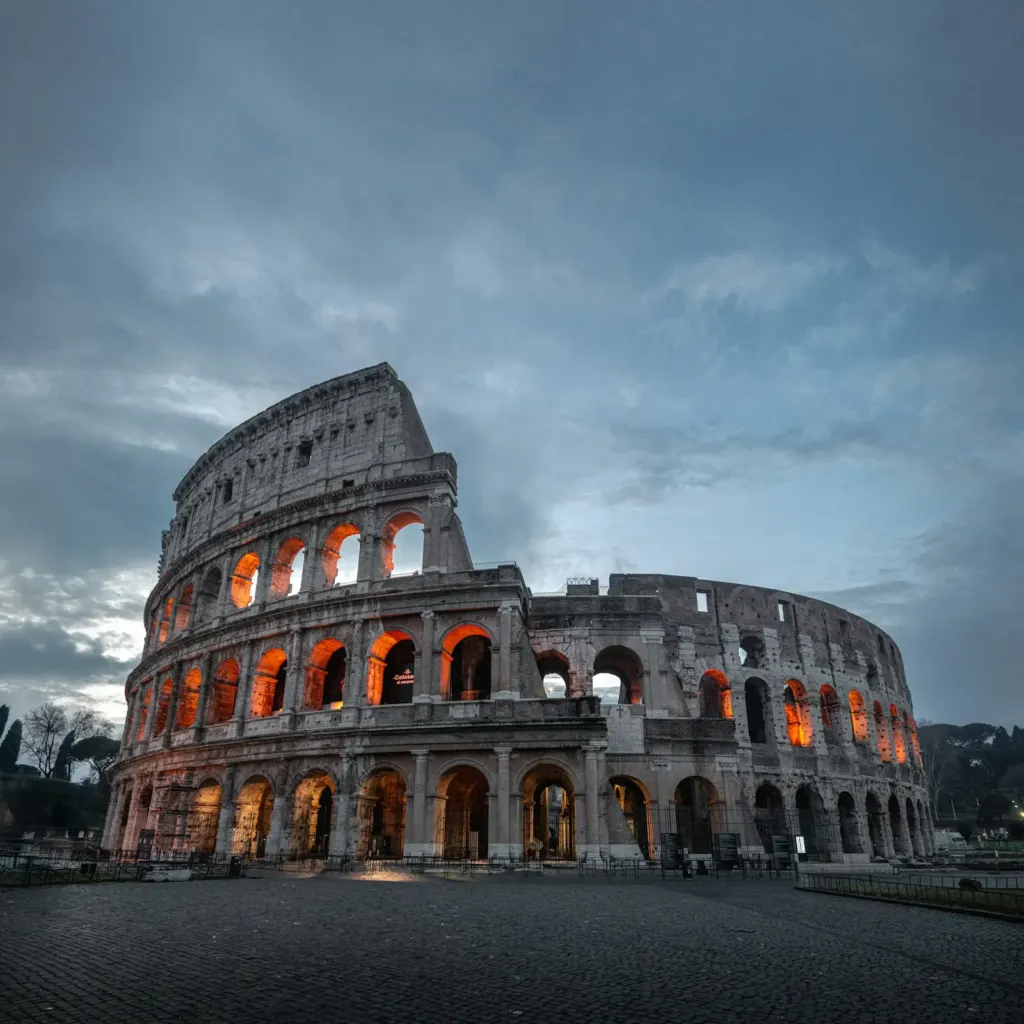
The number one thing to do in Rome is to see ancient Rome: the Colosseum, Roman Forum and Palatine Hill, which share one combined ticket. Close behind come the Vatican Museums with the Sistine Chapel, St Peter’s Basilica, and the walk through the baroque centre (Pantheon, Piazza Navona, Trevi Fountain). Add Trastevere for dinner and you have the core of a first visit.
This guide groups 25 things to do by theme and area instead of a flat list, because in Rome geography decides how much you can fit in. Each entry says what it is, how long to allow and whether to book ahead. If you are short of time, jump to the first-timer shortlist near the end, or follow a ready-made plan: Rome in 1 day, 2 days, 3 days, 4 days or 5 days. Not sure how long you need? See how many days in Rome.
Ancient Rome: the big three and more
1. The Colosseum
The largest amphitheatre of the Roman world and the one sight almost everyone puts first. Allow 1.5 to 2 hours inside. Standard entry is for a scheduled time slot and tickets are issued in the holder’s name, according to the Colosseum’s official site. The Colosseum is also the entrance to a combined ticket that includes the Forum and Palatine, so you can visit all three on one ticket. Extra-access options (arena floor, underground) are separate and need earlier booking. Start with the Colosseum destination guide and the Colosseum tours and tickets page; compare entry options in the Colosseum and ancient Rome category.
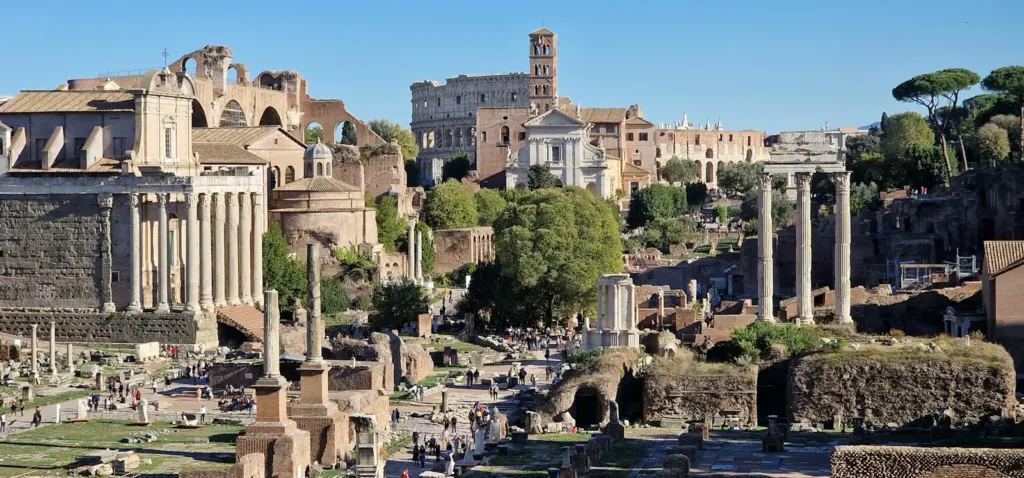
2. Roman Forum
The civic centre of the ancient city: temples, arches, the Senate house and the Via Sacra. It is a field of ruins with little signage, so a guide or good audio guide helps. Allow 1.5 hours. See the Roman Forum and Palatine Hill guide, or take the Roman Forum and Palatine Hill guided walk (from EUR 49).
3. Palatine Hill
The hill where, in legend and in history, Rome began, later covered with imperial palaces. It has the best views over the Forum and Circus Maximus, and it is quieter than either. Allow 1 hour. It is included in the Colosseum combined ticket.
4. Capitoline Museums and Piazza del Campidoglio
Michelangelo designed the square, and the museums above the Forum hold ancient bronzes and sculptures. The terrace view over the Forum is one of the better photo spots in the city. Allow 1.5 hours. Check the museum’s official site for hours and prices.
5. Appian Way and the Catacombs
The old road south of the city, lined with tombs and pines, and the early Christian burial galleries beneath it. Catacomb visits are guided only and underground, so book ahead and bring a layer. Rent a bike or take an e-bike tour on a quiet day. See the Appian Way and catacombs guide, catacombs tours, the catacombs underground tour (from EUR 45) and the Appian Way e-bike tour (from EUR 69).
Vatican and the Tiber bend
6. Vatican Museums and the Sistine Chapel
One ticket covers both. The museums are among the largest in the world, and the route ends in the Sistine Chapel, so you cannot dodge the crowds in the final rooms. According to the official hours page, the museums are open Monday to Saturday and closed on Sundays except the free last Sunday of the month, which is extremely crowded; a few fixed holidays are also closed. Allow 3 hours. Book the earliest slot you can: see Vatican Museums tickets and tours, the Vatican early access tour (from EUR 85) and our guide on avoiding the Vatican crowds.
7. St Peter’s Basilica
A separate site from the museums, free to enter, with a dress code (covered shoulders and knees) and a security queue. Michelangelo’s dome can be climbed for an extra fee. Allow 1 to 1.5 hours; mornings are busiest. More in the Vatican City guide.
8. Castel Sant’Angelo
Hadrian’s mausoleum turned papal fortress, with roof terrace views along the Tiber to St Peter’s. It pairs naturally with the Vatican. Allow 1.5 to 2 hours. See the Castel Sant’Angelo guide and tickets.
The walkable baroque centre
9. The Pantheon
Nearly 2,000 years old and still roofed by the original concrete dome with its open oculus. It is a working church, so entry rules and fees can change; check current details before you go. Allow 30 to 45 minutes. See the Pantheon and Piazza Navona guide.
10. Piazza Navona
An oval baroque square on the outline of an ancient stadium, with Bernini’s Fountain of the Four Rivers. Best late in the day. Skip the over-priced cafes on the square itself and drink on a side street.
11. Trevi Fountain
The most famous fountain in Rome, tucked between narrow streets. It is crowded all day, so go early morning or late at night for the best view. Rules about access to the basin area can change, so check current local signs.
12. Spanish Steps and Via Condotti
The steps lead up to Trinità dei Monti and have good light at sunset. The surrounding streets are Rome’s luxury shopping area. See the Trevi Fountain and Spanish Steps guide.
13. Borghese Gallery and Villa Borghese
A small, outstanding collection of Bernini sculptures and Caravaggio paintings in a villa set in the city’s main park. Entry is only by reserved timed slot, so book well ahead. Allow 2 hours for the gallery and more for the park. See the Borghese guide, Borghese Gallery tickets and the guided tour (from EUR 69).
Neighbourhoods and food
14. Trastevere
Cobbled lanes, ivy-covered houses, trattorias and bars across the river. Best in the evening. It is the standard answer for “what to do in Rome at night”, and busy on warm evenings. See the Trastevere guide, the Trastevere food tour hub, the Trastevere Food Crawl (from EUR 79) or an aperitivo walk (from EUR 55).
15. Jewish Ghetto
One of Europe’s oldest Jewish quarters, with Roman ruins, the Portico d’Ottavia and the Roman-Jewish cooking, especially fried artichokes. Allow 2 to 3 hours with a meal. See the Jewish Ghetto guide and the history and food walk (from EUR 45).
16. Testaccio
The working-class district that gave Rome some of its best-known dishes, with a daily food market. Come hungry. See the Testaccio guide and the market tasting (from EUR 69).
17. Monti
The bohemian district near the Colosseum, with independent shops and a relaxed lunch scene. It makes the best bridge between ancient Rome and the centre, and it is a good lunch stop on most itineraries.
18. A cooking class
A hands-on way to learn carbonara, cacio e pepe or tiramisu. Allow 3 to 4 hours, and it usually ends with the meal. See cooking classes and the pasta and tiramisu class (from EUR 75). Browse the best food tours for tastings.
Rome at night
19. The centre after dark
Many of Rome’s best views appear after sunset: lit fountains, quieter piazzas and the Colosseum illuminated. A guided night walk gives context and route; see the Rome by Night walking tour (from EUR 39), best night tours and Rome at night.
20. Tiber sunset cruise
A one-hour float past bridges and domes at golden hour. See the Tiber river sunset cruise (from EUR 29).
21. Gianicolo and the rooftop views
The Janiculum Hill has a classic panorama over the centre and is easy to reach on a Vespa. See the Vespa sunset ride to the Gianicolo (from EUR 110) or the Vespa tours. For couples, see romantic tours.
Free things to do in Rome
Rome is generous with free sights if you accept crowds: the Trevi Fountain, Spanish Steps, Piazza Navona, St Peter’s Square and Basilica (security queue), the exterior of the Colosseum, and many churches with major art. The Pantheon has changed its entry arrangements in recent years, so check current details. Several state museums run free-entry days; confirm the dates on the official sites. For more, see our budget Rome guide.
Day trips from Rome
22. Ostia Antica
Rome’s ancient port town, well preserved and uncrowded. Easy by public transport; a half day is plenty. See the Ostia Antica guide and guided visit (from EUR 59).
23. Tivoli
Hadrian’s Villa and the Renaissance fountains of Villa d’Este, about an hour out. See Tivoli.
24. Pompeii and Orvieto
Pompeii is about two hours or more each way from Rome by train via Naples, so a day trip is long. See Pompeii day trip from Rome and the Pompeii guide. Orvieto, a hilltop city with a Gothic cathedral, is shorter: see Orvieto.
25. Florence or Amalfi (only if you must)
Both are possible in a day but exhausting. Florence by high-speed train is the more realistic; the Amalfi Coast takes about 12 to 14 hours. See Florence and Amalfi Coast day trip. More options in the day trips category and our Rome day trips guide.
First-timer shortlist
| Priority | Sight | Time | Book ahead? |
|---|---|---|---|
| Must | Colosseum, Forum, Palatine | Half day | Yes, timed slot |
| Must | Vatican Museums and Sistine Chapel | 3 hours | Yes |
| Must | Pantheon, Navona, Trevi | Half day on foot | No (check Pantheon rules) |
| High | St Peter’s Basilica | 1 hour | No, security queue |
| High | Borghese Gallery | 2 hours | Yes, essential |
| High | Trastevere evening | Evening | Dinner reservation |
| Optional | Catacombs or Appian Way | 2 to 4 hours | Yes, guided only |
| Optional | Day trip | Full day | Yes |
Group the sights by area
Rome is bigger than it looks on a map, and the heat, cobbles and crowds slow you down. Plan by cluster, not by “top ten” rank.
| Cluster | What is in it | Walk between stops | Best time |
|---|---|---|---|
| Ancient Rome | Colosseum, Forum, Palatine, Capitoline, Monti | 5 to 15 minutes | First slot of the day |
| Baroque centre | Pantheon, Navona, Trevi, Spanish Steps | 10 to 20 minutes | Late afternoon and evening |
| Vatican and the river | Vatican Museums, St Peter’s, Castel Sant’Angelo | 10 to 20 minutes | Morning |
| Park and gallery | Borghese Gallery, Villa Borghese, Spanish Steps | 10 to 25 minutes | Morning slot, then stroll |
| Across the river | Trastevere, Gianicolo | 10 minutes within the area | Evening |
| South Rome | Testaccio, Aventine, Appian Way, catacombs | Needs bus, taxi or bike | Morning and lunch |
Everything in the first two rows can be done without public transport. The Vatican row is a separate trip from the centre, and the south needs a ride. Put one cluster on each half-day and you will not spend your holiday in taxis.
Quieter alternatives to the crowded sights
Rome has an easy fallback when a headline sight feels too busy: choose the lesser-known neighbour.
- Instead of queuing at the Colosseum interior only, spend more time on the Palatine Hill, which is quieter and has the best views over the Forum and Circus Maximus.
- Instead of the Trevi Fountain at noon, go at night or at opening time. The same square looks very different at 7am or after 10pm.
- Instead of the Vatican Museums only, add Castel Sant’Angelo, which has a fraction of the visitors and a good terrace. See tickets.
- Instead of the Forum only, try Ostia Antica, a whole ancient town with fewer people. See the Ostia Antica guide.
- Instead of Piazza Navona dinner, eat in Testaccio or the Jewish Ghetto, where prices and menus are more local.
- Instead of the Spanish Steps at sunset, try the Gianicolo or the Aventine keyhole for views with space to breathe.
For more unusual ideas, from rooftop views to unexpected neighbourhoods, see unique tours in Rome and the photography walk at golden hour (from EUR 65).
Things to do in Rome by season
Spring and autumn
The best months for all-day walking. Expect crowds at the big sights, especially around Easter, so book the timed attractions early. Evenings are pleasant for outdoor dining and a river cruise.
Summer
Hot, bright and busy. Start at opening time for outdoor sights such as the Forum and Palatine, rest between about noon and 4pm, and save the baroque centre and Trastevere for the evening. Carry water and refill at the free drinking fountains (the “nasoni”). Sunset experiences like the Tiber sunset cruise are ideal now.
Winter
Quieter, with shorter days and some weather. It is a good time for museums, the Borghese Gallery and the Vatican, though hours can be shorter. Evenings are cold, so a long Roman dinner indoors is the right answer.
Rainy day and indoor options
Rome copes with rain well. Choose from the Vatican Museums, the Capitoline Museums, the Borghese Gallery, Castel Sant’Angelo, the catacombs (underground, so the weather does not matter), a cooking class, or a food tour that moves between covered markets and cafes. For a family day indoors, see our family itinerary and the family tours category.
Things to do in Rome with kids
Children tend to enjoy the Colosseum’s scale, the Pantheon’s hole in the roof, coins at the Trevi Fountain, gelato, and any activity that moves. A treasure hunt in the Forum area turns ruins into a game: see the family treasure hunt in ancient Rome (from EUR 55), or a golf cart tour of the highlights (from EUR 59) for tired legs. More choices are on the family tours in Rome page.
Overrated or optional
- Dome climbs and extra-access tickets are great for some, but queues and stairs can eat an hour. Skip them if you are short on time.
- Restaurants with picture menus beside the big monuments are rarely good value. Walk two streets away.
- Hop-on hop-off buses can be useful for tired travellers or first orientation, but Rome’s traffic makes them slow. See hop-on hop-off bus Rome and judge by your own needs.
- Cramming three major museums into one day leads to blur. Spread them out.
Practical basics
Dress code
Churches, including St Peter’s, expect covered shoulders and knees. A light scarf or shirt in your bag solves it. Check each site’s rules as enforcement varies.
Getting around
The metro is limited, so expect to walk, and use buses, trams or taxis for longer hops. Taxis are metered and found at ranks. Check current fares and ticket types on the official ATAC site.
Money and safety
Pickpockets work crowded places: the metro, buses, queues and fountains. Keep valuables in a front pocket or a zipped bag, and ignore rose sellers, bracelet handouts and unofficial ticket touts. Book through an official site or a trusted seller; the complete guide to Rome tours explains the common traps.
Eating
Meals tend to start late: lunch from about 12:30 and dinner from about 7:30pm or later, with some kitchens closing between services. Try the Roman classics (carbonara, cacio e pepe, amatriciana, supplì, artichokes) in neighbourhood trattorias, and treat coffee at the bar counter as a quick, cheap stop. For deeper food plans, see food lovers’ Rome.
Sample combinations if you only have a day or two
- One day: Colosseum, Forum and Palatine in the morning; Pantheon, Navona and Trevi in the afternoon; dinner in Monti. See Rome in 1 day.
- Two days: day one as above; day two Vatican Museums, St Peter’s, Castel Sant’Angelo and dinner in Trastevere. See Rome in 2 days.
- Three to five days: add the Borghese Gallery, a day trip, and the south of Rome. See 3 days, 4 days and 5 days.
How to pace Rome
Two big sights a day is a comfortable maximum; three is exhausting in warm months. Pair sights that are geographically close, and keep the Vatican, Colosseum and Borghese on separate mornings. Rome’s metro is limited, so most visitors walk, and the centre’s lanes are cobbled, so wear proper shoes. Siesta hours exist: plan a long lunch in the middle of the day. Check opening days, as many state museums are closed on Mondays.
The calmest times are first thing in the morning and the last hour before closing. Summer heat is real, and August is quieter in local neighbourhoods as some restaurants close.
How to book without overpaying
Book the timed sights first: Colosseum, Vatican Museums, Borghese, and any catacomb visit. Choose a guide at the large, confusing sites and go independent elsewhere. See our complete guide to Rome tours for the full system, best tours in Rome for our shortlist and all tours for the full catalogue. Families should look at Rome with kids, and food-focused travellers at food lovers’ Rome.
Check current details: ticket prices, opening hours, Monday and holiday closures, and the Pantheon’s entry rules change, so confirm them on the official site of each attraction before you go.
More guides like this
5 daysFree
Rome in 5 days
Best for First timers4 daysFree
Rome in 4 days
Best for First timers2 daysFree
Rome in 2 days
Best for First timersFrequently asked questions
What is the number one thing to do in Rome?
Most visitors put the Colosseum first, followed by the Roman Forum and Palatine Hill on the same combined ticket. For a first visit, ancient Rome in the morning and the Vatican on a separate day is the standard core.
What are the must-see sights in Rome?
The Colosseum, Roman Forum and Palatine, Vatican Museums with the Sistine Chapel, St Peter's Basilica, the Pantheon, Piazza Navona, the Trevi Fountain, and the Borghese Gallery if you like art. Add Trastevere for dinner.
How many days do you need in Rome?
Three days covers the main sights without rushing; two is workable if you are selective; four or five lets you add the Borghese Gallery, neighbourhoods and a day trip. See our itineraries for each length.
What can you do in Rome for free?
Walk the piazzas and fountains, enter St Peter's Basilica (after the security queue), see the Colosseum from outside, and visit churches with major artworks. Some museums have free days, so check the official sites for the dates.
What is there to do in Rome at night?
Dine in Trastevere or Monti, walk the lit centre, take a river sunset cruise, join a night walking tour, or watch the sunset from the Gianicolo. Many monuments look their best after dark.
What are the best day trips from Rome?
Ostia Antica and Tivoli are the easiest, Orvieto is a pleasant hill town, and Pompeii is the most rewarding but long. Florence and the Amalfi Coast are possible in a day but rushed.
Do I need to book tickets in advance in Rome?
Yes for the Colosseum, Vatican Museums, Borghese Gallery and catacombs. Not for the Pantheon, fountains or most churches. Booking early gives you the best time slots, especially in spring and summer.
Keep exploring Rome
Related tours, guides and places.
- Tours and ticketsHalf-day tours in Rome
A half-day tour in Rome runs up to about four hours, enough for one major site or one…
- Tours and ticketsBest Tours in Rome
The best tour in Rome depends on what you want from it, but for most first-time visitors a…
- Tours and ticketsRome tours under €50
Eight of our listed Rome tours start at €50 or less, from a river cruise to the Vatican…
- DestinationColosseum
The Colosseum was begun by Emperor Vespasian around AD 70-72 and opened by his son Titus in AD…
- DestinationVatican City
Vatican City is an independent state inside Rome, home to St Peter's Basilica and Square and the Vatican…
- DestinationBorghese Gallery & Villa Borghese
The Galleria Borghese holds Bernini, Caravaggio and Canova masterpieces in a villa in Rome's Villa Borghese park. Here…