The best food tour in Rome is the one in the neighbourhood that matches your appetite: Trastevere for evening classics, Testaccio for market and tradition, the Ghetto for history with your tastings.
Some booking links are affiliate links. If you book through them we may earn a commission at no extra cost to you, and it never changes our ranking. Read the disclosure.
Why we picked it: A 3.5-hour evening walk with five or six tasting stops in Trastevere, covering Roman classics such as supplì, carbonara and porchetta. Food, wine, water and a local guide are included, with up to 10 guests. Free cancellation applies up to 24 hours before.
Best for: Couples, solo travellers and food lovers who want dinner covered by tastings.
Why we picked it: A 3-hour late-morning visit to Testaccio Market and the surrounding neighbourhood, built around tastings and classic Roman pasta. Guide and tastings are included, with a maximum of 10 guests and a minimum age of 10. Free cancellation applies up to 24 hours before.
Best for: Food lovers and history fans who want to eat their way through one local market.
Tastings and guide included
Small group, max 10
Free cancellation up to 24 hours before
Minimum age 10, so suitable for some older children
Drinks not included
Best on an empty stomach, as tastings can add up to a large meal
Why we picked it: A 3-hour late-morning walk through the Jewish Ghetto, starting at Portico d'Ottavia, mixing the district's history with Roman-Jewish cooking tastings. Guide and tastings are included, for up to 12 guests aged 8 and over. Free cancellation applies up to 24 hours before.
Best for: Food lovers and history fans who want context and tastings in one walk.
Why we picked it: A 2.5-hour early-evening walk through Trastevere backstreets and small bars, built around the aperitivo tradition. Drinks, snacks and a guide are included, and groups are capped at 10. Free cancellation applies up to 24 hours before.
Best for: Couples and solo travellers who want an easy, social first evening in Rome.
Why we picked it: A 3.5-hour hands-on class in Testaccio where you make fettuccine, ravioli and tiramisu, then eat the meal with wine. Ingredients, a local chef and recipes to take home are included, for up to 12 guests aged 8 and over. Free cancellation applies up to 48 hours before.
Best for: Couples, families and food lovers who want to learn a skill, not just taste.
Why we picked it: A 2-hour evening tasting of five wines from Lazio and beyond, with a cheese and cured meats platter, led by a sommelier in Testaccio. Groups are capped at 12 and the minimum age is 18. Free cancellation applies up to 24 hours before.
Best for: Couples and food lovers who want a relaxed evening in one place.
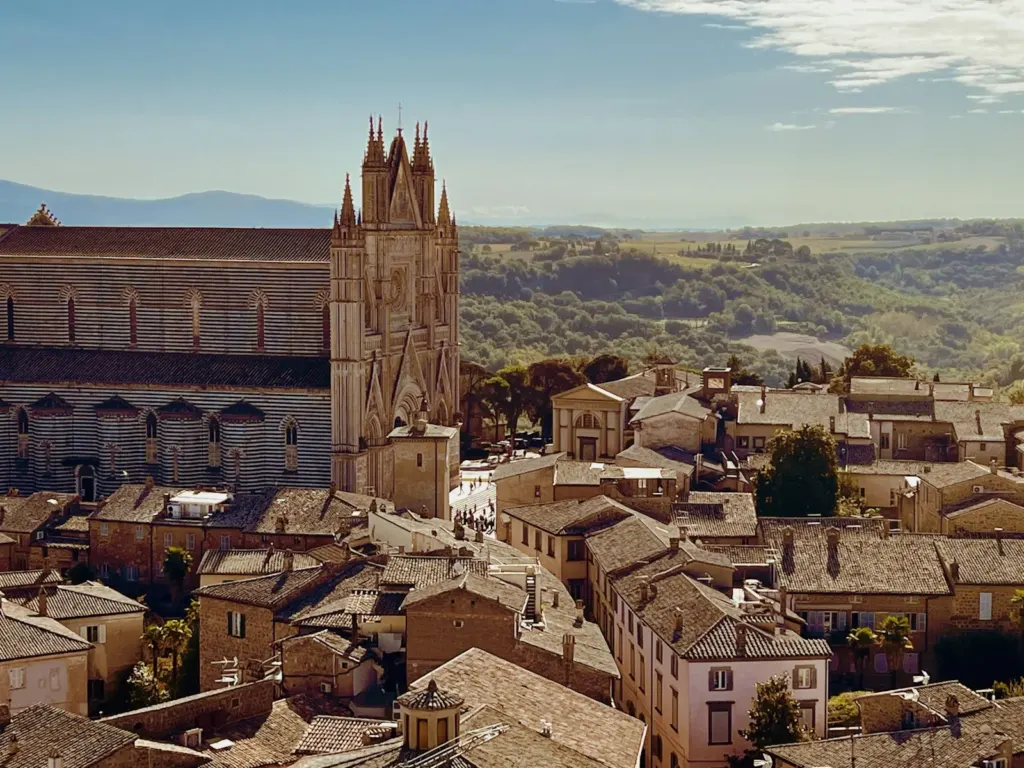
Why we picked it: A 10-hour day trip from Rome to Orvieto by train, with a guide, a wine tasting and underground caves among the listed highlights. Train tickets are included and the group is capped at 16. Free cancellation applies up to 48 hours before.
Best for: Couples and food lovers who want a day out of the city without driving.
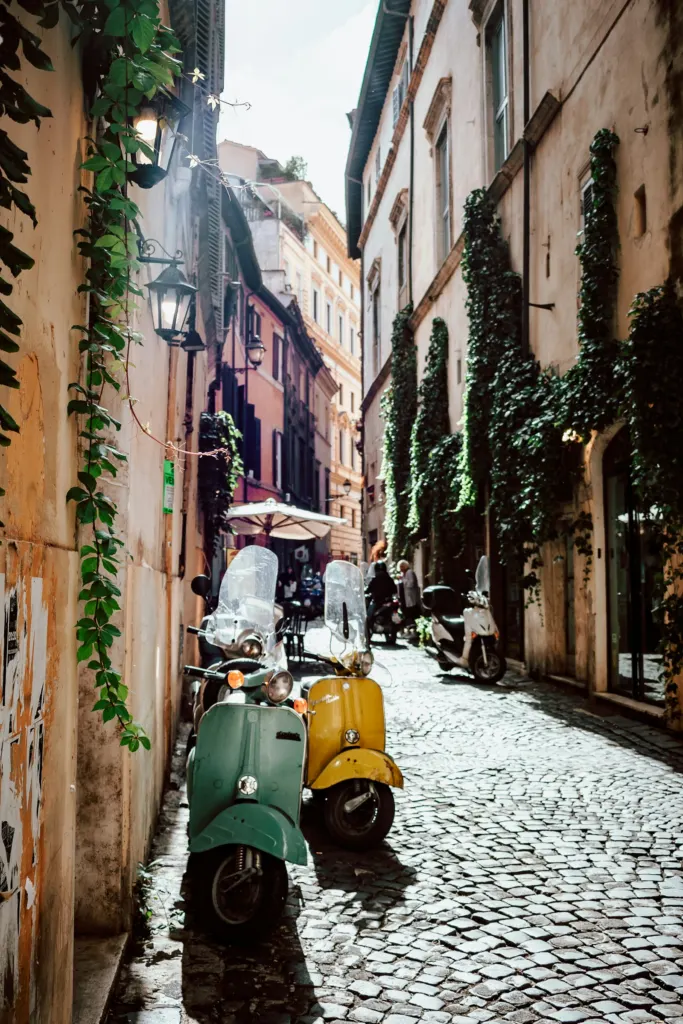
Why we picked it: A 2.5-hour morning scooter outing around Monti with espresso stops, limited to 6 people. Scooter, helmet, espresso and a guide are included, and hotel pickup is listed. Free cancellation applies up to 48 hours before. Riders must be 18 or over.
Best for: Couples and solo travellers who want a short, social way to see one neighbourhood.
Food tour, cooking class or wine tasting: how they differ
Option
Best for
Typical price
Time
Verdict
Evening food crawl
Broad intro to Roman classics
See tour cards for live prices
3 to 3.5 hours
Best all-round choice for first visits
Market and specialities tasting
Traditional dishes and producers
See tour cards for live prices
About 3 hours
Best for ingredients and neighbourhood history
Food and history walk
Context plus tastings
See tour cards for live prices
About 3 hours
Best for history-minded eaters
Cooking class
Hands-on pasta and dessert
See tour cards for live prices
About 3.5 hours
Best for a skill to keep
Seated wine tasting
Relaxed evening for couples
See tour cards for live prices
About 2 hours
Best low-effort evening
The best food tours in Rome pair a walkable neighbourhood with a guide who explains why Romans eat what they eat. For most visitors we rank an evening Trastevere food crawl first: it is a small group of up to ten, with five or six tasting stops, Roman classics and wine included, which gives the broadest introduction to the city’s cooking in a single sitting. Testaccio and the Jewish Ghetto follow, for different reasons.
Trastevere ranks first because the format answers the question most people arrive with: what should I actually eat here? A food crawl across several stops, with the guide choosing the dishes, beats trying to decode a menu alone. Testaccio comes next for a more market-and-tradition angle, with the Ghetto offering the strongest history.
What this list covers, and what it does not
This ranking covers food and drink experiences in our current catalogue. It is not a review of every food tour in Rome, and other well-known operators exist that we do not list. Our order comes from the published criteria on How we rank: group size, number and type of tastings, length, how much is included and how flexible the cancellation terms are. The cards show the order and the pros and cons for each, so here we focus on how to choose.
Trastevere, Testaccio or the Jewish Ghetto?
The neighbourhood decides the experience more than the operator does.
Trastevere
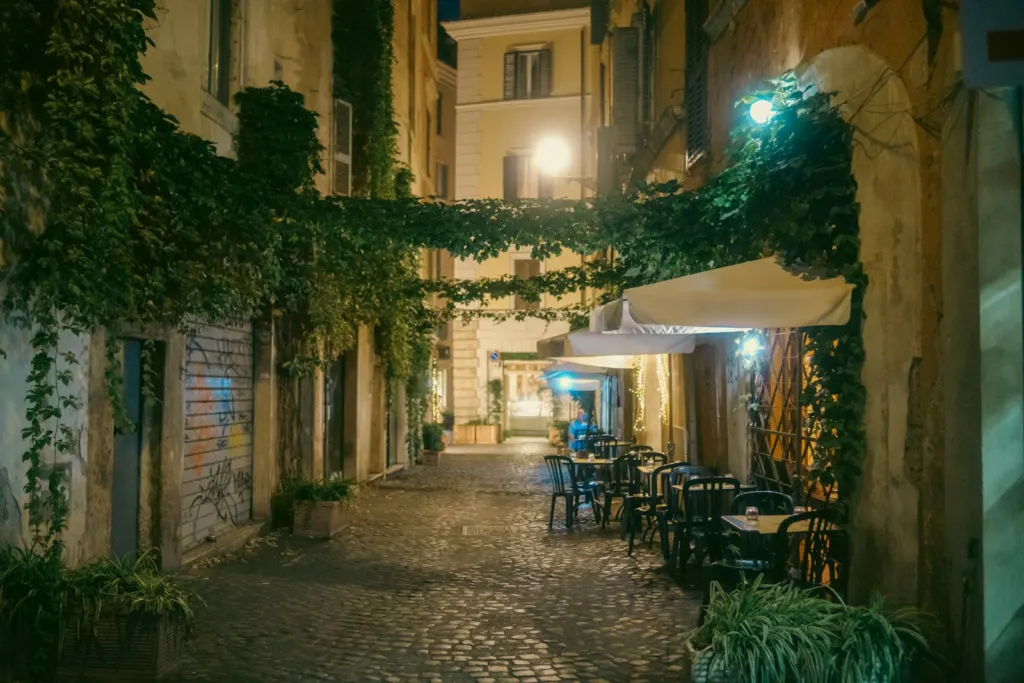
Across the Tiber from the historic centre, Trastevere is the classic evening food neighbourhood: lanes, trattorie and small bars. A food crawl here suits a first visit, especially after a day of sightseeing. Our dedicated Trastevere food tour page covers the area in more detail, and the aperitivo walk is the lighter option when you want drinks and snacks rather than a full tasting menu.
Testaccio
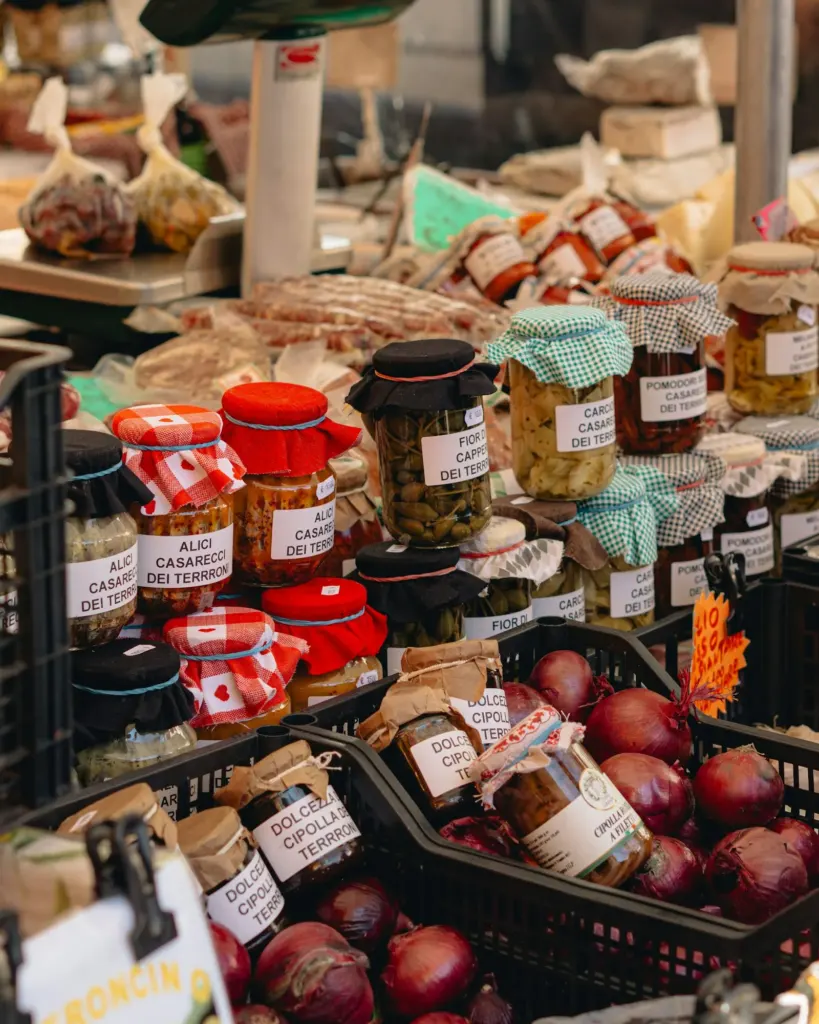
Testaccio is the neighbourhood associated with traditional Roman cooking, including offal-based dishes in the old working-class kitchen tradition. A late-morning market and specialities tasting suits people who want to meet producers and see ingredients first. Read more in our Testaccio guide.
The Jewish Ghetto
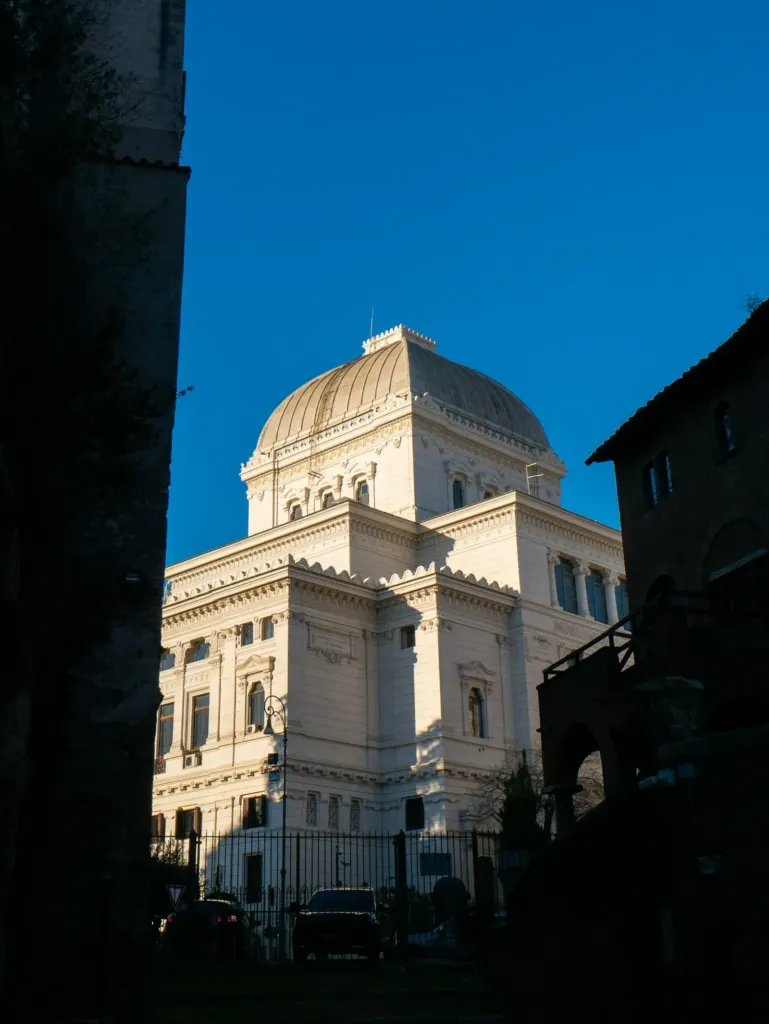
The Ghetto near Portico d’Ottavia combines the history of Rome’s Jewish community with Roman-Jewish cooking. It suits travellers who want context with their tastings. Our food lover’s guide to Rome places all three areas on the map, and eating like a Roman explains the rhythm of the day.
How to choose a food tour
Check the tasting count and what is included. A tour that lists five or six stops, food and wine is closer to a meal than a snack walk.
Look at the group cap. Our food listings cap groups at ten to twelve, which keeps tables manageable and conversation possible.
Match the time of day. Late-morning tours suit markets; evening tours suit bars and sit-down stops.
Read the minimum age. Some walks are adults-only because they include alcohol; others accept children from eight or ten.
Tell the operator about dietary needs early. Roman cooking leans on cured meats, cheese, offal and pasta, so vegetarian, gluten-free and allergy requests should be raised at booking, not on the day.
Food tour, cooking class or wine tasting?
Format
You get
Best for
Trade-off
Food walk
Several tastings across a neighbourhood
First-time visitors and solo travellers
Standing and walking; dishes are chosen for you
Cooking class
Hands-on pasta and dessert, then a meal
People who want a skill to take home
Fewer places and less sightseeing
Wine tasting
Seated tasting with cheese and cured meats
Couples and a relaxed evening
Less variety of dishes
Wine day trip
A countryside town, tasting and travel
Slow travellers with a free day
Takes most of a day
For classes, see our Rome cooking classes page. The cards above include both a hands-on class and a seated wine evening for comparison.
Do food tours replace dinner?
Often they do. A tour with five or six tasting stops and wine included is usually a full evening meal in small portions, so plan a light lunch and skip a separate dinner reservation unless you have a big appetite. A shorter aperitivo walk is closer to a pre-dinner snack and works as an opener before a restaurant meal. Always check the tour page to see how much food is listed.
Vegetarian and dietary notes
Roman cooking is meat-heavy in its classic form, but vegetables, cheese, pasta and pizza make vegetarian tastings feasible. Ask the operator before you book whether the stops can be adapted. Gluten-free and allergy needs are harder to guarantee across several shared kitchens, so treat a confirmed written reply as essential.
What Roman food actually is
A good food tour is easier to appreciate if you know what you are tasting. Roman cooking is simple, seasonal and built on a few ingredients done well: pasta dishes such as carbonara and cacio e pepe, fried snacks such as supplì, roasted pork such as porchetta, artichokes in season and a tradition of cheaper cuts cooked slowly. Much of what visitors think of as Italian food is regional, so the best tours explain the Roman versions and where they come from. Pizza in Rome also has its own styles, from thin and crisp to thicker and sold by weight, and a guide will often explain the differences as you go. Our guides on where and what to eat in Rome and eating like a Roman give a longer introduction.
Cooking class versus food tour
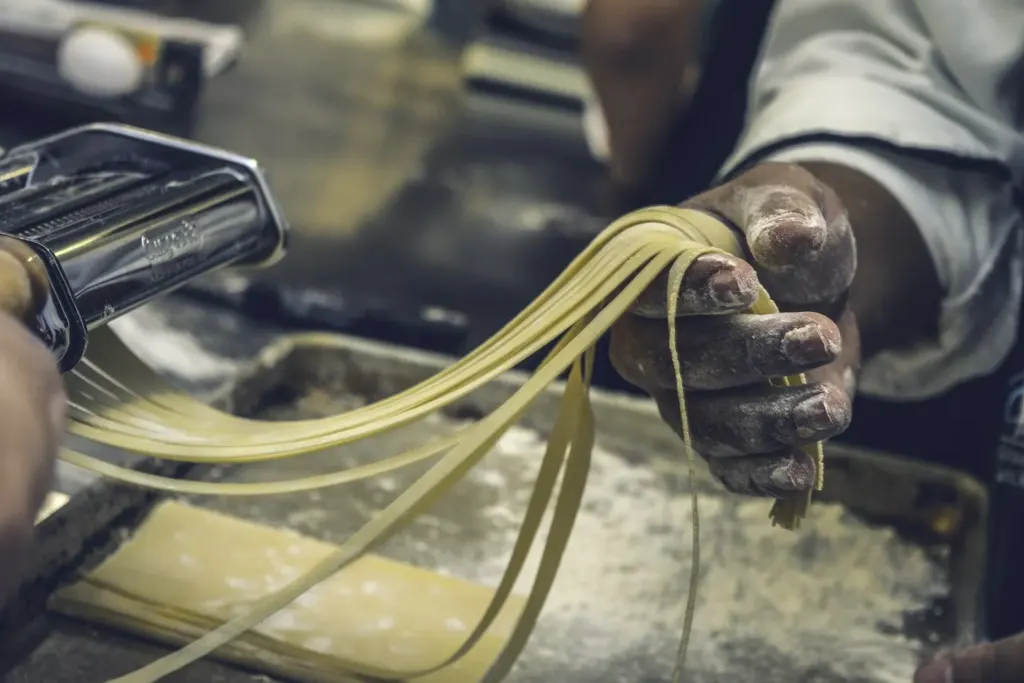
A food tour is about tasting and context; a cooking class is about making. On a tour you cover several stops and a neighbourhood, and you are on your feet. In a class you stay in one kitchen, make fresh pasta and a dessert such as tiramisu with a local chef and then eat what you made with wine. The class is the better choice for people who want a skill and recipes to take home, and who prefer sitting down. The tour is better if you want to see a district and sample a wider range of dishes. Many visitors do one of each on a longer stay. If you are weighing a class seriously, our Rome cooking classes page has the detail.
Morning, afternoon or evening?
Late morning: markets are at their liveliest, food is fresh and you have the afternoon free. Good for Testaccio-style tastings.
Early evening: aperitivo hour, with drinks and small snacks, is a Roman habit. An aperitivo walk fits here and leaves room for dinner.
Evening: the fullest tastings usually run in the evening, with wine, and effectively replace dinner.
Market days and hours vary by neighbourhood and season, so check the schedule on the tour page rather than assuming a market is open every day.
Questions to ask before you book
How many stops, and is each a sit-down or a stand-up taste?
Are drinks included, and which?
What is the group cap, and is it a shared table?
Can the menu be adapted for vegetarian, pescatarian or allergy needs?
Where does the tour end, and is it near transport or a good place for dinner?
Choosing for your kind of trip
Solo travellers often enjoy a food crawl because the table is shared and conversation is built in. Couples tend to prefer a seated wine evening or an aperitivo walk. Families with children should check minimum ages: our food walks accept children from eight or ten on some listings, while the wine and aperitivo formats are for adults only. History fans will get more from the Ghetto walk, which pairs a neighbourhood story with its food. If you want a wider day out, a wine tasting day trip to a hill town is the slowest-paced option and takes most of a day. Compare all of these with the rest of our catalogue on the best tours in Rome page.
When to book and what to expect
Evening food walks and weekend slots fill first. Book once your dates are fixed.
Wear comfortable shoes: even a food tour involves a couple of hours on foot over cobbles.
Arrive hungry, and arrive at the meeting point a few minutes early.
Free cancellation windows on our food listings run from 24 to 48 hours; check your confirmation for the exact terms.
Check current details: menus, stops and market days change. Confirm the schedule on the tour page, as some food markets do not run every day.
Mistakes to avoid
Booking a dinner reservation straight after a long tasting walk.
Not mentioning allergies until the day.
Assuming every food tour includes alcohol: check the inclusions.
Treating a food tour as a sightseeing tour. The best ones are food first, with stories in between. If you want landmarks as well, pair it with one of our walking tours or the wider list of best tours in Rome.
Frequently asked questions
What is the best food tour in Rome?
For most visitors, an evening Trastevere food crawl with several tasting stops. If you prefer markets and traditional cooking, choose Testaccio. If you want history alongside the food, choose the Jewish Ghetto walk.
Are Rome food tours worth it?
Yes, if you want a guided introduction to Roman dishes and neighbourhoods without researching restaurants. They are less useful if you have already planned your meals or follow a very restrictive diet.
How long is a food tour in Rome?
Most last between two and three and a half hours. Market and walking tastings are usually around three hours, while seated wine tastings are shorter at around two.
Which neighbourhood is best for a food tour, Trastevere or Testaccio?
Trastevere suits first visits and evenings, with a lively atmosphere. Testaccio suits market visits and traditional Roman dishes. Both work well; pick by time of day and whether you prefer bars or markets.
Do food tours replace dinner?
A tour with five or six tasting stops and wine is often a full meal in small portions. Shorter aperitivo walks are lighter and work better as a pre-dinner activity.
Are there vegetarian-friendly food tours in Rome?
Many operators can adapt stops for vegetarians if you ask in advance. Gluten-free and allergy requests are harder to guarantee, so get written confirmation before booking.
Are these all of the food tours in Rome?
No. The list covers food and drink experiences in our current catalogue only, ranked by our published criteria.