
Free
Testaccio, Italy
Where to Eat in Rome: A Food Lover's Guide
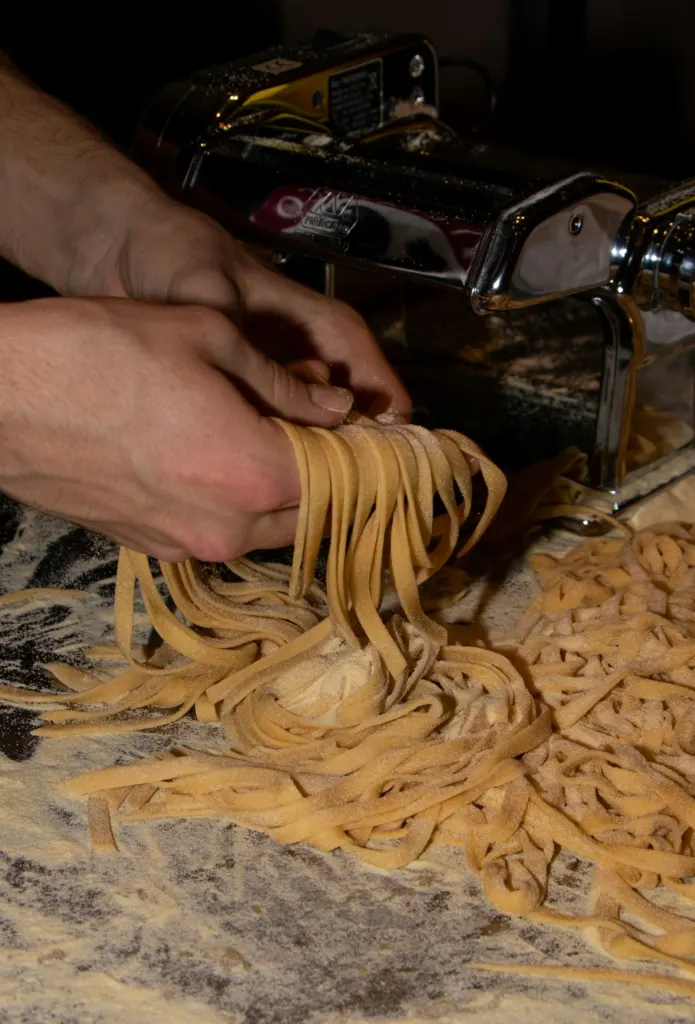
To eat well in Rome, head to the residential neighbourhoods: Testaccio for the market and the old-school Roman cooking, Trastevere for evening atmosphere, Monti for relaxed lunches, and the Jewish Ghetto for Roman-Jewish dishes. Stay away from menus with photos and multilingual touts around the big monuments, book dinner a day or two ahead, and eat lunch as a main meal.
Roman cooking is simple, seasonal and generous. The four classic pastas are carbonara, amatriciana, gricia and cacio e pepe, each built from a handful of ingredients. This guide is about where to go and how to choose; for a dish-by-dish glossary, read a beginner’s guide to eating like a Roman.
Which Rome neighbourhood has the best food?
There is no single winner, because each area does something different. Pick based on what you want from the meal.
| Area | Known for | Best for | Watch out for |
|---|---|---|---|
| Testaccio | Market, offal tradition, old trattorie | Serious Roman cooking | Fewer sights nearby, so go with a plan |
| Trastevere | Lively evenings, aperitivo, pizzerias | Atmosphere and dinner | Tourist-trap menus on the main lanes |
| Monti | Relaxed lunches, wine bars | A meal after the Colosseum | Prices rise closest to the monuments |
| Jewish Ghetto | Roman-Jewish dishes, bakeries | Fried artichokes, history with lunch | Some places close on Fridays evening and Saturdays |
| Prati | Everyday restaurants near the Vatican | A meal after the museums | Avoid the streets right beside the basilica |
Testaccio: where Romans eat
Testaccio is built around the old slaughterhouse district, and its cooking grew from the quinto quarto, the “fifth quarter” of the animal, which gave Rome dishes such as coda alla vaccinara (oxtail stew) and trippa. Come for the covered market, trattorie and pizza by the slice. Our Testaccio neighbourhood page covers the area, and the Testaccio Market and Roman Specialities Tasting (from EUR 69) is a guided way to try the market stalls, which are usually open in the morning and early afternoon, not in the evening.
Trastevere: for evenings and aperitivo
Trastevere is atmospheric after dark, with ivy-covered streets, small piazzas and plenty of places to eat. It is also where many tourist-trap menus cluster. Stay off the main lanes: walk a few streets back and look at who is eating. The Trastevere page has a neighbourhood overview. For a first evening, the Trastevere Food Crawl (from EUR 79) visits several stops in one go, and the Trastevere Aperitivo and Backstreets Walk (from EUR 55) suits a lighter evening. If you want to compare formats, our Trastevere food tour guide and the best food tours in Rome page explain the differences.
Monti and the centre: simple lunches
Monti sits between the Colosseum and Termini, and it is a pleasant place for a sit-down lunch after the ruins. In the historic centre around the Pantheon and Piazza Navona, quality varies sharply. Use the rules below and you can eat well there too.
The Jewish Ghetto: Roman-Jewish cooking
The Ghetto is small and old, and it is the home of carciofi alla giudia (deep-fried artichokes, in season) and fried and baked pastries. The cooking here reflects centuries of the Jewish community in Rome. Opening days differ, with some places closing on Friday evening and Saturday, so check ahead. The Jewish Ghetto page gives background, and the Jewish Ghetto History and Food Walk (from EUR 45) combines the quarter’s history with tastings.
Markets and street food
- Pizza al taglio: rectangular pizza sold by weight, a classic quick lunch.
- Supplì: fried rice balls with a molten mozzarella centre.
- Porchetta panini: roast pork sandwiches from market stalls.
- Gelato: choose a shop with muted natural colours and covered metal tubs, not mountains of bright, piled-up gelato.
Markets generally operate in the morning and close in the early afternoon, and often on Sundays, so plan market visits for before lunch.
How to spot a tourist trap
- Photo menus and multilingual boards on the pavement.
- Touts inviting you in.
- Location: a table directly facing a famous monument.
- A huge menu covering every cuisine. Good Roman places have short menus, often in Italian.
- Empty at 1:30pm or 8:30pm in a city where locals eat then.
A cover charge (coperto) and bottled water are normal in many restaurants and not a scam, provided they are listed on the menu. Tipping is not expected in the way it is in some countries, though rounding up is appreciated.
Do I need to book restaurants in Rome?
For dinner at popular trattorie in Trastevere, Testaccio and the centre, yes, particularly on Friday and Saturday. Book a day or two ahead, and a week or more for any restaurant that is famous. Lunch is usually easier. Many restaurants close one day a week, often Sunday evening or Monday.
What time do restaurants open for dinner in Rome?
Dinner service in Rome commonly starts around 7:30pm to 8:00pm, and Romans often eat at 8:30pm or later. Restaurants that open earlier tend to be aimed at visitors. Lunch usually runs from about 12:30pm to 3:00pm. Kitchens often close between lunch and dinner, so an off-hours craving is better met with pizza al taglio or a bar.
Are food tours in Rome worth it?
A food tour is worth it if you want to taste widely on a short stay, have no time to research, or want the story behind the dishes. It is less necessary if you have several evenings and enjoy browsing. If you want to cook, the Pasta and Tiramisu Cooking Class (from EUR 75) is hands-on, and the Roman Wine Tasting with Local Cheese and Cured Meats (from EUR 69) suits those who prefer a sit-down tasting. Our Rome cooking classes page compares the options.
Ordering in a trattoria
A traditional meal follows a rhythm: an antipasto to share, a primo (pasta or soup), a secondo (meat or fish) with a contorno (vegetable side) ordered separately, then dessert and coffee. Nobody expects you to order every course; a pasta and a side, or a starter and a main, is a perfectly normal meal. Ask for the house wine in a carafe (vino della casa), which is usually good value, and ask for tap water if you prefer it to bottled. Bread appears on the table and is often listed as part of the cover charge. If a dish is sold by weight (common for fish and steaks), the menu will say so, so check before ordering. Coffee is an espresso taken after the meal, standing at a bar or at the table, and the bill generally has to be requested, because waiters will not rush you.
Eating by season
- Spring: artichokes, fava beans and peas.
- Summer: tomatoes, peaches and zucchini flowers.
- Autumn: mushrooms and chestnuts.
- Winter: puntarelle, broccoli romano and hearty stews.
Ask what is best that day. Specials are usually seasonal.
A two-day eating plan
Day one is for the classics: breakfast at a bar counter, Testaccio market and a trattoria lunch, gelato, then aperitivo and dinner in Trastevere. Day two begins in the Ghetto, uses pizza al taglio for a quick lunch, and ends with a cooking class and a late dinner. It is a template, not a rule: swap any meal for a spontaneous find if you spot a queue of locals.
Mistakes to avoid
- Eating beside a famous monument and paying for the view.
- Arriving for dinner at 6:30pm and finding the kitchen closed.
- Sitting at a bar table, which usually costs more than standing at the counter.
- Ordering cappuccino after a meal, which Romans rarely do.
- Not booking dinner on a weekend.
If you are planning around food, our budget guide and Rome at night pair well with this one.
Check current details
Restaurant opening days, menus and prices change often. Check each venue’s own page or call ahead, and confirm tour details on the tour pages.
Day 1
- 09:00Breakfast at a bar
Cornetto and coffee standing at the counter
- 10:30Testaccio Market
Sandwiches and produce
- 12:30Trattoria lunch
Cacio e pepe or carbonara
- 15:30Gelato
A traditional shop
- 18:30Aperitivo
Spritz and snacks
- 20:30Dinner in Trastevere
Roman classics, booked ahead
Day 2
- 10:00Jewish Ghetto walk
Fried artichokes and pastries
- 13:00Pizza al taglio
Quick lunch
- 16:00Wine tasting
Lazio wines with cheese and cured meats
- 19:00Cooking class
Make pasta and tiramisu
- 21:00Late dinner
Trattoria
What to skip
- Restaurants with photo menus and touts
- Eating a big meal right by major monuments
- Ordering cappuccino after lunch if you want to blend in
More guides like this
Free
Rome tours: the complete guide
Best for First timers5 daysFree
Rome in 5 days
Best for First timers4 daysFree
Rome in 4 days
Best for First timersFrequently asked questions
Where should I eat in Rome?
Eat in residential neighbourhoods: Testaccio for market and traditional Roman cooking, Trastevere for evenings, Monti for lunch and the Ghetto for Roman-Jewish dishes. Avoid restaurants facing major monuments or with photo menus.
Where do locals eat in Rome?
Locals favour neighbourhood trattorie with short menus, often in Testaccio, Prati and the side streets of Trastevere and Monti. They eat lunch around 1pm and dinner after 8pm, and they book popular tables.
Which area has the best food in Rome?
Testaccio is often chosen by food lovers for its market and old-school trattorie, but Trastevere, Monti and the Ghetto each excel at something different. Choose by the type of meal you want.
Do I need to book restaurants in Rome?
Yes for dinner at popular places, especially Friday and Saturday. Book a day or two ahead, longer for famous restaurants. Lunch is easier. Many restaurants close one day a week.
What time do restaurants open for dinner in Rome?
Most traditional restaurants start dinner service around 7:30pm to 8:00pm, and Romans often eat at 8:30pm or later. Places that serve earlier are often aimed at tourists. Kitchens usually close between lunch and dinner.
Are food tours in Rome worth it?
They are worth it for a short stay, when you want to taste many dishes and learn what you are eating. If you have several evenings and like researching, you can eat well independently. A cooking class suits those who want to learn.
How do I avoid tourist traps in Rome?
Avoid photo menus, touts and tables facing famous monuments. Look for short menus, often in Italian, and for places full of locals at normal meal times. Walking a few streets away from the main sights usually helps.
Keep exploring Rome
Related tours, guides and places.
- Tours and ticketsBest Food Tours in Rome
The best food tour in Rome is the one in the neighbourhood that matches your appetite: Trastevere for…
- Tours and ticketsRome in winter
Rome in winter is mild by northern standards, damp at times and far less crowded outside the holiday…
- Tours and ticketsBest Walking Tours in Rome
The best walking tour in Rome depends on the theme you want: ancient ruins, food and history, a…
- DestinationTestaccio
Testaccio is Rome's old slaughterhouse district and its most food-minded neighbourhood: a covered market, traditional trattorias, a hill…
- DestinationTrastevere
Trastevere is Rome's cobbled neighbourhood across the Tiber, known for medieval churches, lively piazzas and trattorias. Here is…
- DestinationJewish Ghetto
The Jewish Ghetto is a small historic quarter by the Tiber, home to Europe's oldest continuous Jewish community,…