Traditional Roman food is built on a few excellent ingredients: pecorino romano cheese, guanciale (cured pork cheek), eggs, black pepper, olive oil, artichokes and seasonal vegetables. The signature dishes are the four Roman pastas (carbonara, cacio e pepe, amatriciana and gricia), fried snacks such as supplì, and hearty meat and offal dishes from the old working-class quarters.
This guide is a dish glossary and an ordering primer. It deliberately does not rank restaurants; for where to eat, see our food lover’s guide to Rome, and for guided tastings, see the best food tours in Rome.
What are the four Roman pastas?
| Pasta | What is in it | Character |
|---|---|---|
| Carbonara | Guanciale, egg (yolk), pecorino romano, black pepper | Rich and silky; traditionally no cream |
| Cacio e pepe | Pecorino romano and black pepper | Creamy, sharp, peppery |
| Amatriciana | Guanciale, tomato, pecorino | Tangy and savoury; from Amatrice, in Lazio |
| Gricia | Guanciale, pecorino, pepper | Amatriciana without tomato |
Menus pair these with rigatoni, spaghetti or tonnarelli depending on the kitchen. If a carbonara arrives swimming in cream or with bacon and onion, it is not the Roman version. Pasta is usually a first course (primo), not a side dish.
What should I eat in Rome? A dish glossary
Street food and snacks
- Supplì: a fried rice croquette with a core of mozzarella that stretches when you bite, hence its nickname supplì al telefono. It is a snack, not a meal.
- Pizza al taglio: rectangular pizza baked in trays and sold by weight or by the slice.
- Pizza bianca: a flat bread with oil and salt, often split and filled with mortadella.
- Porchetta: roast pork, usually served in a roll.
- Fiori di zucca: fried courgette flowers, sometimes filled with mozzarella and anchovy.
Vegetables and sides
- Carciofi alla romana: artichokes braised with mint and garlic.
- Carciofi alla giudia: whole artichokes fried until crisp, a speciality of the Jewish Ghetto. See the Jewish Ghetto page.
- Puntarelle: a bitter chicory salad with anchovy and garlic dressing, a winter dish.
- Cicoria ripassata: chicory sautéed with garlic and chilli.
Meat and traditional dishes
- Saltimbocca alla romana: veal topped with prosciutto and sage.
- Coda alla vaccinara: slow-cooked oxtail stew.
- Trippa alla romana: tripe in tomato sauce with mint and pecorino.
- Abbacchio: young lamb, often roasted, associated with Easter.
The offal tradition comes from the Testaccio district, where the old slaughterhouse once supplied the cheaper cuts. If it is not for you, there is plenty else; the district is covered on the Testaccio page.
Seasonal items to look for
Artichokes are a late-winter and spring ingredient, so they appear on menus from roughly the cold months into spring. Puntarelle belongs to winter. Fresh fava beans and pecorino are a spring pairing, and tomato dishes taste best in summer. If you want to hear about the seasonal offers, ask the waiter “cosa c’è di stagione?” and look for handwritten specials.
How to order like a Roman
- Follow the structure. A full meal runs antipasto, primo (pasta), secondo (meat or fish) with contorno (vegetable side), then dolce. You do not have to order every course; pasta plus a side is common.
- Do not ask for changes. Cooks take pride in recipes; skip the cream and chicken.
- Cover charge. A small per-person charge called coperto is normal in many restaurants and appears on the menu. Service charge rules vary, so read the bill, and tipping is optional rather than expected.
- Coffee. Espresso is drunk standing at the bar, often after the meal rather than with it. Cappuccino is a morning drink.
- House wine and water. Ask for vino della casa, often served in carafes, and order water in still (naturale) or sparkling (frizzante).
When do Romans eat dinner?
Lunch is usually from around 1pm, and dinner is late by many visitors’ standards, with many Romans sitting down around 8 or 9pm. Some kitchens open earlier for tourists, but the best atmosphere comes later. Aperitivo, a drink with snacks, bridges the gap in the early evening.
How to avoid tourist traps
- Touts outside the door and photo menus in many languages.
- Very long menus covering pizza, sushi and steaks.
- Restaurants directly facing a major monument.
- Look for short menus, handwritten specials, local customers and prices posted clearly.
- Walk a few streets from the main sight before choosing.
Coffee, gelato and dessert
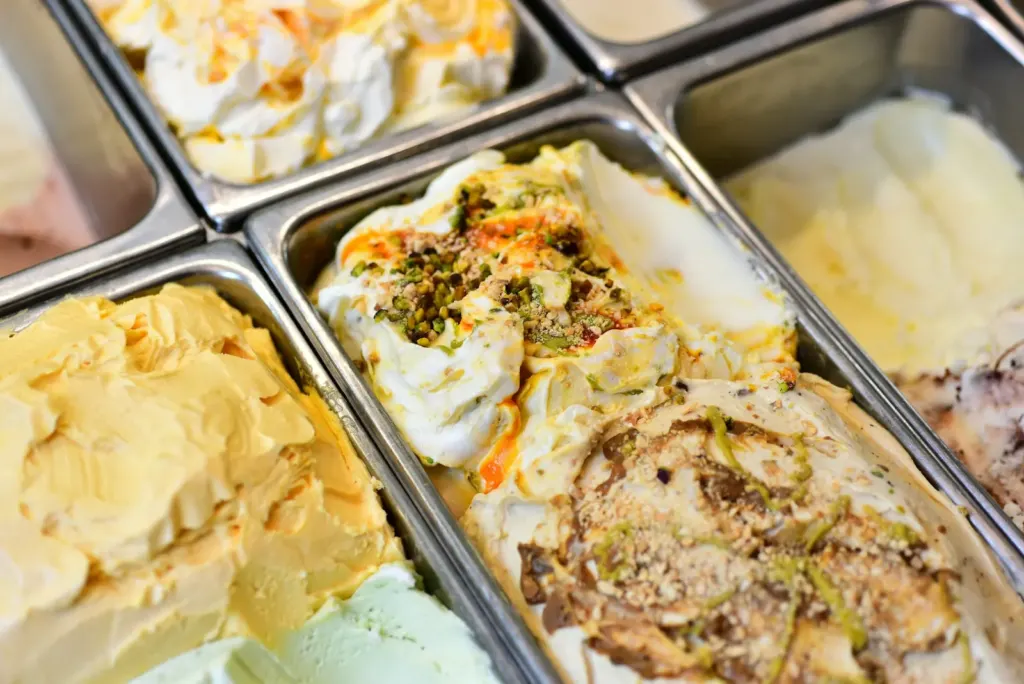
Gelato should be stored in covered metal tubs and have muted natural colours rather than bright, piled-high displays. Tiramisu, maritozzo (a sweet bun filled with cream) and ricotta cakes are common desserts. Try a granita in the summer; see Rome in summer.
Learn it with a guide or a class
If you want context, a guided tasting is the quickest introduction. On this site you can look at the Trastevere food crawl, the Testaccio market tasting, the Jewish Ghetto history and food walk, or a pasta and tiramisu cooking class. Prices and inclusions are shown live on each page. See the Trastevere food tour and Rome cooking classes hubs for comparisons.
A sample Roman day of eating
Breakfast is light: a cappuccino and a cornetto (a croissant-like pastry) at the counter of a bar, over in ten minutes. Lunch, from around one, can be a pizza al taglio or a plate of pasta at a trattoria. Late afternoon is for gelato or a small snack, and around seven an aperitivo of a spritz or a glass of wine with olives, crisps and small bites.
Dinner is the main event. A sensible order for two people is one antipasto to share, a pasta each, one secondo to split with a side vegetable, and a dessert or coffee. That is enough food without waste, and it follows the rhythm the kitchen expects.
Roman food by neighbourhood
The city’s food map follows its history. Testaccio is the home of offal cooking and the market. The Jewish Ghetto is the place for fried artichokes. Trastevere has trattorias and pizzerias along its lanes, and Prati, near the Vatican, has everyday lunch places that tend to be better value than the streets right around St Peter’s. Read the Trastevere page for the evening scene.
Mistakes beginners make
- Ordering cappuccino after lunch or dinner. It is a morning drink; Romans take an espresso instead.
- Asking for parmesan on every dish. Pecorino is the cheese of Roman cooking, and many pastas already include it.
- Skipping the contorno. Vegetables are ordered separately, and they are often the best part.
- Judging a restaurant by its terrace. Quiet side streets often have better cooking.
- Eating dinner at 6pm, when kitchens are only warming up.
Dietary needs
Roman cooking leans on pork, cheese and eggs, so vegetarians should look for cacio e pepe, vegetable sides, pizza and artichokes, and check whether sauces use guanciale or meat stock. Gluten-free diners should ask the staff, since most pastas are wheat-based. Say allergies clearly at the start of the meal, and learn the word for your allergen in Italian.
Sweet things worth trying
Beyond gelato, look for maritozzo, a soft sweet bun split and filled with whipped cream, traditionally eaten at breakfast. Ricotta cakes, often with sour cherries or chocolate, are a Roman Jewish tradition. Tiramisu is found everywhere, but quality varies, so choose places that make it daily. Pair a small sweet with an espresso at the bar, as locals do, rather than lingering over a heavy dessert after a big meal.
Drinks to know
Wine from the Lazio region is easy to order by the carafe, and white wines from the Castelli Romani hills are a traditional match for Roman dishes. Beer is common with pizza. Aperitivo drinks such as a spritz suit the early evening. For a guided introduction, see wine tasting options in the tour listings, or browse food and wine tours.