“Skip the line” in Rome usually means that you have a pre-booked ticket for a specific time slot, or that you enter with a guided group, so you avoid the ticket-buying queue. It does not mean you can ignore every queue: you will usually still pass security screening, and you must arrive at your booked time. It is also not the same as a free pass to enter whenever you like.
Because the phrase is used for so many different products, it helps to know what you are actually buying. This page explains it plainly. As a disclosure, rometourz.com earns a commission on some bookings; see our affiliate disclosure and how we rank tours.
What does skip the line mean?
Several queues exist at a big attraction:
- The ticket-office queue, where people buy tickets on the day.
- The security queue, where bags are scanned.
- The entry queue, where tickets are scanned for admission at a time slot.
- Internal queues for specific areas, such as stairs or a chapel.
“Skip the line” normally removes the first one. Pre-booking means you do not wait to buy; your timed ticket gets you into the designated entrance. Security screening generally remains.
Voucher vs ticket: the key difference
Some products are real tickets. Others are vouchers that you exchange for a ticket at a meeting point or an office. A voucher is a booking confirmation, not necessarily an entry pass. Check your confirmation: it should say whether you scan a QR code at the gate, or meet a guide or collect a ticket first. If the instructions say to exchange the voucher, allow time for that step, and do not arrive at the gate at your slot time expecting to be admitted.
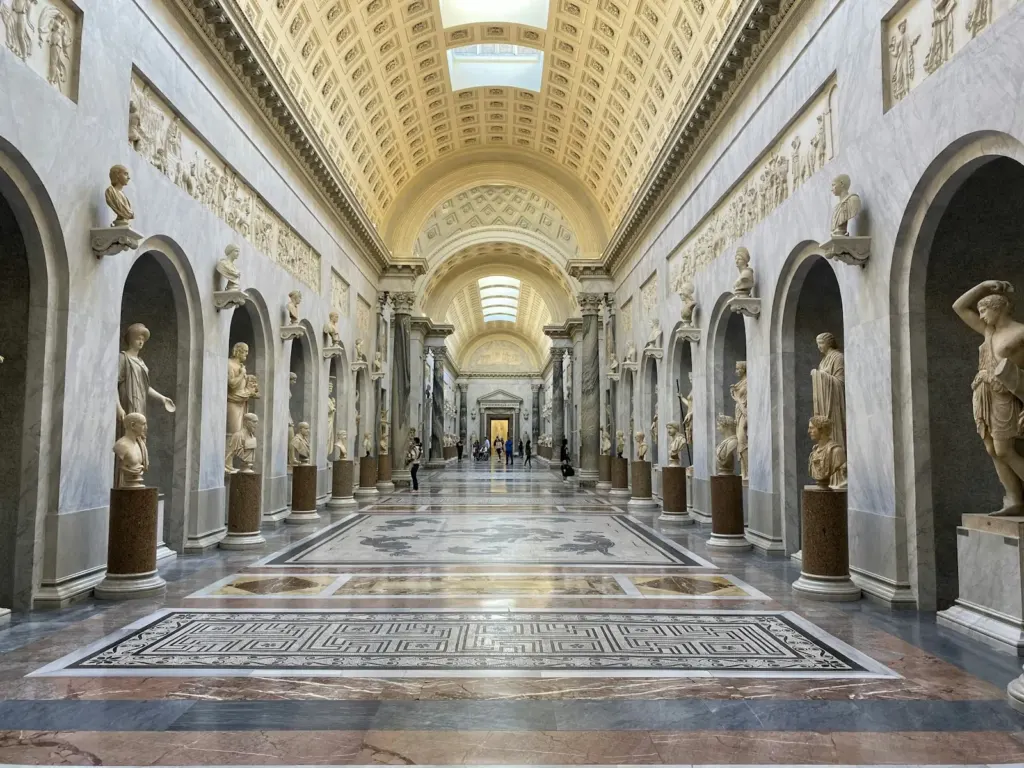
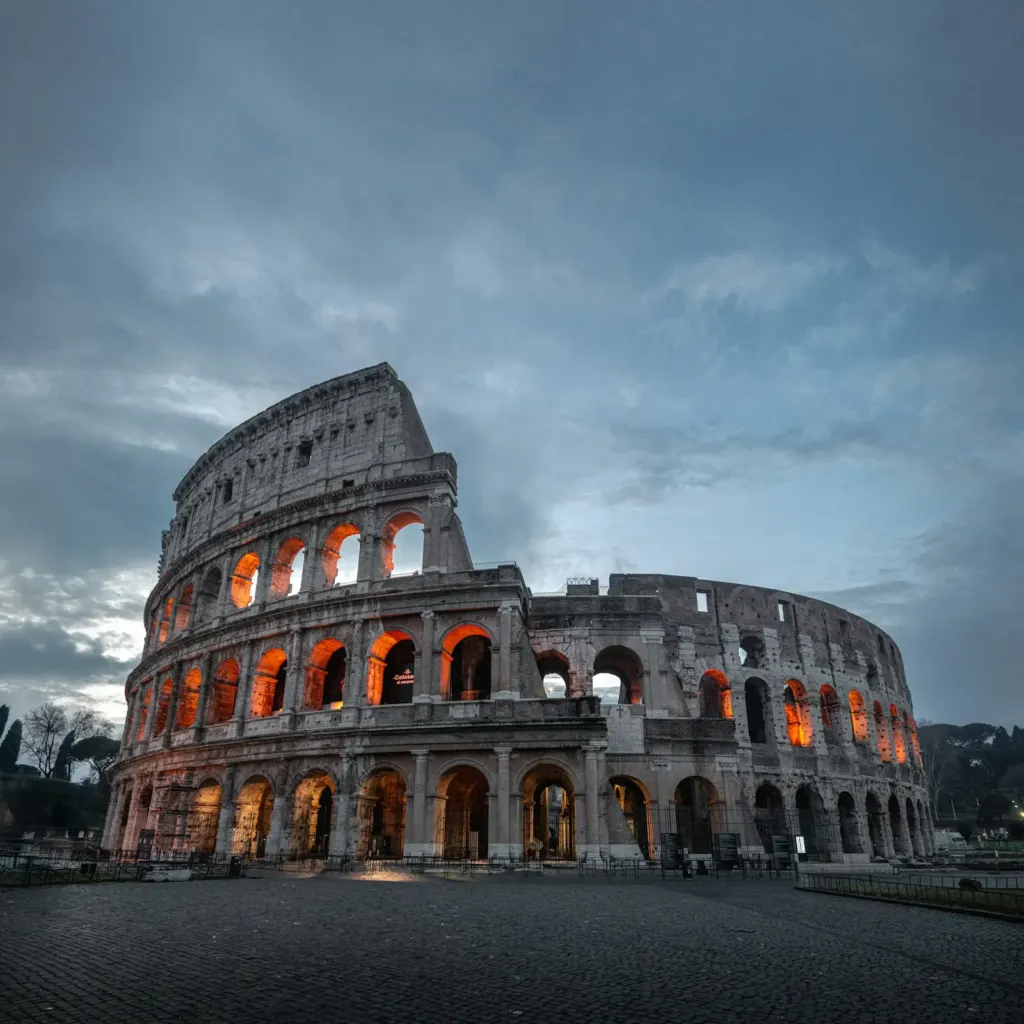
Our own timed-entry listings are described on their pages, for example the Colosseum, Roman Forum and Palatine skip-the-line entry (from EUR 59, meeting at the Colosseum entrance, audio guide included) and the Vatican Museums and Sistine Chapel ticket (from EUR 49, timed entry, audio guide). Always read the meeting point and instructions on your confirmation.
Timed slots and queue types
Major sites in Rome run on timed entry. Standard Colosseum tickets are timed, and the combined ticket also covers the Forum and Palatine. The Vatican Museums use booked time slots, and the Borghese Gallery requires a reserved timed slot. Your slot is an entry window, not an all-day pass, so arriving late can mean losing the slot. A pass such as the Roma Pass may include a faster lane at some sites, but timed slots can still need reserving; check whether the Roma Pass is worth it and the official Roma Pass site for current conditions.
Official site vs reseller: why prices differ
Official sites sell tickets at the face value the venue sets, though they may add a small booking fee. Resellers often sell bundles with an audio guide, a guide, a meeting service or transfers, and they set their own prices. A higher price can therefore mean a different product, not the same ticket marked up. The risk is that availability on official sites sells out for popular dates, which pushes people to resellers. Compare what each price includes: ticket only, audio guide, live guide, meeting point and cancellation terms.
If you only want entry, start on the official sites: parcocolosseo.it for the Colosseum, Forum and Palatine, and museivaticani.va for the Vatican Museums. If official slots are gone, a guided tour or reseller option may be the only way to get in.
Do guided tours skip the queue?
Guided tours generally use group entrances or pre-arranged entry times, so you avoid the ticket-buying queue. You still pass security. A guided tour is not a guarantee of zero waiting; it removes the uncertainty of the ticket line. Our Borghese Gallery guided tour (from EUR 69) and Castel Sant’Angelo skip-the-line terrace ticket (from EUR 39) follow the same logic: a booked slot, then entry.
Can I buy tickets at the door?
Sometimes, but it is risky at popular sites. Walk-up availability depends on the day, and on busy dates tickets can sell out. The Borghese Gallery in particular requires a reserved timed slot. Pre-booking is the safer choice, especially in spring, summer and holiday periods.
Names and ID
Colosseum tickets are issued in a visitor’s name, and staff can ask to see ID. Enter names exactly as shown on your passport or ID card, and bring it. Tickets with a mismatched name can cause problems at the gate. Check the site’s rules and the instructions in your booking.
A quick checklist before you pay
- Is it a ticket or a voucher to exchange?
- What is the time slot, and what happens if you are late?
- What is included: audio guide, live guide, headsets?
- Where do you meet, and who do you ask for?
- What are the cancellation terms?
- Are the names correct, and do you have ID?
See all Rome skip-the-line tickets, or read more in Rome tours: the complete guide. For attraction-specific options, see Vatican Museums tours and Colosseum tours.
Check current details. Booking systems, slot lengths and ID rules change. Always confirm on the official site of the attraction.
Common mistakes with skip-the-line bookings
- Arriving at the wrong place. The meeting point for a tour is often different from the main entrance. Read the instructions.
- Arriving late. A timed slot is a window, and late arrivals may be refused or have to join a later group.
- Assuming a pass equals a ticket. Some passes still need a reserved slot at certain sites.
- Booking duplicate products. A combined ticket and a separate tour ticket for the same site can overlap.
- Ignoring bag rules. Large bags may need to be left at a cloakroom or may be refused, which can delay your entry.