Most tourist traps in Rome come down to a few patterns: restaurants that target visitors at the busiest squares, unofficial ticket sellers near big attractions, people who charge for a photo or a favour, taxi overcharging, and pickpockets in crowds. Rome is a welcoming city, and these problems are avoidable with a handful of habits, such as booking tickets from official or reputable sources, checking menu prices and keeping your valuables close.
Restaurants next to the big sights
Eating on or beside Piazza Navona, Trevi Fountain or the Colosseum often means higher prices and lower quality. Warning signs include touts who stand outside and invite you in, menus with photos in many languages, and a huge menu covering every Italian dish. Walk a few streets away and look for short menus, local customers and handwritten specials. Our food lover’s guide and beginner’s guide to eating like a Roman show what to expect.
Cover charges and the bill
Many Italian restaurants add a per-person coperto (cover charge) for bread and table service, and some add a service charge. This is normal when it is shown on the menu. Read the bottom of the menu before you order, and check your bill. Be careful with items priced by weight, such as fish or steaks, and ask the total before ordering. If a price is not on the menu, ask.
Unofficial ticket sellers and fake queues
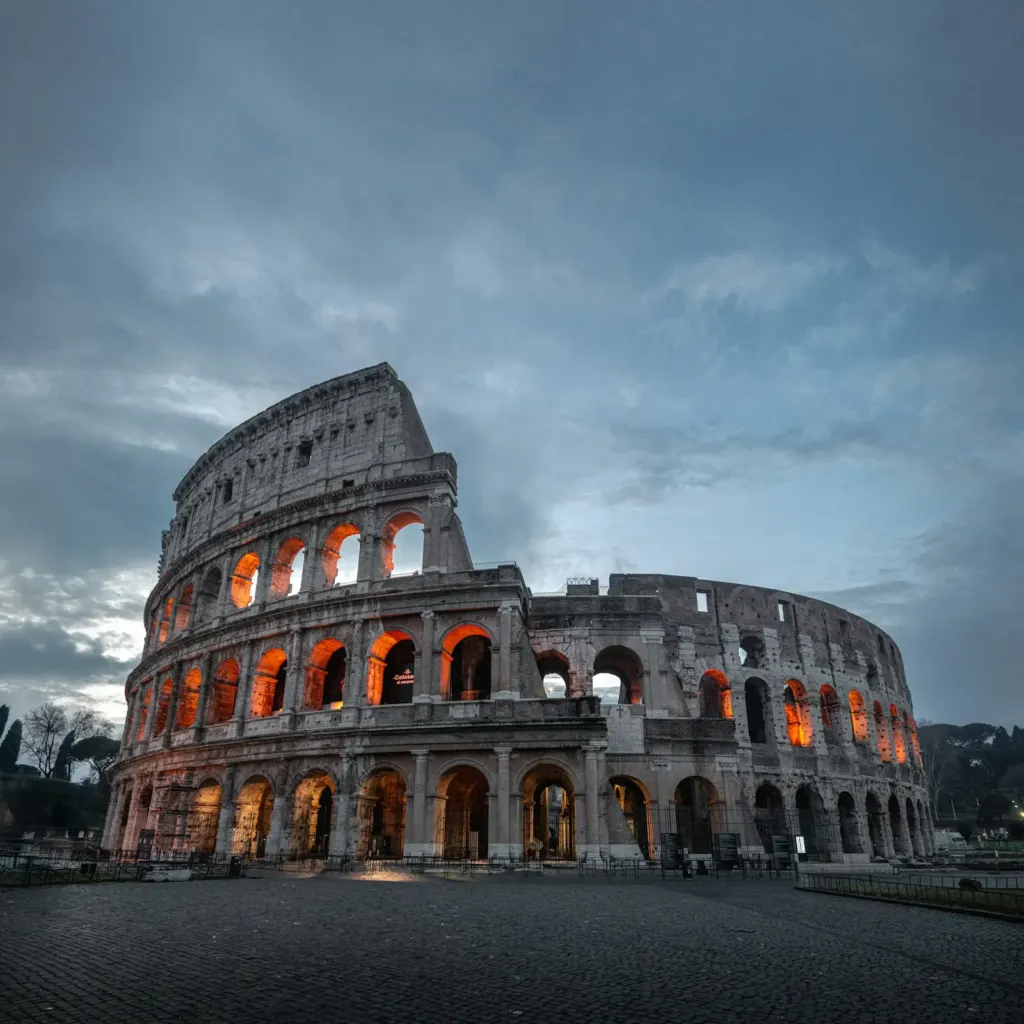
Near the Colosseum, Vatican and other major sights you may be approached by people offering “skip the line” tickets or tours. Ignore them. Buy from the official site of the attraction or from a reputable booking page, and read the instructions carefully. Our explainer on what skip the line really means covers tickets versus vouchers. Colosseum tickets are timed and issued in a visitor’s name, so a stranger’s printed ticket is a red flag.
For a safe way to visit, see our skip-the-line tickets or the stress-free approach in visiting the Colosseum, Forum and Palatine without the stress.
Costumed photos and “gifts”
Around the Colosseum and other landmarks, people in costume offer photos, and others hand out bracelets or roses. These are not free: expect to be asked for money. A polite “no, grazie” and continuing to walk is enough. Do not let anyone place something on your wrist or in your hand.
Taxis and transfers
- Use official taxis with a taxi sign and a meter, from a taxi rank or a booking app.
- The city sets fixed fares for some airport routes into the historic centre. Check the Comune di Roma or the taxi information at the airport for the current fare before you get in.
- Avoid unlicensed drivers who approach you in arrivals halls.
- Ask for a receipt, and check the destination before you start.
If you prefer a pre-arranged transfer from the cruise port, see the Civitavecchia guide. For local transport, read getting around Rome.
Pickpockets and crowds
Crowded metro trains, buses serving major sights, and queues at attractions are the places where pickpocketing is most common. Carry a zipped cross-body bag in front of you, keep your phone away from the edge of tables and do not put valuables in back pockets. Be especially alert when someone creates a distraction, such as a petition, a map or a sudden push. Staying aware is more useful than worrying.
Overpriced drinks and water
Ordering at the table in a square often costs more than standing at a bar counter in Italy. Prices can differ between table and counter service, so check the price list. Rome’s public drinking fountains, known as nasoni, provide free water, so refill your bottle rather than buy several. Bring a reusable bottle in summer; see how to handle Rome in summer heat.
Souvenirs and “authentic” products
Souvenir stands near the major sights sell similar goods at inflated prices. If you want food gifts, buy at a market or a regular shop. A guided tasting such as our Trastevere food crawl can introduce you to local producers and give you a sense of fair prices.
Smart habits that cover most traps
- Book entry tickets in advance from official or reputable sources.
- Check menus for prices and the cover charge before sitting down.
- Decline street offers politely and keep walking.
- Use official taxis or a pre-booked transfer.
- Keep valuables in front of you in crowds.
- Walk a few streets away from landmarks to eat.
- Confirm what any tour includes and where you meet.
A good local guide can also help you avoid the weaker options. Our Rome by night walking tour is listed from EUR 39 and our Forum and Palatine guided walk from EUR 49. For the wider picture, read Rome tours: the complete guide.
Check current details. Rules, taxi fares and local regulations change. Confirm with the Comune di Roma and the official sites of the attractions you plan to visit.
What to do if something goes wrong
If you think you have been overcharged, stay calm, ask for an itemised bill or receipt and compare it with the posted prices. For a serious problem, such as theft, contact the local police and keep any paperwork for your insurer. If you booked a tour or ticket through a platform, contact the booking provider promptly with your confirmation details. Keep photos of menus, receipts and tickets; they help if you need to dispute a charge.
Do not overdo the caution
These habits are meant to save money and stress, not to stop you enjoying the city. Most people you meet in Rome are friendly and helpful, and most restaurants, taxis and ticket offices treat visitors fairly. Use common sense, ask questions when prices are unclear, and take the time to find places that feel genuinely local. For ideas about where to go, browse things to do in Rome.