
Free
Rome, Italy
Rome on a Budget: Free Sights and Cheap Tips
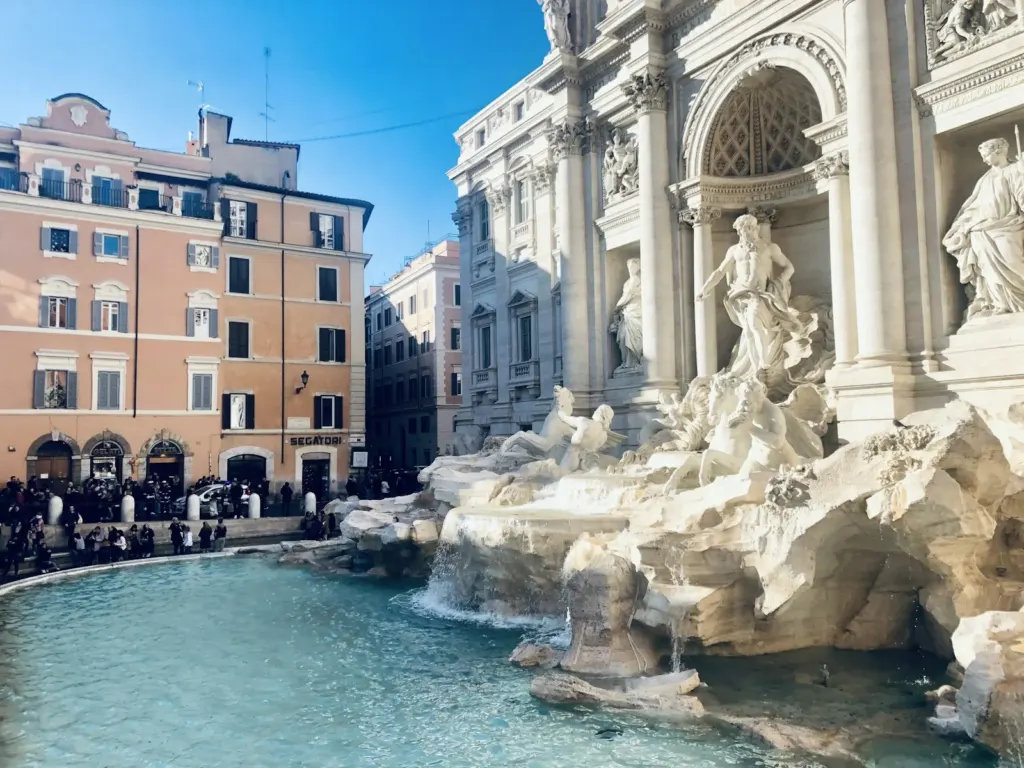
The cheapest way to visit Rome is to pay for one or two sights you really want, such as the Colosseum with the Forum and Palatine, and fill the rest of your time with the many things that cost nothing: fountains, piazzas, churches, viewpoints and street food. Your largest costs will be accommodation, then food, then tickets, and each of them can be trimmed without missing the highlights.
This guide covers what is free, how to cut costs on transport and food, how to decide which tickets are worth the money, and a three-day low-cost plan. It is advice on how to spend sensibly, not a promise of a daily figure, since prices vary by season and change over time.
What is free in Rome?
A surprising number of Rome’s best experiences are free to enter or see from outside:
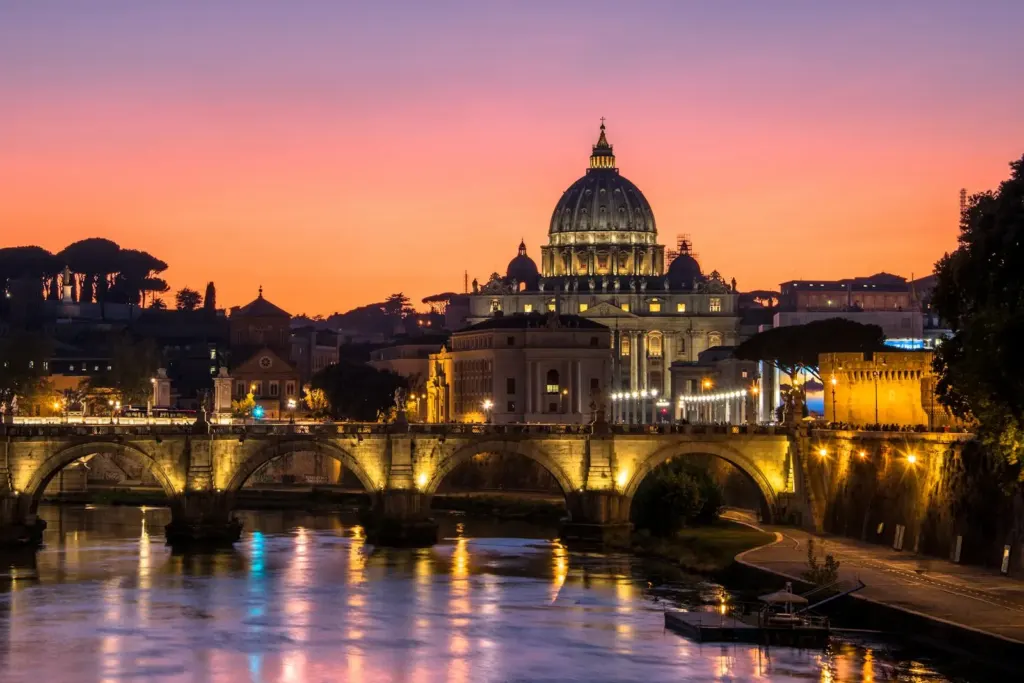
- St Peter’s Basilica: entry is free, though you go through a security queue and a dress code applies (shoulders and knees covered). Climbing the dome and visiting extras is paid.
- Trevi Fountain, Piazza Navona and the Spanish Steps: free to see, though the Trevi area can be crowded. Access rules around the basin have been changing, so check the Comune di Roma for current arrangements.
- Churches: many of Rome’s churches are free, including Santa Maria in Trastevere, Santa Maria Maggiore and several baroque churches with works by Caravaggio and Bernini. A donation box often pays for the lights that show the paintings.
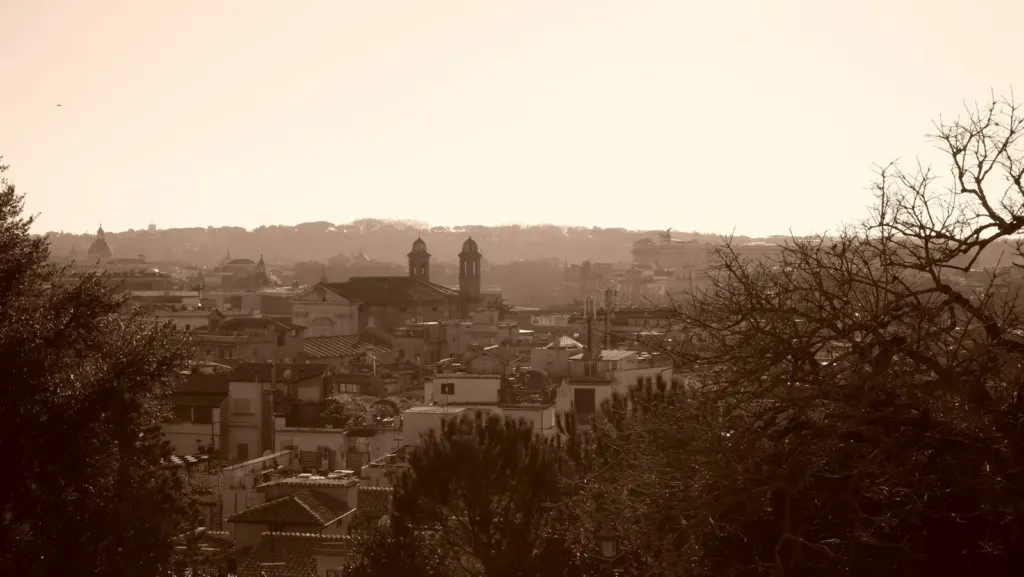
- Viewpoints: the Pincio terrace above Piazza del Popolo, the Janiculum Hill and the Aventine Hill’s orange garden are free, and the Aventine keyhole frames St Peter’s dome.
- Walking the old centre: Campo de’ Fiori, the Ghetto, Monti and Trastevere cost nothing to walk through. For a guided way into the Ghetto, the Jewish Ghetto History and Food Walk (from EUR 45) combines history with tastings.
The Pantheon has charged an entry fee for visitors since 2023 and has its own opening rules, so check the official source for the current arrangement. It is still free to see the exterior and the piazza.
Free first Sundays: worth it or not?
Italy’s state museums and archaeological sites, including the Colosseum area, have offered free entry on the first Sunday of the month under a national programme. The Vatican Museums, according to their official site, are free on the last Sunday of the month (with exceptions around some holidays), with entry in the morning only and no advance booking. Both are the busiest days of the month, with long queues and crowded rooms, so they save money at the cost of time and comfort. Our guide to free Sundays in Rome explains how they work. If you are visiting with limited time, a timed paid ticket is often the better use of a morning. For the Vatican, our timing and crowds guide explains why.
Where to spend on tickets
The principle is simple: choose a few paid sights and book them in advance, since the entry queue is the biggest waste of both time and money.
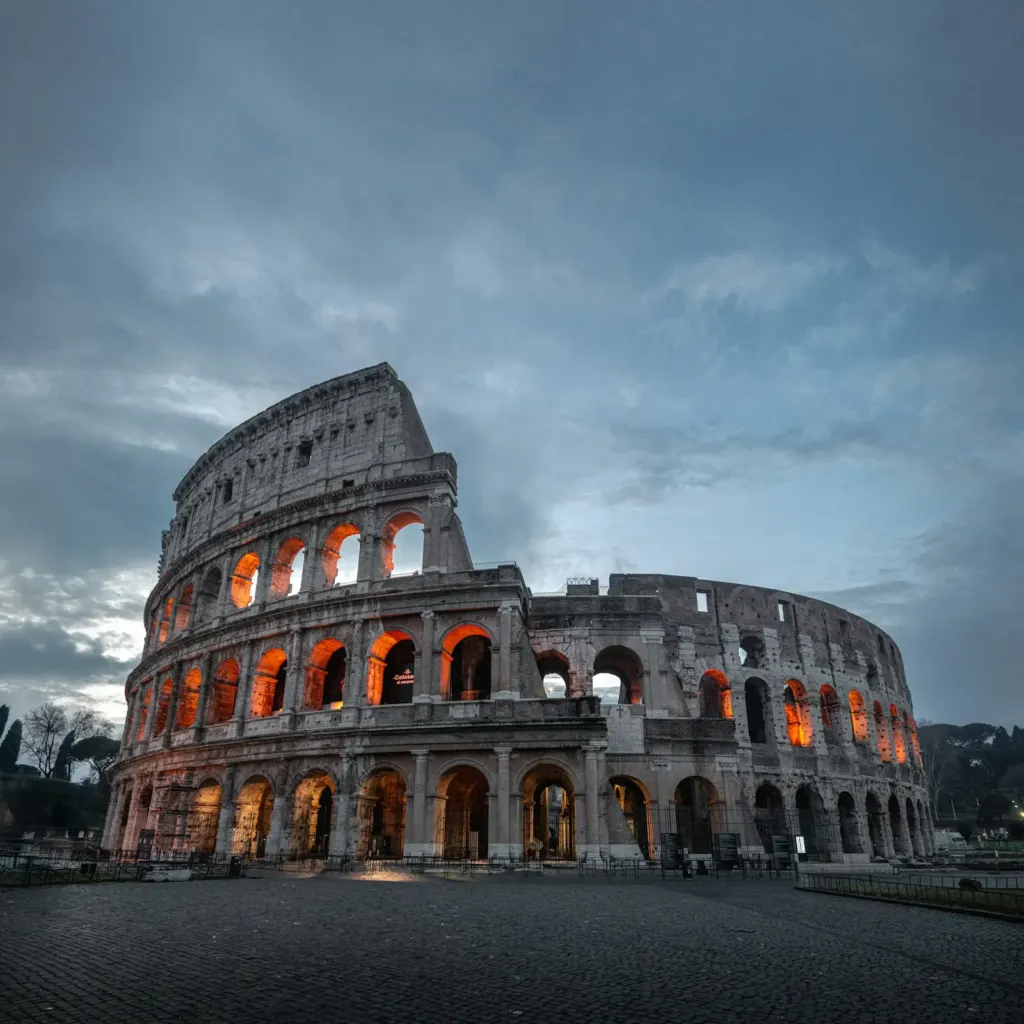
- Colosseum, Forum and Palatine: the standard ticket is a combined one for all three, usually the best-value package in the city. Our Colosseum, Roman Forum and Palatine Skip-the-Line Entry (from EUR 59) is a straightforward timed option, and the Roman Forum and Palatine Hill Guided Walk (from EUR 49) adds a guide for context. For the full process, see Colosseum tours and tickets.
- Vatican Museums: one ticket covers the museums and the Sistine Chapel. Book a timed slot; see Vatican Museums tours to compare options.
- Borghese Gallery: only worth it if you love art, and it requires a reserved slot.
Is the Roma Pass worth it?
It depends on how many paid sights you will actually visit. A pass pays off only if you visit enough included attractions and use public transport heavily; otherwise, individual tickets for two or three sights may cost less. Work out your list first, then compare against the current pass details on romapass.it. Our article Is the Roma Pass worth it? goes through the calculation.
Are tours worth the money?
Often, for the sites where context is hard to get alone: the Roman Forum, the Vatican, the catacombs. A guide turns a field of ruins into a story. If you want to keep costs down, choose a small number of well-chosen tours and see everything else independently. For ideas, browse Rome tours under 50 euros, and decide using are guided tours in Rome worth it?
Getting around cheaply
Central Rome is compact, and walking is both free and the best way to see it. For longer hops, buses, trams and the metro use a fare structure that includes single tickets and time-limited passes; check the ATAC website for current options. A pass makes sense only if you take several journeys per day. Our guide to getting around Rome covers the system.
The airport-to-Termini train is typically the cheapest fast way into the city. A hop-on hop-off bus is not a budget option in itself, but if you plan to use it as transport and sightseeing in one, the Hop-On Hop-Off Bus Rome 24-Hour Pass (from EUR 32) can double as a day of transport. See hop-on hop-off vs walking tour to compare. The Tiber River Sunset Cruise (from EUR 29) is one of our lower-priced ways to see the city from the water.
Eating well for less
- Make lunch your main meal. Many trattorie offer cheaper lunch menus than dinner.
- Use street food. Pizza al taglio (by the slice, priced by weight), supplì (fried rice balls) and a panino cost little.
- Stand at the bar. Coffee at the counter is cheaper than sitting down.
- Avoid restaurants on tourist squares. Walk two streets away and look for short menus in Italian.
- Drink from nasoni. Rome’s public drinking fountains give free, safe water, so bring a refillable bottle.
- Shop at markets. The market at Testaccio is a good place for a cheap, local lunch; our Testaccio Market and Roman Specialities Tasting (from EUR 69) turns that into a guided meal. See also the Testaccio neighbourhood page.
A cover charge (coperto) is normal in many restaurants and is not a scam, but check the menu. For more on where to eat, read where to eat in Rome.
Saving on accommodation and timing
Accommodation is the biggest cost for most visitors. Staying near a metro stop outside the very centre, or in a neighbourhood a short bus ride away, usually costs less than staying beside the main monuments. Our neighbourhood comparison shows the trade-offs.
Timing matters as much as location. The cheapest months are generally the winter ones outside the Christmas and New Year period, typically January and February, when flights and rooms are cheaper and queues are shorter. Summer and the Easter period are the most expensive. Read Rome in winter and the month-by-month guide for details.
A three-day low-cost plan
This plan pays for one headline ticket and fills the remaining time with free sights and cheap food. It is a sample sequence; adjust the order to match your booked slot.
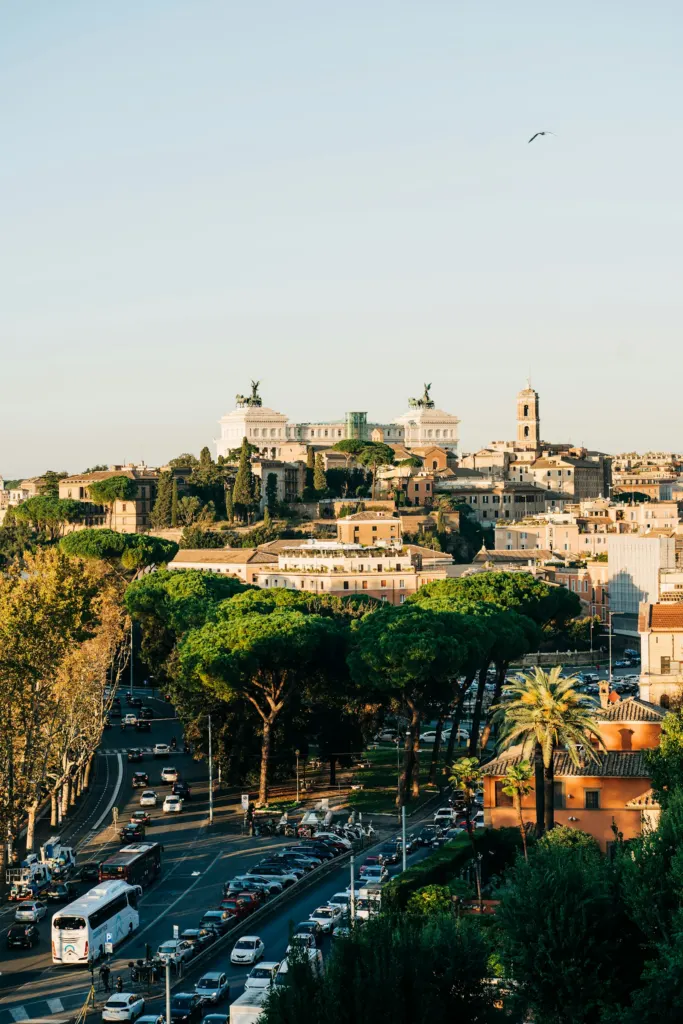
- Day 1, ancient Rome: a timed Colosseum, Forum and Palatine entry in the morning, pizza al taglio for lunch, then free views from the Capitoline Hill.
- Day 2, the Vatican area: St Peter’s Basilica (free) early, a panino lunch, and, if you want, a paid terrace at Castel Sant’Angelo.
- Day 3, the baroque centre: the Pantheon (check current entry rules), Piazza Navona and the Trevi Fountain, a late lunch at Testaccio market, and the Aventine keyhole and orange garden in the evening.
For a more complete route, see our 3-day itinerary.
How much should I budget per day?
We deliberately do not quote a daily figure, because prices change and depend on where you sleep and eat. A better way to budget is to list the paid sights you want, add food at a pace you are comfortable with, add transport, and then add a buffer. Check the official websites for current ticket prices.
Mistakes to avoid on a budget
- Buying a pass without listing the sights you will use.
- Visiting on a free day and then losing half a day to queues.
- Eating on the main tourist squares.
- Booking cheap, far-out accommodation without checking transport links.
- Skipping a guided visit at a site where you would otherwise understand little.
Check current details
Ticket prices, free-entry rules, transport fares and opening hours change. Use the official sites: colosseo.it for the Colosseum area, museivaticani.va for the Vatican Museums, romapass.it for the Roma Pass and the ATAC website for transport.
Day 1
- 09:00Colosseum, Forum and Palatine
One combined timed ticket, the main paid sight of the trip
- 13:00Pizza al taglio
Cheap, quick lunch
- 15:00Capitoline Hill
Free views over the Forum
Day 2
- 09:00St Peter's Basilica
Free entry, dress code applies
- 12:00Lunch
Panino or market food
- 14:30Castel Sant'Angelo
Optional paid terrace
Day 3
- 09:00Pantheon
Check current entry rules
- 11:00Piazza Navona and Trevi
Free sights
- 13:00Testaccio market
Cheap local lunch
- 17:00Aventine keyhole and orange garden
Free view
What to skip
- Sit-down meals on tourist squares
- Taxis from the airport without checking the fixed fare
- Buying water bottles when fountains are free
- Visiting on free Sundays at the busiest sites
More guides like this
Free
Rome tours: the complete guide
Best for First timers5 daysFree
Rome in 5 days
Best for First timers4 daysFree
Rome in 4 days
Best for First timersFrequently asked questions
How can I visit Rome on a budget?
Pay for one or two timed tickets you really want, fill the rest with free churches, piazzas and viewpoints, eat lunch as your main meal, drink from nasoni fountains and walk where you can. Travelling in winter also cuts costs.
What are free things to do in Rome?
St Peter's Basilica, the Trevi Fountain, Piazza Navona, the Spanish Steps, many churches, the Pincio and Janiculum terraces, the Aventine keyhole and the old-centre streets are all free to see or enter. A few have rules, so check ahead.
What is the cheapest time to visit Rome?
January and February, outside the holiday period, are generally the cheapest, with lower room rates and shorter queues. Summer and Easter are the most expensive. Check flight and hotel prices for your dates.
Are Rome tours worth the money?
They are worth it at sites where context matters, such as the Forum, the Vatican and the catacombs. For many other sights you can go alone. A few well-chosen tours usually beat booking everything.
Is the Roma Pass worth it for budget travellers?
Only if you visit enough included attractions and use public transport heavily. List the sights you plan to visit and compare the total with the current pass price on romapass.it before buying.
Is the Vatican free on Sundays?
According to the Vatican Museums' official site, entry is free on the last Sunday of the month (with some holiday exceptions), in the morning only, and it cannot be booked in advance. It is very crowded, so many visitors prefer a paid timed slot.
Is Rome expensive to visit?
It can be if you eat in tourist areas and book many paid sights. Free sights, street food, lunch menus and a few chosen tickets keep costs manageable.
Keep exploring Rome
Related tours, guides and places.
- Tours and ticketsRome tours under €50
Eight of our listed Rome tours start at €50 or less, from a river cruise to the Vatican…
- Tours and ticketsHalf-day tours in Rome
A half-day tour in Rome runs up to about four hours, enough for one major site or one…
- Tours and ticketsBest Walking Tours in Rome
The best walking tour in Rome depends on the theme you want: ancient ruins, food and history, a…
- DestinationColosseum
The Colosseum was begun by Emperor Vespasian around AD 70-72 and opened by his son Titus in AD…
- DestinationRoman Forum & Palatine Hill
The Roman Forum was the civic heart of ancient Rome and the Palatine Hill its imperial palace district….
- DestinationTestaccio
Testaccio is Rome's old slaughterhouse district and its most food-minded neighbourhood: a covered market, traditional trattorias, a hill…