The best area to stay in Rome for a first visit is the Centro Storico (the historic centre around the Pantheon and Piazza Navona) or Monti, the hillside neighbourhood next to the Colosseum. Both put you within walking distance of the major sights. Prati is the practical choice for the Vatican, Trastevere is the best for atmosphere in the evening, and the area around Termini station is the easiest for trains, the airport link and tighter budgets.
Rome is bigger than it looks on a map, and the metro does not reach the historic centre well, so your neighbourhood decides how many steps, buses and taxi rides fill your days. This guide compares the main areas and tells you who should stay where. We do not recommend individual hotels here, and we do not sell accommodation.
Where to stay in Rome at a glance
| Area | Best for | Walk to main sights | Metro and transport | Evenings | Budget feel |
|---|---|---|---|---|---|
| Centro Storico (Pantheon, Navona, Campo de’ Fiori) | First-timers who want to walk everywhere | Pantheon, Navona, Trevi within about 10 to 20 minutes; Colosseum around 25 to 30 | No metro in the core; buses and a longer walk to stations | Lively, can be noisy | Higher; rooms often small |
| Monti | Ancient Rome and a village feel | Colosseum and Forum close by on foot | Cavour and Colosseo stations nearby | Wine bars, relaxed | Mid to high |
| Prati | Vatican-focused trips, calmer base | Vatican on foot; centre about 20 to 30 minutes | Metro Line A (Ottaviano, Lepanto), many buses | Quiet, local | Mid; good lunch value |
| Trastevere | Atmosphere, food, nightlife | Across the river; the centre is a 15 to 25 minute walk | No metro; trams and buses | Busy, noisy at weekends | Mid to high |
| Termini and Esquilino | Trains, airport train, day trips, value | Colosseum about 20 to 25 minutes; Trevi about 25 | Lines A and B, rail, airport train | Mixed; read recent reviews | Lower to mid |
| Testaccio and Aventine | Food lovers, quieter local feel | Circus Maximus and Colosseum a short metro or taxi hop | Piramide (Line B), tram 3, Ostia train | Local restaurants, early nights | Mid |
The walking times are rough estimates for an average walker, not official figures. Check your own route on a map app before booking.
Centro Storico and the Pantheon area
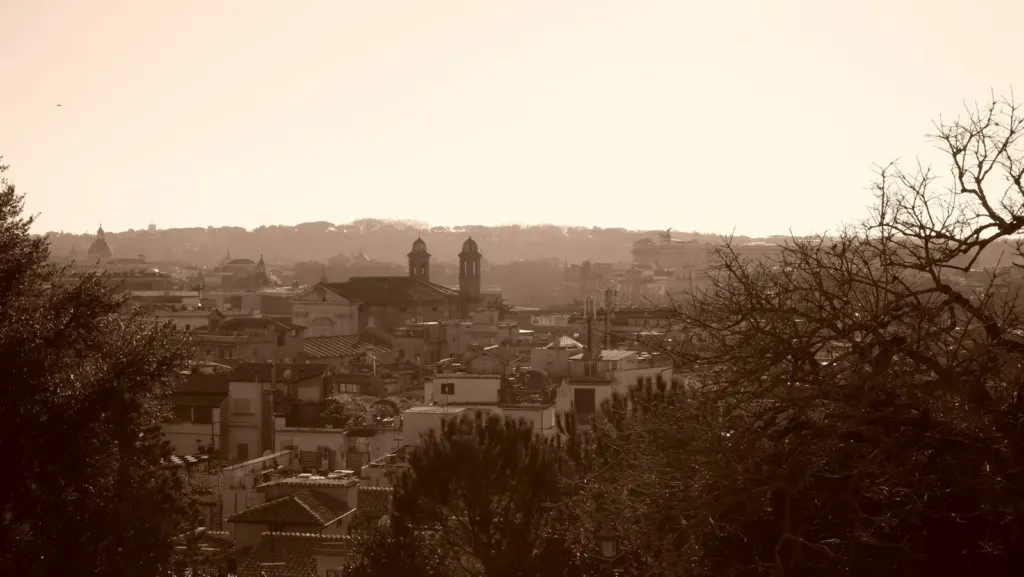
This is the classic choice. The Pantheon, Piazza Navona, Campo de’ Fiori and, a bit further on, the Trevi Fountain and Spanish Steps are all within a pleasant walk. The streets are full of restaurants, cafes and shops, and many people find that being able to return to the room mid-afternoon is the best feature.
The trade-offs are cost, small rooms in old buildings, and noise on busy streets and squares. There is no metro station in the core, so reaching the Vatican or the Colosseum means a walk, a bus or a short taxi ride. Ask for a quieter room away from the main square if you sleep lightly.
Choose it if you are visiting for the first time, want to walk, and are willing to pay for location. See the Pantheon and Piazza Navona page for what is nearby.
Monti: village feel near the Colosseum
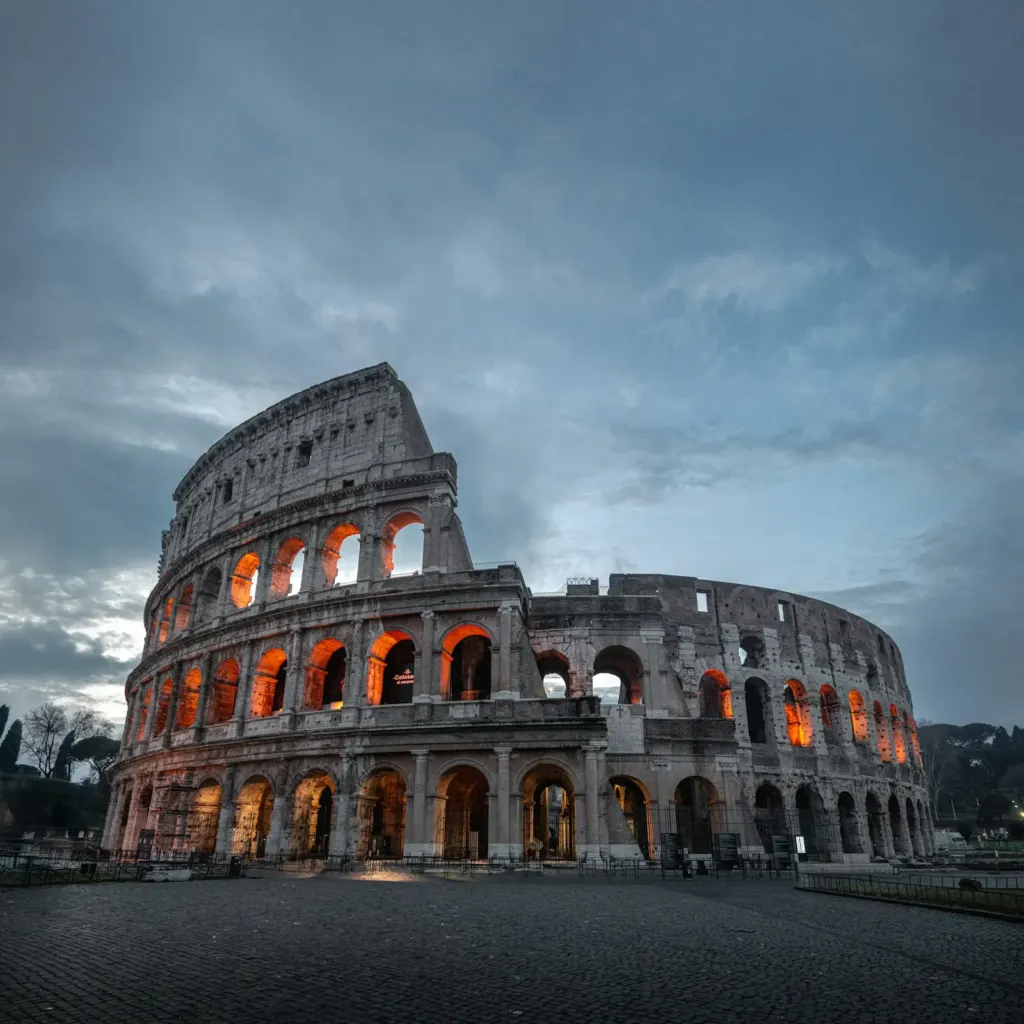
Monti sits on the slope between Termini, the Colosseum and the Forum. It has independent shops, small restaurants and wine bars, and it feels more like a neighbourhood than a tourist zone. It is the strongest base for ancient Rome: you can walk to the Colosseum in minutes, and Cavour and Colosseo metro stations are close.
The streets are uneven and hilly, and the main sights of the Baroque centre are further away than from Navona. Evenings are lively but not rowdy. Compare it with our guide to visiting the Colosseum, Forum and Palatine to see how close the morning start will be.
Choose it if ancient Rome is your priority and you like a local feel.
Prati: the Vatican and a quiet base
Prati is a calm, orderly district of wide streets just north of the Vatican. It has good markets, everyday shops, and many restaurants where locals eat lunch, which tend to offer better value than the tourist streets around St Peter’s. Metro Line A and several bus routes connect it with the centre, so Prati is better connected than it first appears.
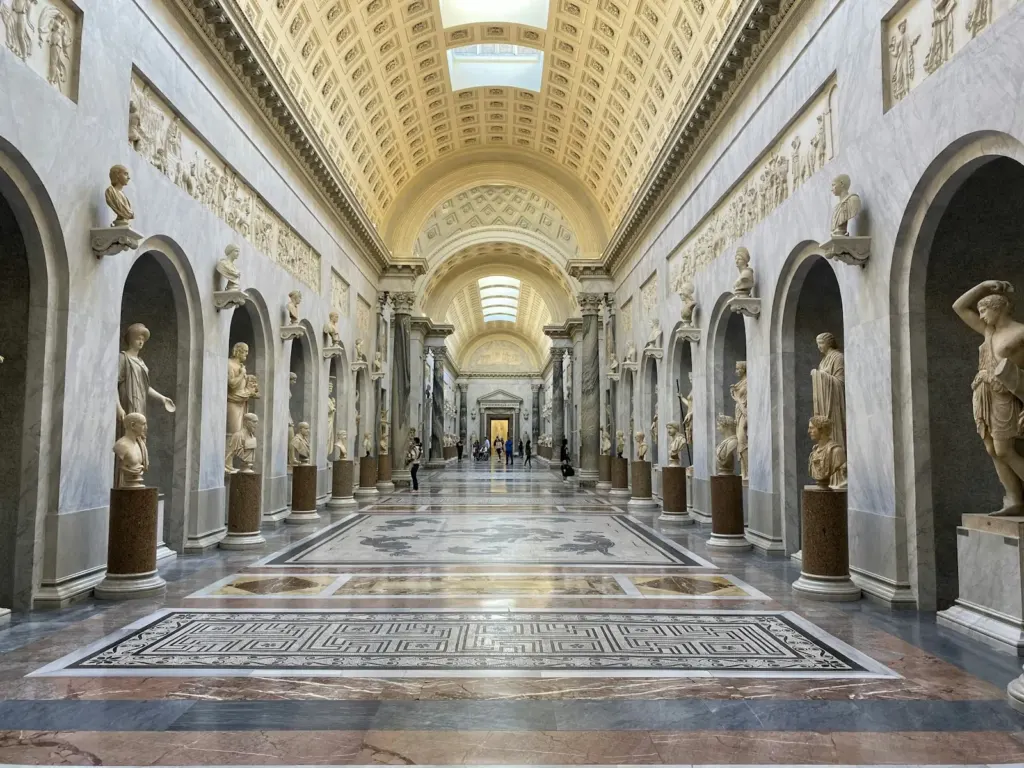
It lacks the old-street atmosphere of the centre, and evenings are quiet. If the Vatican Museums are a top priority, you can walk to the entrance for an early slot; see how to book the Vatican Museums. It also suits visitors who do not want to be woken by street noise.
Choose it if the Vatican matters most, or you want calm and easy transport.
Is Trastevere a good place to stay?
Trastevere, across the Tiber, is known for cobbled lanes, ivy-covered houses, trattorias and busy evenings. It is a lovely area to wander at dusk and has a wide choice of places to eat. It has no metro station, though trams and buses serve it, and weekend nights can be loud, especially around the main squares.
It works as a base if you favour atmosphere over speed and do not mind a 15 to 25 minute walk or short transport hop to the Pantheon and the Colosseum. Read more on the Trastevere destination page, and see Trastevere food tours if you want a guided evening there.
Choose it if you have visited Rome before, or you prefer evenings out to short walking times.
Is it good to stay near Termini?
Termini is Rome’s main station. The airport express train, the regional and high-speed trains, metro Lines A and B and many buses all meet here, so it is the easiest base for day trips and late arrivals. Rooms are often good value compared with the historic centre.
The area is not pretty and some streets feel rough at night, so research the specific street and read recent reviews on independent sites. Streets a few blocks towards Monti are generally pleasanter than those directly around the station. Many travellers use Termini for a short stay, a trip with an early train, or a tight budget. For day-trip ideas, see Rome day trips.
Choose it if you are arriving or leaving by train, taking day trips, or watching your budget.
Testaccio and the Aventine
Testaccio is a working-class neighbourhood famous for food, with a covered market and traditional restaurants. The Aventine Hill nearby is quiet and leafy. Both are a short metro or tram ride from the Colosseum and have the Piramide metro station and the train to Ostia Antica. Choose them if you want to eat like a local and do not mind a short trip to the sights. See the Testaccio page for more.
Who should stay where
- First visit, three days, want to walk: Centro Storico or Monti.
- Ancient Rome and quieter streets: Monti.
- Vatican first, calm evenings: Prati.
- Food and nightlife: Trastevere or Testaccio.
- Trains, day trips and budget: Termini and Esquilino, with a careful look at the street.
- Families with strollers: look for a lift and an address near a metro stop, such as Prati or Monti.
- Light sleepers: ask for an inner-courtyard room anywhere, and avoid squares with bars.
Where to stay in Rome without a car
You do not need a car in Rome, and in the centre it is a burden because much of the historic centre is a limited-traffic zone. The best car-free bases are those within walking distance of most sights, or next to a metro or tram line. That points to Monti, the Centro Storico, Prati and Termini. Read getting around Rome for how the metro, buses and trams fit together.
Practical checks before you book
- Lift and stairs: many historic buildings have narrow stairs or a tiny lift. Confirm before booking if you have luggage or mobility needs.
- Air conditioning: not universal in older properties. Ask, especially for July and August; see Rome in summer.
- Tourist tax: Rome charges a city tax per person per night, usually paid at the property and separate from the room rate. Check the current amount with the property.
- Taxi drop-off: parts of the centre are restricted to residents’ vehicles, so a taxi may drop you a few minutes’ walk from the door.
- Cancellation terms: compare free cancellation windows. Prices rise around Easter, in spring and early autumn, and over Christmas.
- Apartments: can be good value for families or longer stays, particularly when you want to cook with market produce.
Mistakes to avoid
- Picking the cheapest room without checking the street at night.
- Assuming the metro will take you to the Pantheon or Navona; it does not.
- Booking far out to save money, then spending the saving on taxis.
- Ignoring the stairs, the heat and the noise, which matter more than the star rating.
Once you have a base, plan your days with our itinerary guide Rome in 3 days, and use how many days in Rome if you are still deciding the length of your stay. Time of year also affects price and comfort: see the best time to visit Rome.
First night and last night
If you arrive on a late flight or leave on an early train, sleeping near Termini for one night can save stress, because the airport train and many buses end there. Many visitors then move to a more atmospheric area for the main stay. For a short break of two nights, pick one area and stay put, because changing hotels costs half a day. If you spend mornings at the Vatican and afternoons in the centre, Prati and the Centro Storico both work.
Noise, safety and common sense
Rome is generally safe for visitors, but pickpocketing is common near stations, on crowded buses and at major sights, wherever you stay. Keep valuables out of back pockets, and watch your bag on the metro. Late-night noise is the more common complaint: bars, scooters and delivery trucks all contribute. Looking at the street view of a block, and reading recent reviews that mention noise, saves sleep.
Hotel, apartment or something else?
Hotels give you a front desk, breakfast and flexible dates. Apartments give you space and a kitchen, which suits families and long stays, though check-in can be rigid and standards vary. Small guesthouses are common in historic buildings and can be good value if the reviews are recent. Whatever you choose, confirm the final price including tourist tax and any cleaning fees, and read the cancellation terms. We do not sell accommodation, so use a provider you trust and compare more than one.
Staying outside the centre
Areas such as San Giovanni, Testaccio or the Aventine are quieter and often cheaper, with metro or tram links. They suit repeat visitors and travellers who do not mind a ride. Staying very far out saves less than it seems, because getting back after dinner is slow and tiring. If you do base yourself outside the core, check the last metro and bus times and where night buses run, and count the walk from the nearest stop to the front door.
Matching your area to your trip length
- One or two nights: near your arrival station or the single sight you came for.
- Three to four nights: Centro Storico or Monti, to walk everywhere. See Rome in 4 days.
- A week or more: any area works, and you may enjoy splitting the stay between two neighbourhoods.
- With a day trip planned: Termini or Monti make early trains easy. See Rome in 2 days for a short-stay plan.