
Free
Rome, Italy
Rome in 3 Days: Itinerary for Ancient, Vatican & Baroque
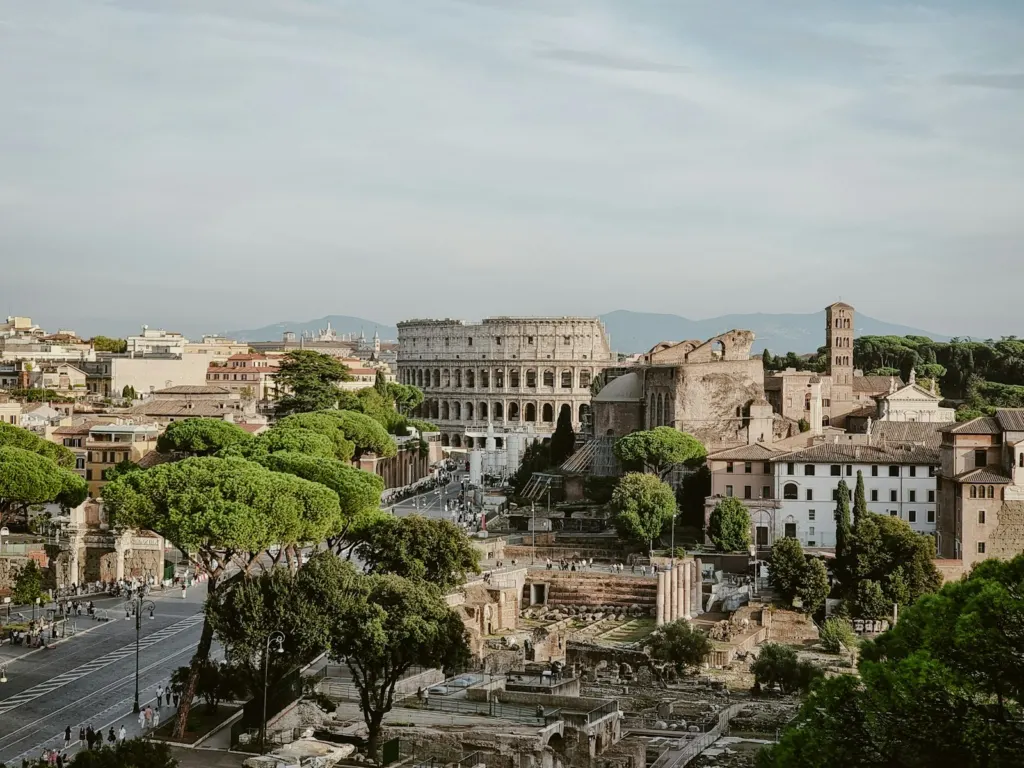
Three days is enough to see Rome’s major monuments without rushing and to leave a little space for wandering. The best 3-day itinerary groups sights by area: day one is ancient Rome (Colosseum, Forum, Palatine and the Capitoline Hill), day two is the Vatican, and day three is the Borghese Gallery, Villa Borghese and the baroque centre, ending in Trastevere.
Grouping by area means you spend your time looking and not commuting. Three of the sights need timed tickets, so book the Colosseum, the Vatican Museums and the Borghese Gallery first and then fit everything else around them.
Is 3 days enough for Rome?
Yes for a first visit. Three days covers the headline sights at a comfortable pace, though you will not see every museum or neighbourhood. If you want a slower trip or a day trip, four days or five days gives more breathing room, and how many days in Rome helps you decide. If you have less time, try the 2-day itinerary or the 1-day plan.
The best 3-day Rome itinerary at a glance
| Day | Theme | Main sights | Book ahead |
|---|---|---|---|
| 1 | Ancient Rome | Colosseum, Roman Forum, Palatine Hill, Capitoline Museums | Timed Colosseum, Forum and Palatine ticket |
| 2 | The Vatican | Vatican Museums, Sistine Chapel, St Peter’s Basilica, Castel Sant’Angelo | Timed Vatican Museums slot |
| 3 | Renaissance and baroque | Borghese Gallery, Villa Borghese, Spanish Steps, Trevi Fountain, Trastevere | Borghese slot, dinner |
Day 1: ancient Rome
Start early at the Colosseum, when it is cooler and quieter. The standard ticket is a timed, combined ticket for the Colosseum, Roman Forum and Palatine Hill. If you want deeper access, the Colosseum Underground and Arena Floor tour (from EUR 89) goes below and onto the arena, and for a straightforward timed entry, the Skip-the-Line Entry (from EUR 59) is the simpler choice. Our underground vs arena floor guide compares them, and Colosseum tours lists the rest.
Continue through the Forum and up the Palatine Hill; see the Forum and Palatine page. Have a long lunch in Monti. The afternoon is lighter: the Capitoline Museums sit above the Forum and have a terrace café with a view. Evening: dinner in the centre.
For tips on dealing with crowds and heat, read how to visit the Colosseum, Forum and Palatine without the stress.
Day 2: the Vatican
The Vatican Museums need advance booking and an early start. The Sistine Chapel is included in the same ticket as the museums, and St Peter’s Basilica is a separate free-entry site with a dress code and a security queue. The Vatican Museums and Sistine Chapel Skip-the-Line Ticket (from EUR 49) is an independent option, and the Early Access Tour (from EUR 85) enters before the main crowd. To compare, see early access vs skip-the-line vs private, and for timing, best time to visit the Vatican.
After the Sistine Chapel, visit St Peter’s Basilica and, if energy allows, climb the dome. Walk back via Castel Sant’Angelo for late-afternoon views, and finish with an evening stroll through Piazza Navona. Wear clothing that covers shoulders and knees; our dress code guide has details. Booking steps are in how to book the Vatican Museums.
Day 3: Borghese, the park and the baroque centre
The Borghese Gallery requires a reserved timed slot and sits inside the Villa Borghese park. The Borghese Gallery Guided Tour (from EUR 69) is one option, and Borghese Gallery tickets covers the choices. See the Borghese page for the area. After the gallery, spend the early afternoon in the park, which is meant as a rest.
In the late afternoon, walk to the Spanish Steps and the Trevi Fountain (Trevi and Spanish Steps), then end the trip in Trastevere. A food walk such as the Trastevere Food Crawl (from EUR 79) is a fun way to try several dishes; see also Trastevere.
How long to allow at each major stop
- Colosseum: about 1.5 to 2 hours, longer with an underground or arena-floor visit.
- Roman Forum and Palatine: about 2 to 3 hours together, with little shade.
- Vatican Museums and Sistine Chapel: about 2 to 3 hours for the highlights, plus another hour or so for St Peter’s Basilica.
- Borghese Gallery: the timed slot is limited, so plan around the time on your ticket and check the length on the official page.
- Walks between sights: 10 to 25 minutes in most cases in the centre.
These are planning estimates based on typical visits, not official figures, so add a buffer for queues and security.
How to use this three-day plan
The days are in a deliberate order: ancient Rome first, then the Vatican, then the Renaissance and baroque city. That order builds context. By the time you stand in front of Bernini’s fountains, you have seen the ruins that inspired the architects and the Vatican collections that shaped the Renaissance. If a booking forces you to rearrange, you can swap day one and day three without losing much, but keep the Vatican on a day when you can start early.
Choose your pace
- Relaxed: pick one main sight per morning, a long lunch, and a lighter afternoon. Skip the Capitoline Museums and the Castel Sant’Angelo terrace.
- Standard: follow the plan as written, with lunch breaks and an early dinner each night.
- Packed: add the Pantheon and Piazza Navona on day one’s evening, and the Appian Way or catacombs as a half-day extra. See Appian Way and catacombs.
If the weather is bad
Move the outdoor walking (Forum, Palatine, park) to the day with the best forecast, and keep museum-heavy days for the wet day. The Vatican Museums and the Borghese Gallery are indoors, so they swap easily. In hot weather, do the ruins in the morning only and use the afternoon for air-conditioned museums and churches.
Evenings
Each day ends with dinner in a different area: the centre on day one, around Piazza Navona on day two, Trastevere on day three. If you still have energy, see Rome at night and the best night tours. Where you eat matters, so read where to eat in Rome before you book.
Should I add a day trip with 3 days?
If you want one, swap the park afternoon on day three or trade a whole day for it. The most manageable are Ostia Antica and Tivoli; see the day trips guide. A full day trip is a trade-off: you lose a day of Rome. Most first-timers are better served by staying in the city.
Can I add Pompeii to a 3-day Rome trip?
You can, but it replaces a day. The journey is long, so treat it as a full day with an early start. Read the Pompeii day trip guide and decide whether you would rather add a fourth day. A common compromise is to compress the ancient and baroque days into two and give the third to Pompeii.
Should I book tours or go independently?
Book timed entry for the three main sights in either case. Add a guide where context matters most: the Forum and the Vatican. For the rest, wandering independently works. See are guided tours worth it and skip-the-line explained.
Where should I stay for 3 days in Rome?
Stay near the historic centre or near Termini to make walking and public transport easy. Monti is convenient for day one, and the area near Piazza Navona suits all three days. Our neighbourhood comparison goes through the options.
Practical points
- The metro is limited in the historic centre, so expect to walk and use buses or trams for longer hops. See getting around Rome.
- Taxis are metered and available at ranks.
- Book the big attractions as soon as your dates are fixed.
- If a booking forces you to swap days, keep the Vatican and the Borghese Gallery on days with early timed tickets, since they are the least flexible.
Where to save energy
The most tiring part is the first afternoon, when the heat and the walking add up. Take a break at the Capitoline terrace, and do not feel obliged to visit every museum. On day two, the Vatican Museums are enormous, so choose a few highlights. On day three, the afternoon in Villa Borghese is meant as a rest. In summer, see how to handle the heat.
Is 3 days with a rest day sensible?
If your legs are tired by the second afternoon, it is better to cut one stop than to push through. The sights will still be there on your next visit, and a calmer final day is more enjoyable than a rushed one. A good rule is to plan two anchor activities per day and treat everything else as optional.
Mistakes to avoid
- Booking the Vatican for a Monday after a late Sunday night, when you need an early start.
- Trying to see every room of the Vatican Museums.
- Booking dinner late on day one when you have a 7am start on day two.
- Not checking closing days: the Borghese Gallery is usually closed on Mondays, and many state museums close on Mondays too.
Booking checklist
Book the Colosseum, the Vatican Museums and the Borghese Gallery first, then a table for your Trastevere dinner. Check the official sites (colosseo.it, museivaticani.va and the Borghese Gallery’s official site) for current hours, closing days and ticket rules.
Day 1
- 09:00Colosseum
Arena floor and tiers on a timed ticket
- 11:30Roman Forum and Palatine
Same ticket
- 14:00Lunch in Monti
Local trattoria
- 16:00Capitoline Museums
Statues and the Forum view
- 19:30Dinner
Pasta in the centre
Day 2
- 08:00Vatican Museums
Book the earliest slot
- 11:30Sistine Chapel
Michelangelo's masterpiece
- 13:00St Peter's Basilica
Dome climb if time
- 15:30Castel Sant'Angelo
Terrace views
- 19:00Piazza Navona
Evening stroll
Day 3
- 09:30Borghese Gallery
Pre-booked slot
- 12:30Villa Borghese park
Picnic or stroll
- 15:00Spanish Steps and Trevi
Classic sights
- 19:00Trastevere
Dinner and wandering
What to skip
- Over-scheduling: three major sites a day
- Visiting the Vatican on a Sunday
- Booking dinner at the last minute in Trastevere
More guides like this
Free
Rome tours: the complete guide
Best for First timers5 daysFree
Rome in 5 days
Best for First timers4 daysFree
Rome in 4 days
Best for First timersFrequently asked questions
Is 3 days enough for Rome?
Yes for a first visit. Three days covers the Colosseum area, the Vatican, the Borghese Gallery and the baroque centre at a reasonable pace. You will not see every museum, but you will cover the highlights without rushing.
What is the best 3-day Rome itinerary?
Day one for ancient Rome (Colosseum, Forum, Palatine), day two for the Vatican (museums, Sistine Chapel, St Peter's), day three for the Borghese Gallery, the park, the Spanish Steps, Trevi and Trastevere.
Should I add a day trip with 3 days?
Only if you are happy to lose a day of Rome. Ostia Antica and Tivoli are the most manageable. Most first-time visitors are better served by staying in the city and adding a day trip on a longer stay.
Where should I stay for 3 days in Rome?
Near the historic centre or Termini, so you can walk or use public transport easily. Monti and the Piazza Navona area are popular. Compare neighbourhoods before booking.
Should I book tours or go independently?
Book timed entry for the Colosseum, the Vatican and the Borghese Gallery either way. Add a guide where context matters, such as the Forum and the Vatican, and explore the rest on your own.
Can I add Pompeii to a 3-day Rome trip?
Yes, but it takes a full day because of the long journey. It usually means giving up one of the Rome days or adding a fourth day. Check the day trips guide for how to go.
Keep exploring Rome
Related tours, guides and places.
- Tours and ticketsHalf-day tours in Rome
A half-day tour in Rome runs up to about four hours, enough for one major site or one…
- Tours and ticketsRome skip-the-line tickets
Skip-the-line in Rome means pre-booked, usually timed entry that avoids the ticket-office queue, not a way past security…
- Tours and ticketsBest Small-Group Tours in Rome
A small-group tour in Rome keeps numbers low enough to hear the guide and move through crowded sites….
- DestinationColosseum
The Colosseum was begun by Emperor Vespasian around AD 70-72 and opened by his son Titus in AD…
- DestinationVatican City
Vatican City is an independent state inside Rome, home to St Peter's Basilica and Square and the Vatican…
- DestinationBorghese Gallery & Villa Borghese
The Galleria Borghese holds Bernini, Caravaggio and Canova masterpieces in a villa in Rome's Villa Borghese park. Here…