
Free
Rome, Italy
Rome tours: the complete guide

The best way to choose a Rome tour is to start from the sights that sell out (the Colosseum, the Vatican Museums, the Borghese Gallery), decide how much guiding you want at each, and book those first. Everything else in Rome, from the Pantheon to the fountains, can stay flexible. This guide explains the types of Rome tours, how tickets and “skip-the-line” really work, what drives prices, and where visitors get caught out.
It is a decision guide, not a ranked list. If you want our shortlist, go to best tours in Rome; if you want to browse everything, use the full tours and activities page. For how we choose what to list, see how we rank.
The types of Rome tours
Almost every Rome tour falls into one of a handful of types. Knowing which type you are looking at tells you most of what you need to know about price, pace and value.
Ticket-only entry
A timed entry ticket with no guide. You get the reservation and walk in at your slot. This is the cheapest way to see a major site and works well if you like to read, use an audio guide, or simply wander. The skip-the-line tickets page and the skip-the-line category list these.
Guided small group
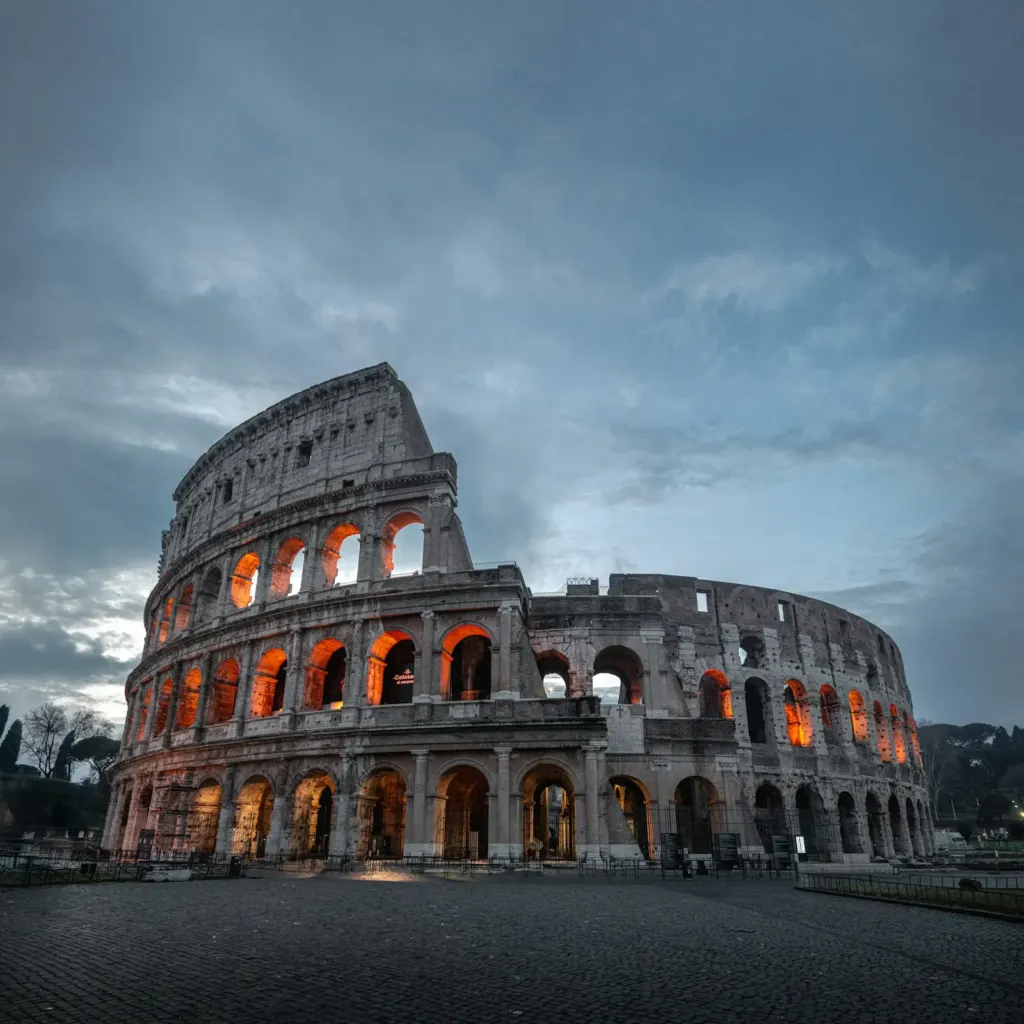
A licensed guide leads a group through a site, often with a headset system in larger sites. Group sizes vary a lot by operator, so read the listing. This is the most common format at the Colosseum and the Vatican, and it is where a guide adds most: both sites are confusing without context. See the Colosseum tours and Vatican Museums tours hubs.
Private tours
Only your party, with a pace and route you can adjust. Useful for families, mobility needs, special interests, or if you simply dislike groups. It costs more per tour but can work out reasonably per person for four or more. Start at private tours in Rome or the private tours category, and see family tours in Rome if you travel with children.
Walking tours and neighbourhood walks
Two to three hours on foot, often with no entry fees because they stay outside. These suit Trastevere, the Jewish Ghetto, the centre by night and similar areas. Compare them in best walking tours, best night tours and the city walks category.
Food, wine and cooking experiences
Tastings and classes, usually in the evening or around a market. The food is usually part of the price, so they replace a meal rather than add to one. See best food tours, the Trastevere food tour hub, cooking classes and the food and wine category.
Day trips
Long days out of Rome, by coach, train or private driver. Pompeii, Orvieto, Florence, Tivoli and Ostia Antica are the usual ones. The day trips category lists them all; see below for how to judge them.
Transport-style and novelty tours
Hop-on hop-off buses, Vespa rides, golf carts and e-bikes. These are about getting around and having fun rather than depth. See hop-on hop-off bus Rome and Vespa tours. For something different, try unique tours in Rome or romantic tours.
Are guided tours worth it in Rome?
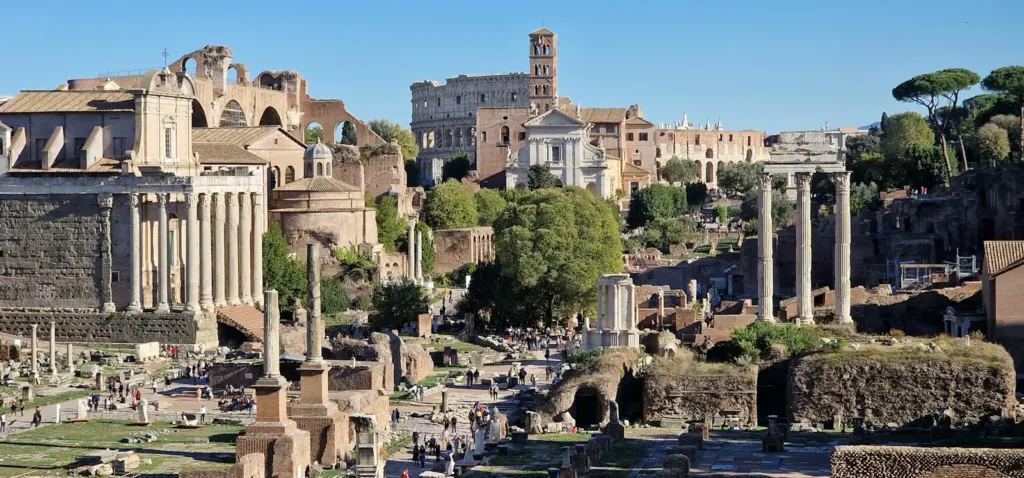
Often yes, but not everywhere. A guide earns their fee where the site is large, layered and poorly signed: the Roman Forum, the Vatican Museums, the catacombs, Ostia Antica. At those places a guide turns a pile of stones or a very long corridor into a story. A guide adds little at places that are visual and compact, such as the Pantheon interior, the Trevi Fountain, or a single-room gallery where a good audio guide is enough.
A rough decision rule: if it is your first visit and the site is huge, take a guide; if you have been before, are short on money, or the site is small, take a ticket-only option. We go deeper in are guided tours in Rome worth it.
Group tour or private tour?
| Format | Pace | Flexibility | Cost logic | Best for |
|---|---|---|---|---|
| Large group | Fixed, moves with the slowest | None | Lowest per person | Budget-focused first-timers |
| Small group (check the stated maximum) | Fixed but personal | Some questions and stops | Mid-range | Most visitors |
| Private | Yours | High: route, length, topics | Highest per tour, shared by your party | Families, groups of 4+, accessibility needs |
| Self-guided with ticket | Yours | Total | Lowest | Repeat visitors, independent travellers |
The “small group” label is not regulated, so look for the actual maximum group size in the listing. If it is not stated, treat it as a warning sign. Our small group tours page is the place to start.
What “skip the line” really means
At Rome’s big sites, “skip-the-line” almost never means you walk past everyone for free. It means you hold a reserved, timed ticket and enter through the ticket-holder lane instead of queuing to buy. You still pass security, and there can be a short wait at your time slot. The Colosseum’s official site says its Colosseum entry is for a scheduled time slot, while the Forum and Palatine part is non-scheduled, and that tickets are issued in the holder’s name with ID checked at the entrance. Our skip-the-line explained page covers what is and is not skipped.
Two practical consequences. First, a missed slot can mean a lost ticket, so arrive 15 to 20 minutes early. Second, a “skip-the-line” ticket does not shorten the security check at St Peter’s Basilica, which is free to enter and has a separate queue that no ticket removes.
What to book first, and how early
Book in order of how quickly slots disappear:
- Colosseum. Timed entry. The official Colosseum site says reservations with a compulsory time slot open 30 days before the visit date, so check when your dates unlock and book as soon as they do in busy months. Start at Colosseum tours or the Colosseum and ancient Rome category.
- Vatican Museums and Sistine Chapel. One ticket covers both. According to the Vatican Museums’ official hours page, the museums are open Monday to Saturday and closed on Sundays except the free last Sunday of the month, which is extremely crowded. See Vatican Museums tickets and tours and the Vatican Museums category.
- Borghese Gallery. Timed, reserved slots in a small gallery. See Borghese Gallery tickets.
- Castel Sant’Angelo. Less pressured, but easy to combine with the Vatican day. See Castel Sant’Angelo tickets.
- Catacombs. Guided-only visits underground, so groups are time-limited. See Rome catacombs tour.
- Day trips. Book once your Rome sightseeing days are fixed. See below.
Everything else can wait until you arrive: the Pantheon, Trevi Fountain, Piazza Navona, the Spanish Steps and most churches do not usually need advance tickets for ordinary visits (check current details for the Pantheon and individual churches, which may charge or limit entry at times).
Pricing logic: why two similar tours cost different amounts
Price differences between tours that look alike usually come from five things:
- Entry fee included or not. A low headline price may exclude the site ticket, which you then buy separately. Read the “included” list.
- Group size. Smaller groups cost more per person.
- Guide credentials and language. Licensed local guides and specialist subjects cost more than generic commentary.
- Access level. Arena floor, underground levels, early or after-hours access sit above standard entry. See Colosseum Underground and Arena Floor, from EUR 89.
- Duration and logistics. Transport, meals, drinks and tastings change the total.
Examples from our own listings, which show live prices on each tour card: a Colosseum, Forum and Palatine skip-the-line entry starts from EUR 59, the Vatican Museums and Sistine Chapel skip-the-line ticket from EUR 49, and a private highlights tour with a local guide from EUR 349. Prices are indicative; the tour page shows the current price and what it includes.
Costs outside the tour price add up too: official booking fees on entry tickets, headset rental on some tours, tips for guides (optional), and transport to meeting points. Check each listing for what is included.
Timing: season, time of day and day of the week
Rome is busiest from spring through early autumn, with peaks around Easter and in the summer months. In July and August, midday heat makes outdoor sites like the Forum and Palatine hard work, so book early morning or late afternoon slots. Winter is quieter, with shorter days and some reduced hours.
Within a day, first entries are generally the calmest and coolest. Within a week, remember Monday closures at many state museums and the Vatican’s Sunday closure. Opening days and hours change, so always check the official sites before you lock plans. Evening tours, such as the Rome by Night walking tour, from EUR 39, or a Tiber river sunset cruise, from EUR 29, give you something to do when museums are closed. See night and sunset tours.
Day trips from Rome: how to judge them
Day trips look simple but vary hugely in how much of the day is travel. Pompeii is a little over two hours each way from Rome by train via Naples, so a full-day tour is close to 12 hours (our listing is 12 hours). The Amalfi Coast is longer and rushed, usually 12 to 14 hours, and best treated as a taster. Orvieto, Tivoli and Ostia Antica are shorter and easier. Florence is feasible by high-speed train but is a very long day. Compare options at Pompeii day trip from Rome, Amalfi Coast day trip and the destination guides for Pompeii, Orvieto, Tivoli, Ostia Antica and Florence.
If you are arriving by ship, Civitavecchia is well over an hour from central Rome, so factor in the return time before booking anything.
Scams and bad deals to avoid
- Street touts selling “skip-the-line” near the Colosseum. Unofficial sellers outside the monuments often charge a premium and may sell tours with no real access benefit. Book in advance.
- Look-alike ticket sites. The Vatican Museums’ official site warns that only its own ticket domain sells tickets directly online, and that imitation domains may charge much higher prices. Check the address before you pay.
- “Free” tours that pressure you into buying. Tip-based walks can be fine, but avoid anyone who steers you into a shop or restaurant.
- Costumed “gladiators” and photo posing. Photos are not free once taken.
- Rose and bracelet handouts. Politely decline and keep walking.
- Unlicensed guides. Ask whether the guide is licensed, particularly for private tours.
- Unclear cancellation terms. Look for a free-cancellation window and the exact cut-off time.
Matching tours to your trip
- First visit, two or three days: a Colosseum, Forum and Palatine entry or guided walk, a Vatican Museums ticket, and one evening walk. Use our 2-day or 3-day itinerary as the frame.
- Four or five days: add the Borghese Gallery, the catacombs or Appian Way, and one long day trip. See 4 days and 5 days.
- Families: choose shorter, interactive tours and avoid back-to-back museums. See family tours in Rome.
- Couples: sunset, river and food experiences. See romantic tours.
- Cruise passengers: time is fixed by the ship, so private transfers or tightly timed tours make sense. See Civitavecchia to Rome.
- Food-first travellers: build your trip around market and tasting tours, then add one landmark per day.
One more check before paying: read the cancellation terms, the meeting point and the language of the tour. A small mismatch (a different meeting point from your hotel area, or a language you did not expect) is the commonest reason a good tour goes wrong. Confirm the start time, the meeting point and a contact number the day before.
How our tours and affiliate links work
Rome Tourz is an independent guide and booking site. Some listings are our own tours, some are operator listings, and some links lead to partner platforms, where we may earn a commission at no extra cost to you. That does not change the order we show: see how we rank, the affiliate disclosure and our editorial policy.
A simple booking checklist
- Fix your dates, then read how many days in Rome if unsure.
- Book the Colosseum, Vatican and Borghese slots first.
- Choose guided or ticket-only for each, using the rule above.
- Read “included”, group size, meeting point and cancellation terms.
- Add one evening experience and one food experience.
- Save booking confirmations offline and check the meeting point the night before.
Need a day-by-day structure? Try the one-day itinerary, the three-day plan or our things to do in Rome guide. If you want help choosing your neighbourhood, read where to stay in Rome.
Check current details: prices, opening days, booking windows and entry rules change. Confirm them on the Colosseum Archaeological Park site (colosseo.it), the Vatican Museums site (museivaticani.va) and the tour page before you book.
More guides like this
5 daysFree

Rome in 5 days
Best for First timers4 daysFree

Rome in 4 days
Best for First timers2 daysFree
Rome in 2 days
Best for First timersFrequently asked questions
What types of tours are there in Rome?
The main types are ticket-only entry, guided small-group tours, private tours, walking tours, food and wine experiences, day trips, and transport-style tours such as hop-on hop-off buses or Vespa rides. The right choice depends on the site and how much explanation you want.
Are guided tours worth it in Rome?
They are most useful at large, layered sites like the Roman Forum, Vatican Museums and catacombs, where context makes a big difference. At compact or visual places a ticket and an audio guide may be enough.
Which tours should I book in advance in Rome?
Book the Colosseum, the Vatican Museums and Sistine Chapel, and the Borghese Gallery first, because they use timed entry and fill up. Catacombs and day trips come next. The Pantheon, fountains and most churches need no booking.
How much do tours in Rome cost?
Entry-only tickets are the cheapest, guided small-group tours cost more, and private tours cost the most per tour. Our listings show live from-prices on each tour card; check what is included, such as entry fees and tastings, before comparing.
Group tour vs private tour in Rome?
Group tours cost less per person and suit most first-timers. Private tours cost more but give you control of pace and route, and can be good value for families or groups of four or more.
Does skip-the-line mean no queue at all?
No. It means you hold a reserved timed ticket and use the ticket-holder entrance instead of queuing to buy. You still pass security and may wait briefly at your slot.
Is it safe to buy tickets from sellers near the Colosseum?
It is better not to. Book online in advance from an official site or a trusted seller. Unofficial street sellers often charge more and may not offer real access benefits.
Keep exploring Rome
Related tours, guides and places.
- Tours and ticketsBest Tours in Rome
The best tour in Rome depends on what you want from it, but for most first-time visitors a…
- Tours and ticketsHalf-day tours in Rome
A half-day tour in Rome runs up to about four hours, enough for one major site or one…
- Tours and ticketsRome in winter
Rome in winter is mild by northern standards, damp at times and far less crowded outside the holiday…
- DestinationColosseum
The Colosseum was begun by Emperor Vespasian around AD 70-72 and opened by his son Titus in AD…
- DestinationVatican City
Vatican City is an independent state inside Rome, home to St Peter's Basilica and Square and the Vatican…
- DestinationPantheon & Piazza Navona
The Pantheon is Rome's best-preserved ancient building and Piazza Navona a Baroque square on the site of a…