Rome in winter is mild by northern standards, damp at times and far less crowded outside the holiday weeks. Pack layers, book indoor highlights for rainy hours, and enjoy the Christmas season and shorter queues.
Some booking links are affiliate links. If you book through them we may earn a commission at no extra cost to you, and it never changes our ranking. Read the disclosure.
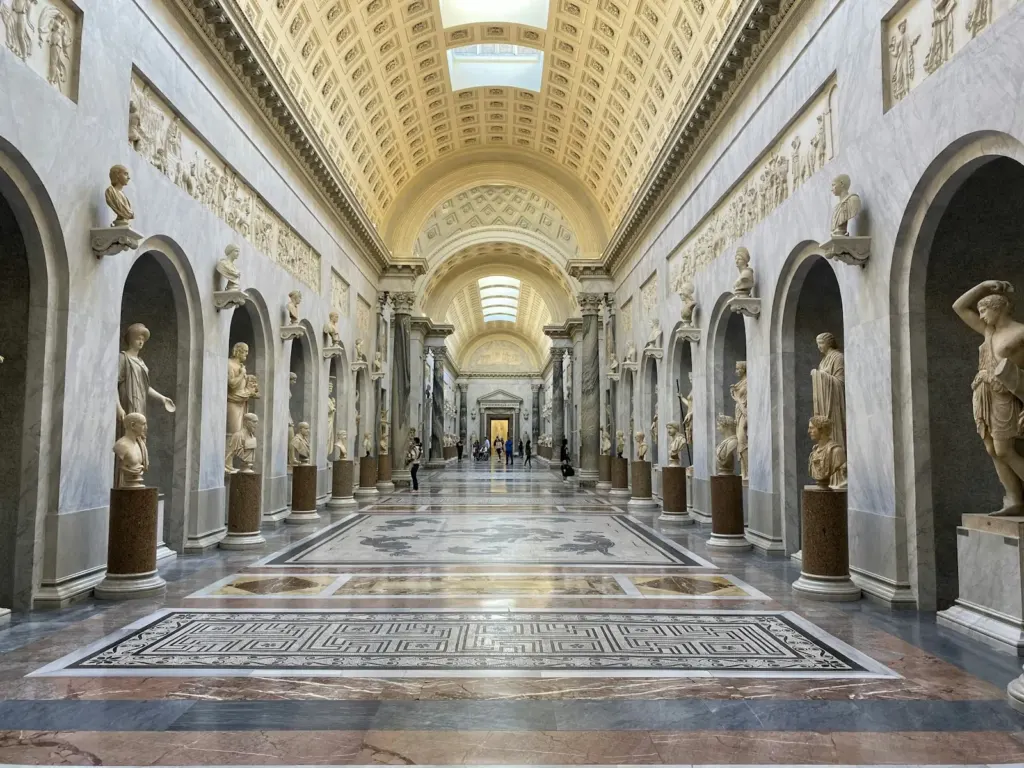
Why we picked it: A 3.5-hour guided Vatican Museums visit starting before regular opening hours, with the Raphael Rooms, Gallery of Maps and Sistine Chapel. Early-access ticket, guide and headsets are included, for up to 15 guests. Free cancellation applies up to 24 hours before.
Best for: First-timers and history fans who would trade an early start for fewer crowds.
Why we picked it: A 3-hour late-morning guided visit to the Vatican Museums, Raphael Rooms and Sistine Chapel with priority entry and headsets, limited to 10 guests. St Peter's Basilica entry is not included. Free cancellation applies up to 24 hours before for a full refund.
Best for: Couples and history fans who want a guide in a smaller group.
Small group, max 10
Priority entry and guide included
Full refund if cancelled 24 hours before
St Peter's Basilica entry not included
Higher price than the ticket-only option (from EUR 79)
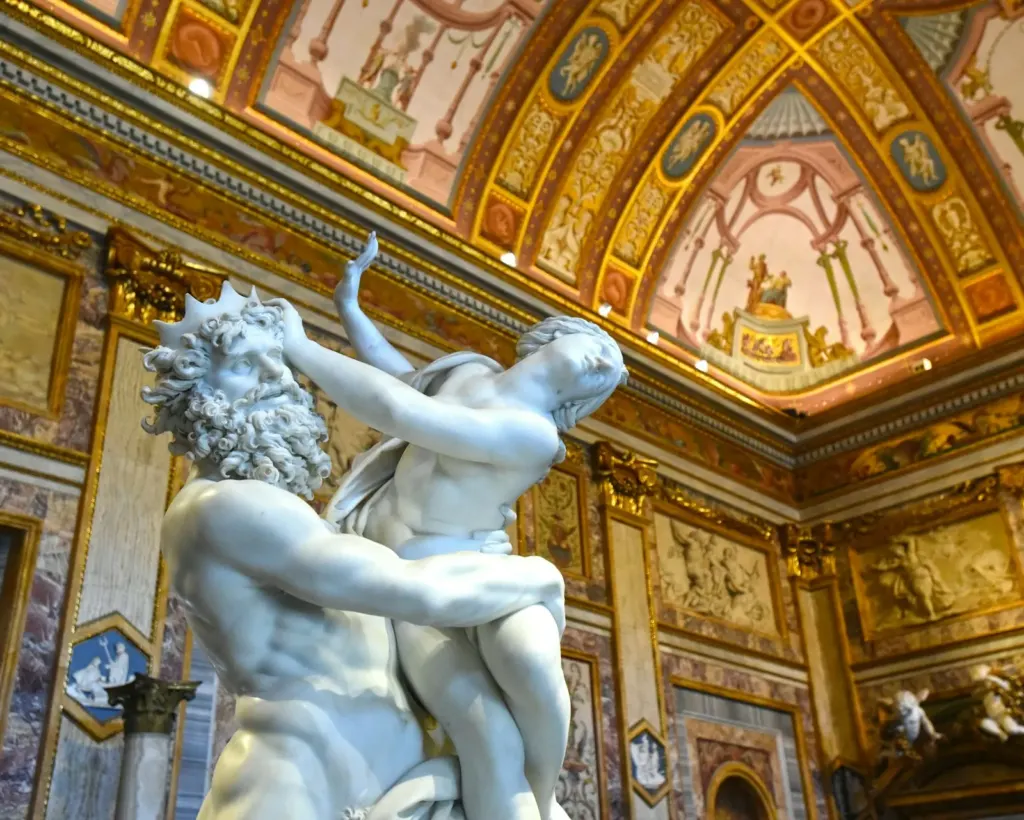
Why we picked it: A 2-hour guided visit to the Borghese Gallery with a timed-entry ticket, headsets and a group of up to 12. The listed highlights are Bernini's sculptures and Caravaggio's paintings. Free cancellation applies up to 48 hours before the entry slot.
Best for: Couples and history fans who want art with context in a short visit.
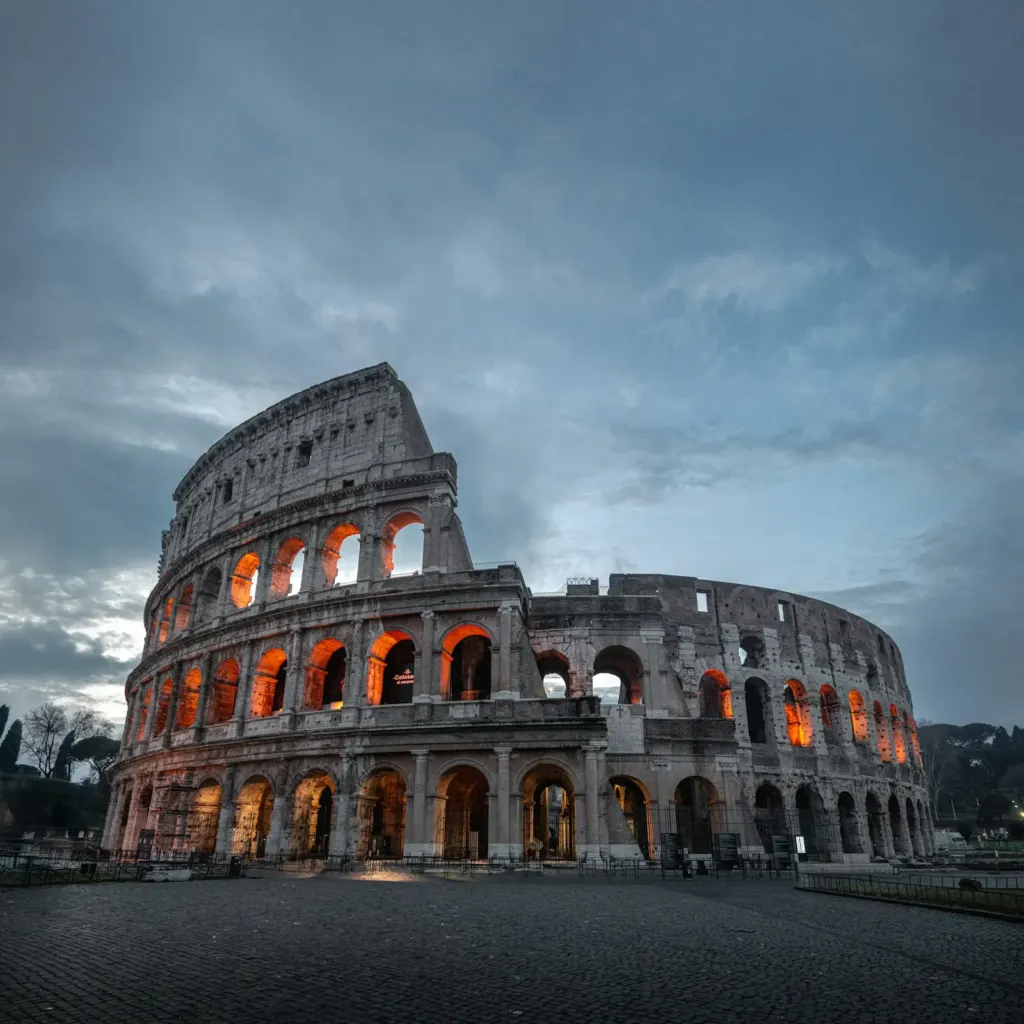
Why we picked it: A 3-hour guided Colosseum visit with priority entry and access to the underground chambers and arena floor, with Forum views from the upper level. Ticket, guide and headsets are included, for up to 12 guests. Free cancellation applies up to 24 hours before.
Best for: First-timers and history fans who want to see the underground and arena floor.
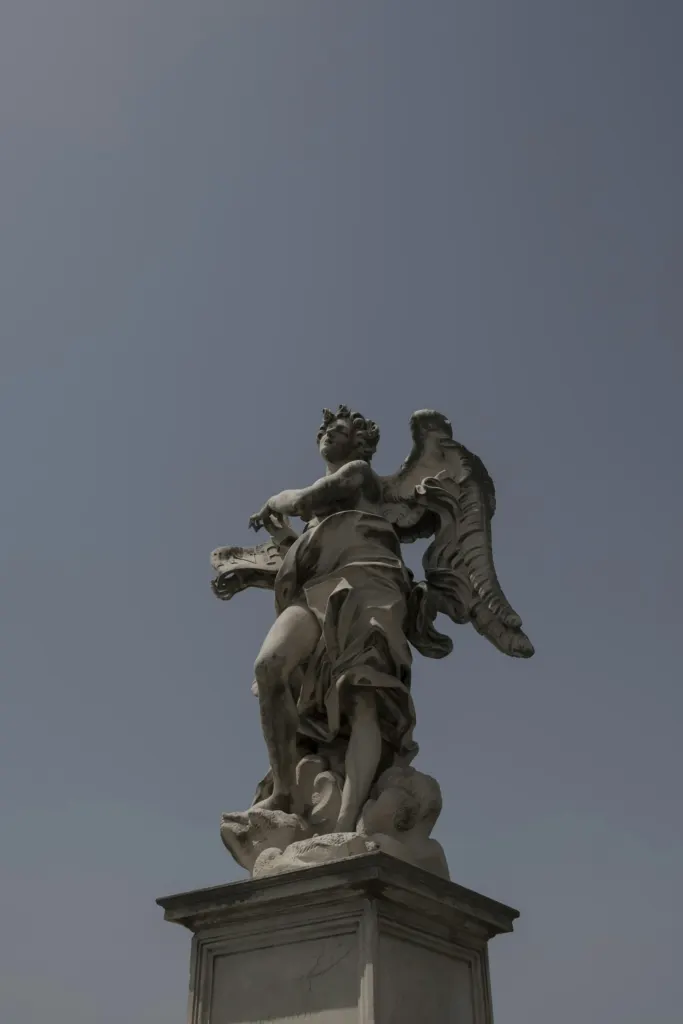
Why we picked it: Skip-the-line entry to Castel Sant'Angelo, with a short introduction and an audio guide. The visit covers the papal apartments and the rooftop terrace with views over Rome. It lasts about 2 hours and cancels free up to 24 hours before.
Best for: First-timers and history fans who want a compact visit with a view.
Skip-the-line entry
Audio guide and short introduction included
Free cancellation up to 24 hours before the visit
Transport and food not included
Historic building, so check access needs before booking
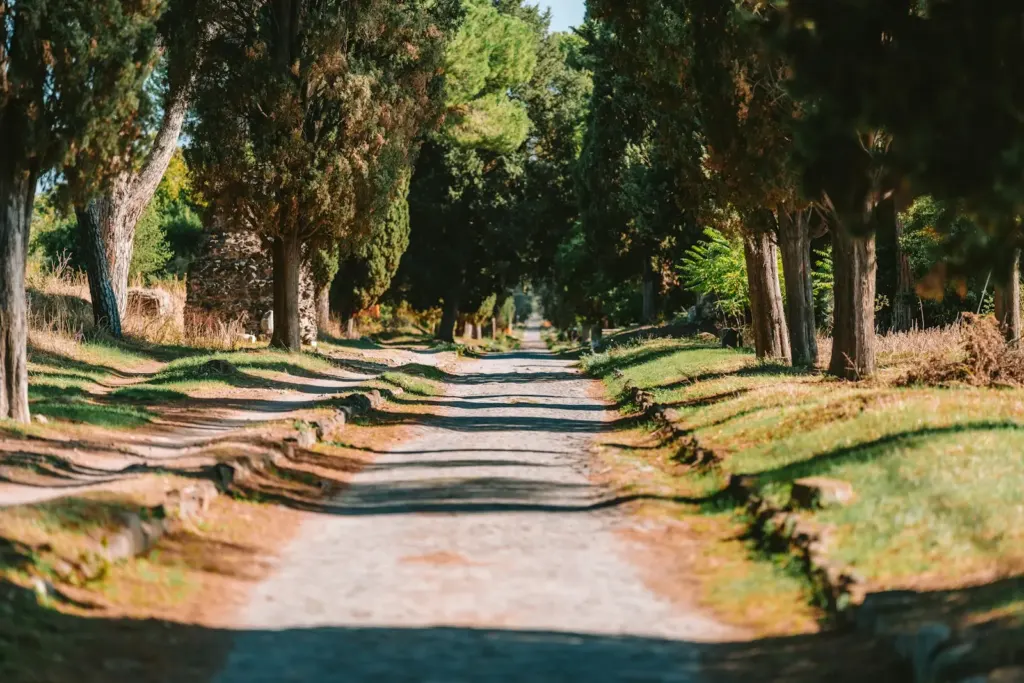
Why we picked it: A 2.5-hour guided visit to a catacomb site on the Via Appia Antica, with early Christian frescoes and symbols and headsets. Entry is included and hotel pickup is listed. Free cancellation applies up to 24 hours before.
Best for: Couples and history fans who want a cooler, quieter side of Rome.
Entry ticket and guide included
Cool underground, a break from summer heat
Free cancellation up to 24 hours before
Underground passages can mean steps and uneven floors
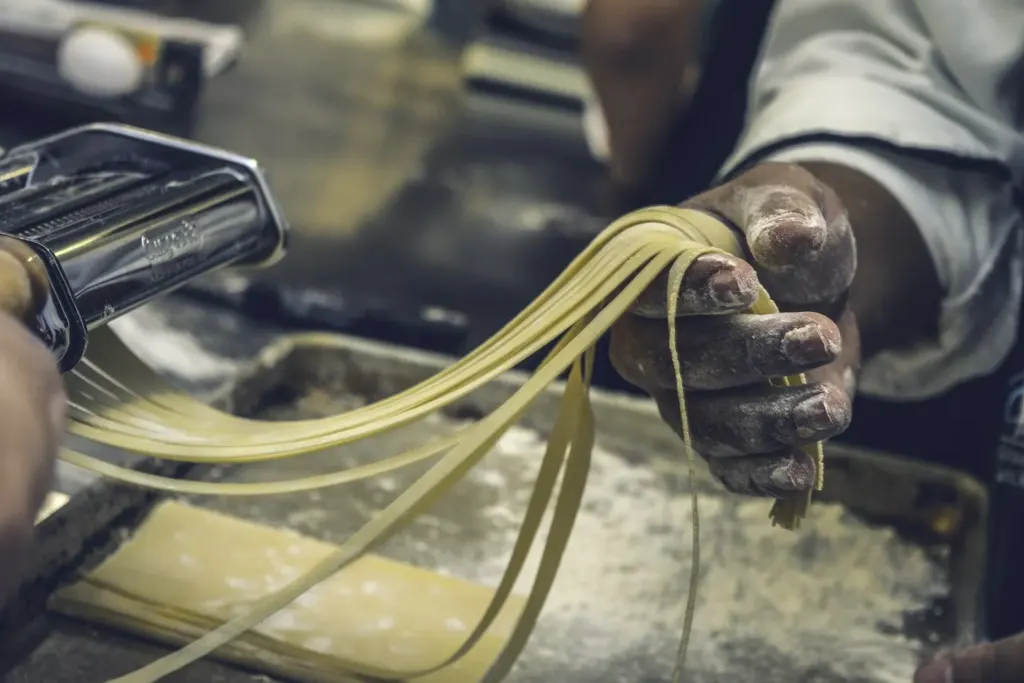
Why we picked it: A 3.5-hour hands-on class in Testaccio where you make fettuccine, ravioli and tiramisu, then eat the meal with wine. Ingredients, a local chef and recipes to take home are included, for up to 12 guests aged 8 and over. Free cancellation applies up to 48 hours before.
Best for: Couples, families and food lovers who want to learn a skill, not just taste.
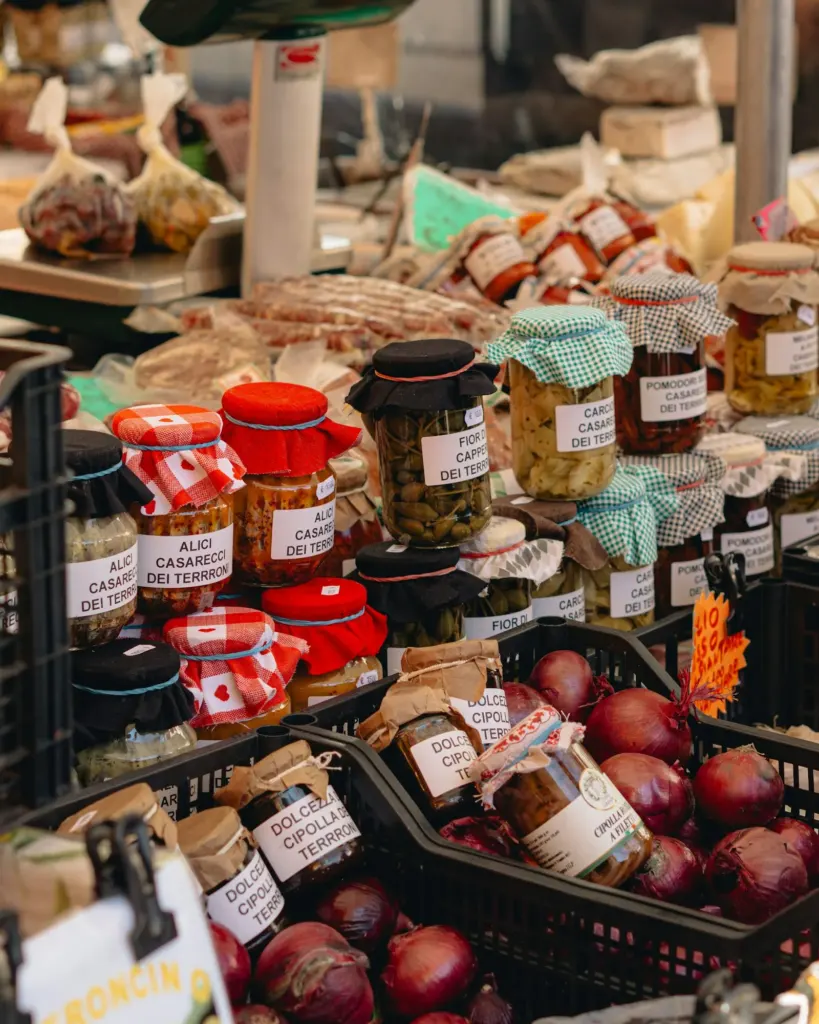
Why we picked it: A 3-hour late-morning visit to Testaccio Market and the surrounding neighbourhood, built around tastings and classic Roman pasta. Guide and tastings are included, with a maximum of 10 guests and a minimum age of 10. Free cancellation applies up to 24 hours before.
Best for: Food lovers and history fans who want to eat their way through one local market.
Tastings and guide included
Small group, max 10
Free cancellation up to 24 hours before
Minimum age 10, so suitable for some older children
Drinks not included
Best on an empty stomach, as tastings can add up to a large meal
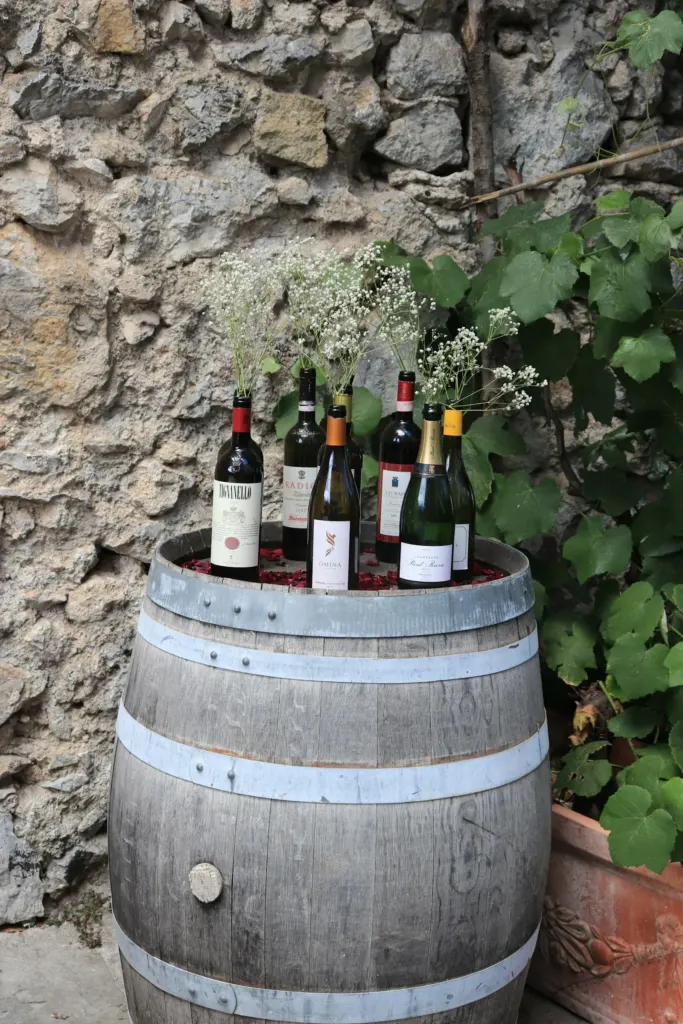
Why we picked it: A 2-hour evening tasting of five wines from Lazio and beyond, with a cheese and cured meats platter, led by a sommelier in Testaccio. Groups are capped at 12 and the minimum age is 18. Free cancellation applies up to 24 hours before.
Best for: Couples and food lovers who want a relaxed evening in one place.
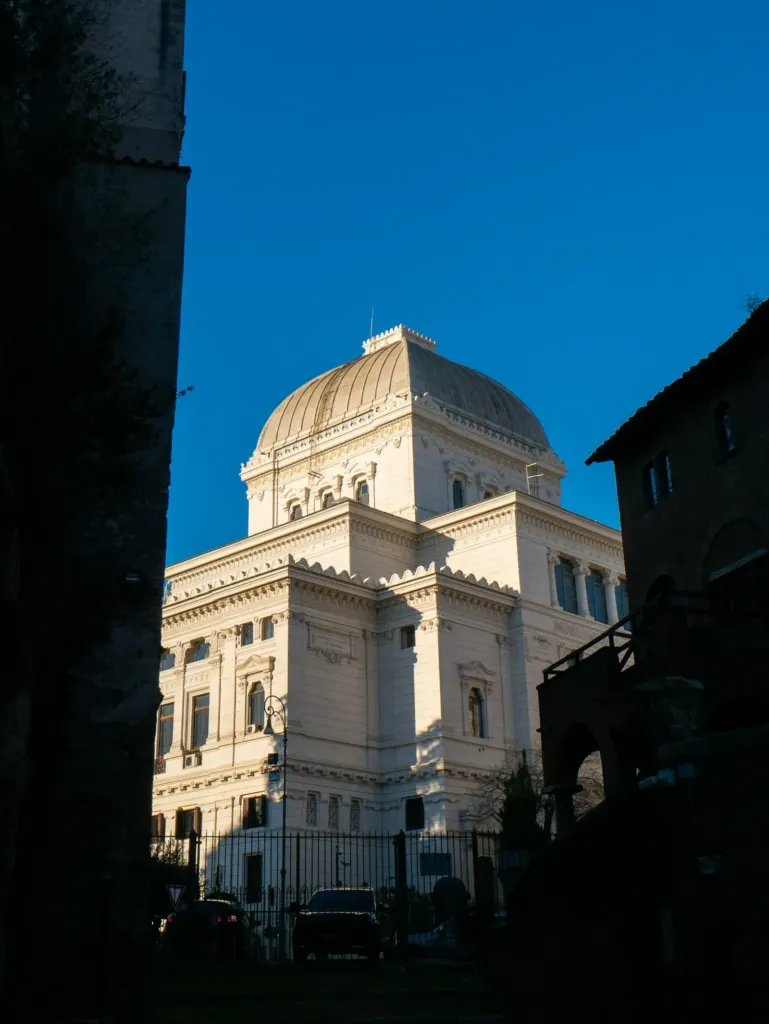
Why we picked it: A 3-hour late-morning walk through the Jewish Ghetto, starting at Portico d'Ottavia, mixing the district's history with Roman-Jewish cooking tastings. Guide and tastings are included, for up to 12 guests aged 8 and over. Free cancellation applies up to 24 hours before.
Best for: Food lovers and history fans who want context and tastings in one walk.
Why we picked it: A 2.5-hour evening walking tour from the Spanish Steps, passing the Trevi Fountain, Pantheon exterior and Piazza Navona. A local guide and headsets for busy areas are included, for up to 16 guests. Free cancellation applies up to 24 hours before.
Best for: Couples and photographers who prefer sightseeing after the day crowds ease.
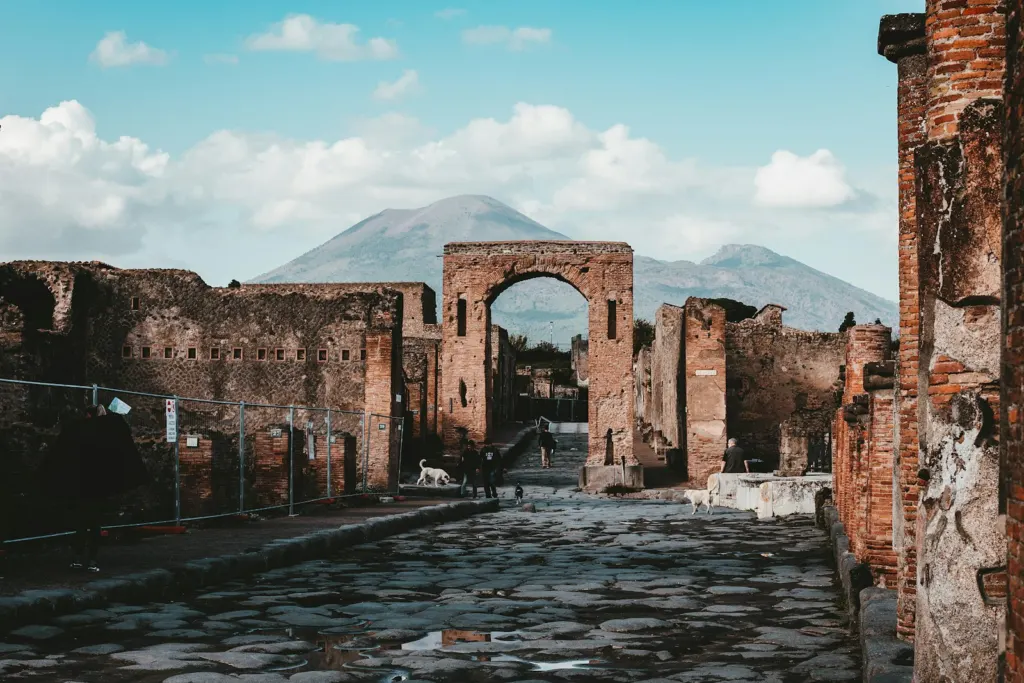
Why we picked it: A 12-hour day trip from Rome to Pompeii, with site entry, a guided walk and return transport included. Hotel pickup and skip-the-line entry are listed, and there is time to explore at your own pace. Free cancellation applies up to 48 hours before.
Best for: First-timers and history fans who want Pompeii without arranging trains.
Site entry, guide and transport included
Small group, max 20
Free cancellation up to 48 hours before
Long day (12 hours)
Early morning departure
Lunch and the optional Vesuvius add-on not included
Is Rome worth visiting in winter? Yes. Winter is a good time to see Rome: the weather is cool and sometimes wet rather than harsh, queues at the big sights are usually shorter outside the Christmas and New Year weeks, and the city has its own seasonal traditions. The trade-offs are shorter days, occasional rain and some holiday closures.
This page covers what to expect from December to February, what changes in winter, and which of our tours suit the season. For other months, see our month-by-month guide to Rome.
Weather: how cold is Rome in winter?
Rome is not an extreme winter destination. According to WeatherSpark’s modelled historical data, typical January daytime highs are around 12°C and lows around 3°C, with other sources giving a broadly similar picture, roughly highs of 8 to 14°C and lows of 1 to 5°C. Expect cool, often bright days, chilly mornings and evenings and occasional cold snaps. Snow in the city is rare.
Rain is the more common problem. Late autumn and winter are among the wetter periods, with roughly 60 to 80 mm of rain in January on most estimates, spread across several days a month. Treat these as approximate figures: for official climate normals, consult the Italian Air Force meteorological service (Aeronautica Militare).
Daylight is short. In December the sun sets before 17:00, so plan outdoor sightseeing for the middle of the day and keep indoor sites for late afternoon. That is also when night walks and illuminated monuments start early.
What to pack
A waterproof jacket or compact umbrella, plus a warm layer you can take off indoors.
Comfortable shoes with grip, as wet cobbles and marble are slippery.
Scarf and gloves for early morning starts and evenings.
Modest clothing for churches and the Vatican: shoulders and knees covered, which fits winter anyway. See the Vatican dress code page.
What changes in winter
Crowds and queues
January and February are typically quieter than spring, summer and early autumn, so ticket slots are easier to find and queues are generally shorter. The exception is the Christmas to Epiphany stretch, when visitors and Italians on holiday fill the centre. If you travel in the holiday weeks, book timed entries earlier and choose first-slot options. Our Vatican timing guide has tactics that apply in any season.
Is the Vatican crowded at Christmas?
It can be busy in the days around Christmas and New Year, but not in the way it is in peak summer. Check the Vatican Museums’ official calendar: the museums close on major religious holidays, and opening hours can change in the holiday period. An early-entry slot is the simplest way to take the edge off the crowd. Compare options in our Vatican early access vs skip-the-line vs private page.
Closures after the holidays
Many museums, restaurants and shops close on 25 December and 1 January, and some small businesses take a break in early January. Epiphany on 6 January is a public holiday in Italy. Always check the official site of any attraction for current opening days and hours.
Prices
Is winter the cheapest time to visit Rome? Often, outside the holiday weeks, accommodation and flights are cheaper than in peak season, though we cannot promise this for your dates. Prices on our tour cards are the same listed prices all year unless a listing says otherwise, so the main saving is on lodging and on time, not on tours.
Things to do in Rome in winter
Christmas markets and traditions
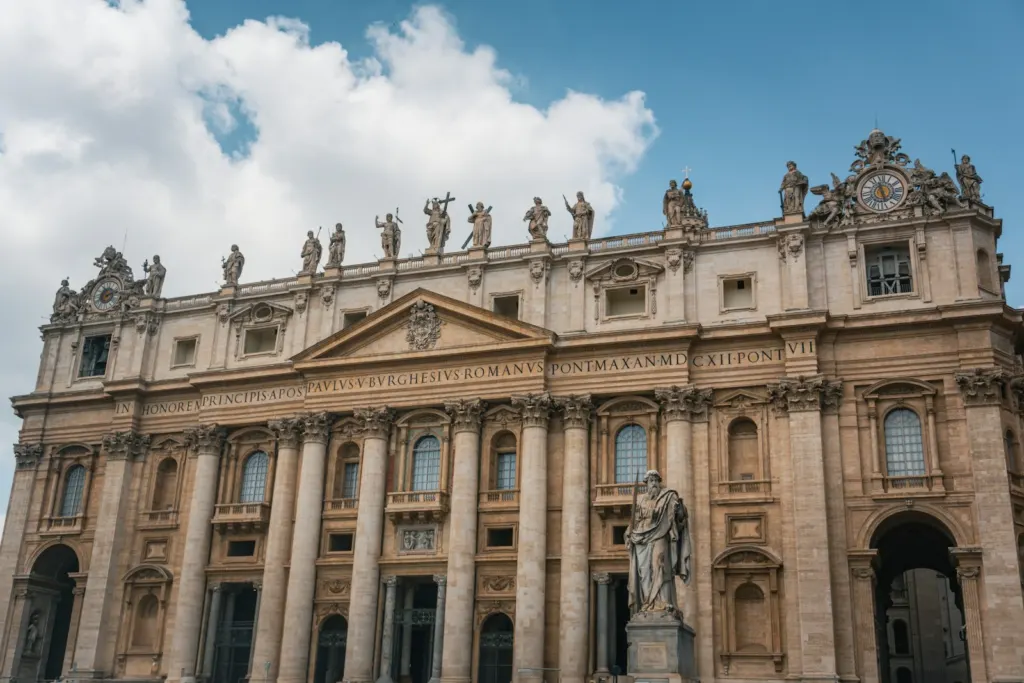
Piazza Navona traditionally hosts a Christmas market that runs through the holiday season to Epiphany on 6 January. St Peter’s Square usually has a large Christmas tree and a nativity scene during the season. Dates and layouts change each year, so check the City of Rome and Vatican announcements before you go.
Ice skating and seasonal events
A temporary ice rink is sometimes set up near Castel Sant’Angelo or elsewhere in the city in the festive period, but dates and locations vary by year. Our Castel Sant’Angelo page covers the site, and the skip-the-line terrace visit is a good wet-weather option.
New Year
New Year’s Eve in Rome typically involves public events and fireworks, with crowds in the centre late at night. If you want a quiet night, book a table early or plan an earlier dinner and walk.
Winter food
Winter is a good season for Roman cooking: hearty pastas, soups and braised dishes, and the first Roman artichokes begin to appear in late winter. The Testaccio market is a good place to taste local produce, covered in our Testaccio guide and the food lovers guide. For an introduction, see eating like a Roman.
Tours that suit winter
We chose tours that are mostly indoors, underground, or short enough to enjoy in cool weather. They are in the list on this page, and here is the reasoning.
Evenings. The night walking tour starts at 20:00 and covers Trevi, the Pantheon exterior and Piazza Navona. Wrap up warmly. More in night tours in Rome.
Day trip. The Pompeii day trip can be a comfortable winter visit because the site is exposed to sun in summer, though a rainy day outdoors is a real risk.
We have left out the Tiber sunset cruise, the Vespa tours and the long coastal day trip from this list because they are outdoor-dependent and best in warmer months. Browse best tours in Rome for more.
Rome in December, January and February
December is the festive month: lights, markets and nativity scenes, and the busiest stretch is the week around Christmas and New Year. Book timed tickets and restaurant tables early, and expect some sites to close on 25 December.
January opens with the holiday crowd, then settles. After Epiphany on 6 January the city feels calmer, and it is often the quietest and best-value time to see the big museums. It is also a typical coldest month, so pack accordingly.
February is similar, with the first hints of spring on bright days and longer light in the evenings. Carnival celebrations take place in Italy around this time, though Rome’s are modest compared with Venice. Check local listings for dates.
Rome at Christmas has a particular character. Church services, the lights on the main shopping streets and the nativity displays in many churches are free to see. If you want to attend a papal event, check the Vatican’s official site, as tickets and access rules for events are separate from museum tickets.
A simple winter plan
Book your big indoor highlight (Vatican or Borghese) for the morning.
Eat a long lunch somewhere warm.
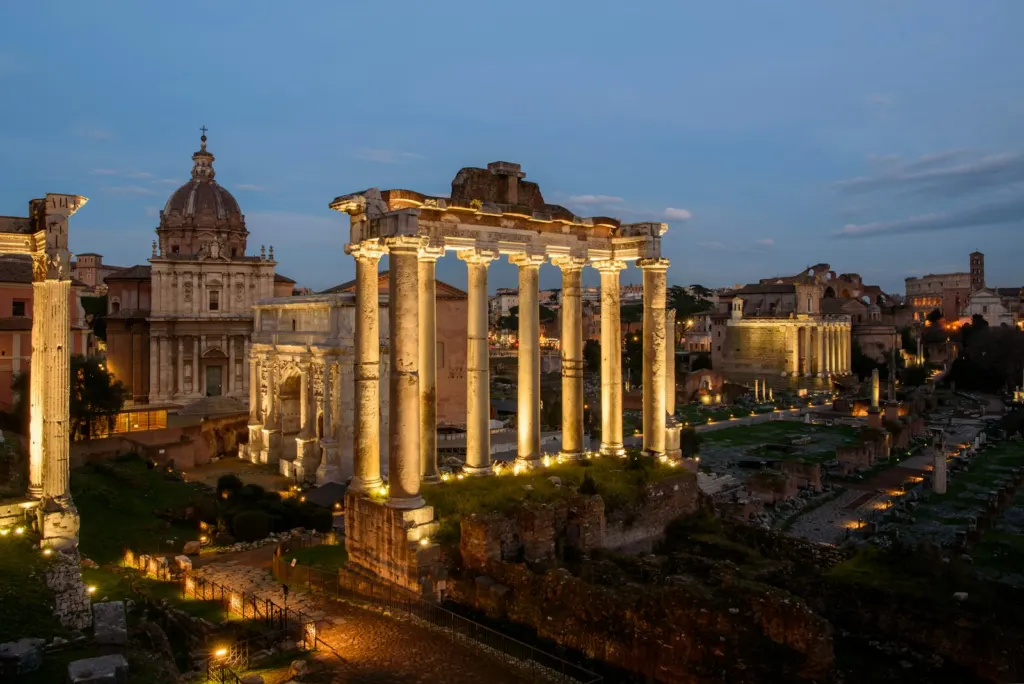
Keep the middle of the day for outdoor sites such as the Forum, while light and temperatures are best.
Assuming it will be warm. Winter evenings can be cold, especially after rain.
Leaving outdoor sights for late afternoon. Daylight ends early.
Not checking holiday closures. 25 December, 1 January and 6 January affect opening hours.
Booking only outdoor activities. Always have an indoor option.
Check current details: event dates, holiday closures, prices and opening hours are set by the organisers and sites concerned, so confirm them on the official sites. See also Vatican City.
Frequently asked questions
Is Rome worth visiting in winter?
Yes. Winter is cooler and sometimes wet, but queues are usually shorter outside the holiday weeks and the city has seasonal traditions. Plan indoor highlights for rainy hours and outdoor sights for midday.
How cold is Rome in January?
Typical daytime highs are around 12°C and lows around 3°C according to WeatherSpark's modelled data, with some sources giving slightly wider ranges. It is cool rather than freezing, and snow is rare. Pack layers and a rain jacket.
What is open in Rome in winter?
Most major sights, museums, shops and restaurants stay open. Closures are common on 25 December, 1 January and sometimes 6 January, and hours can change in the holiday period. Check each official site for current hours.
What are Rome Christmas markets like?
Piazza Navona traditionally holds a festive market through to Epiphany on 6 January, with stalls, toys and sweets. St Peter's Square usually has a tree and nativity scene. Dates and layouts vary each year.
Is the Vatican crowded at Christmas?
It can be busy around Christmas and New Year, but typically less than in peak summer. Booking an early slot helps. Check the Vatican Museums' official calendar for closures on religious holidays.
Is winter the cheapest time to visit Rome?
Often, outside the holiday weeks, lodging and flights are cheaper than in peak season. We cannot promise this for specific dates, so compare prices for your travel dates.