How many days do you need in Rome? Three full days covers the headline sights without constant rushing, and four days is the comfortable choice if you also want the Borghese Gallery, a food walk or a day trip. One or two days works as a taster if you plan carefully. Beyond five days you start adding day trips and neighbourhoods rather than “must-sees”.
Rome needs more time than its map suggests because its big sights are large and each takes half a day: the Colosseum with the Forum and Palatine Hill, the Vatican Museums with St Peter’s, and the Borghese Gallery in its park. Walking between them eats the rest.
What fits in 1 to 5 days
| Days | What fits | Feels like |
|---|---|---|
| 1 | Colosseum area plus the historic centre on foot (Pantheon, Piazza Navona, Trevi) | Rushed, one major interior only |
| 2 | Ancient Rome one day, Vatican plus the centre the other | Tight but workable |
| 3 | Ancient Rome, Vatican, then Baroque centre and Trastevere | Comfortable for first-timers |
| 4 | The three days plus Borghese or a slow day for food and neighbourhoods | Relaxed, most often recommended |
| 5 | Four days plus a day trip (Ostia Antica, Tivoli, Orvieto or a longer excursion) | Gives room to breathe |
Can you see Rome in one day?
You can see its outline, not its detail. With one day, pick a single ticketed interior and spend the rest outdoors. Our practical one-day itinerary shows how to sequence it. If the Colosseum and the Vatican both matter to you, read whether you can do both in a day first, because it is possible but demanding.
Is 2 days enough in Rome?
Two days is enough for a good first look if you book timed entries in advance and accept that you will skip things. Spend one day on ancient Rome and one on the Vatican and the centre. The two-day itinerary lays this out hour by hour.
Is 3 days enough for Rome?
For most first-time visitors, yes. Three days is enough to see the major sights at a humane pace. The usual split is ancient Rome, the Vatican, and a Baroque and Trastevere day. We cover it in Rome in 3 days: ancient, Vatican and Baroque.
Why 4 days is a popular answer
Four days adds slack. It lets you fit the Borghese Gallery, which has reserved timed entry, absorb a rainy day, or simply sit in a piazza. It also lets you place the Vatican on a day that suits its opening pattern. See the four-day plan.
Is 5 days too long in Rome?
No. Five days is where Rome stops being a checklist. You can add a day trip: Ostia Antica is close and Tivoli is within easy reach, while longer excursions to Pompeii, Florence or the Amalfi Coast are full days of travel. Our five-day itinerary shows where a day trip fits best.
What a realistic day looks like
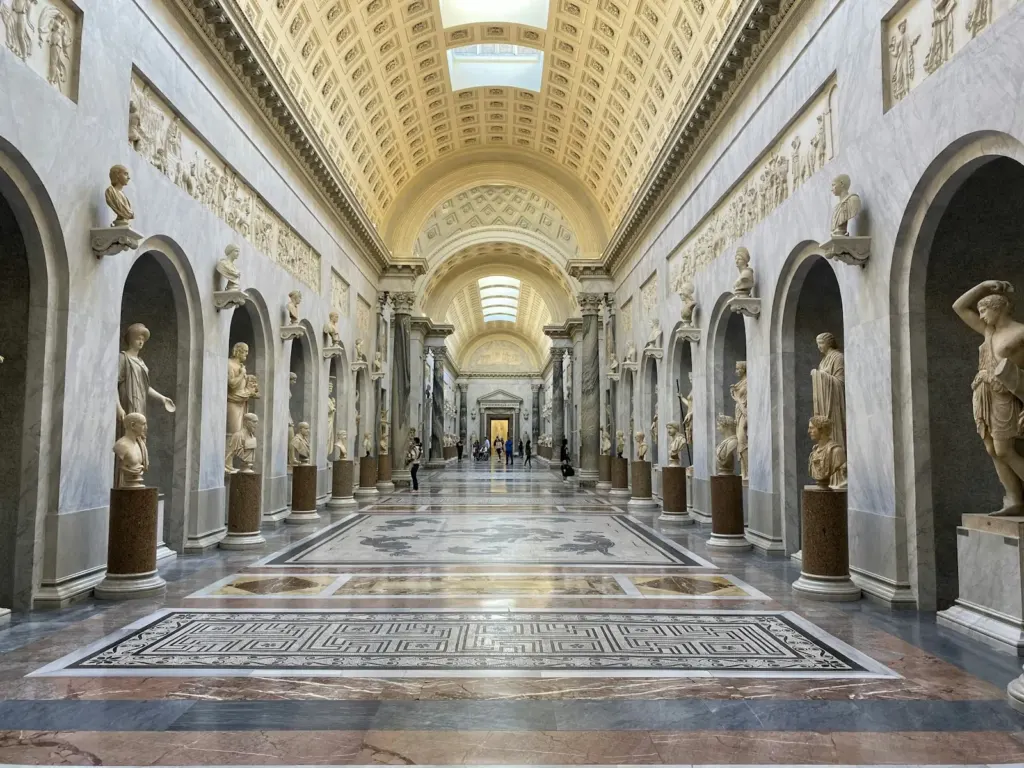
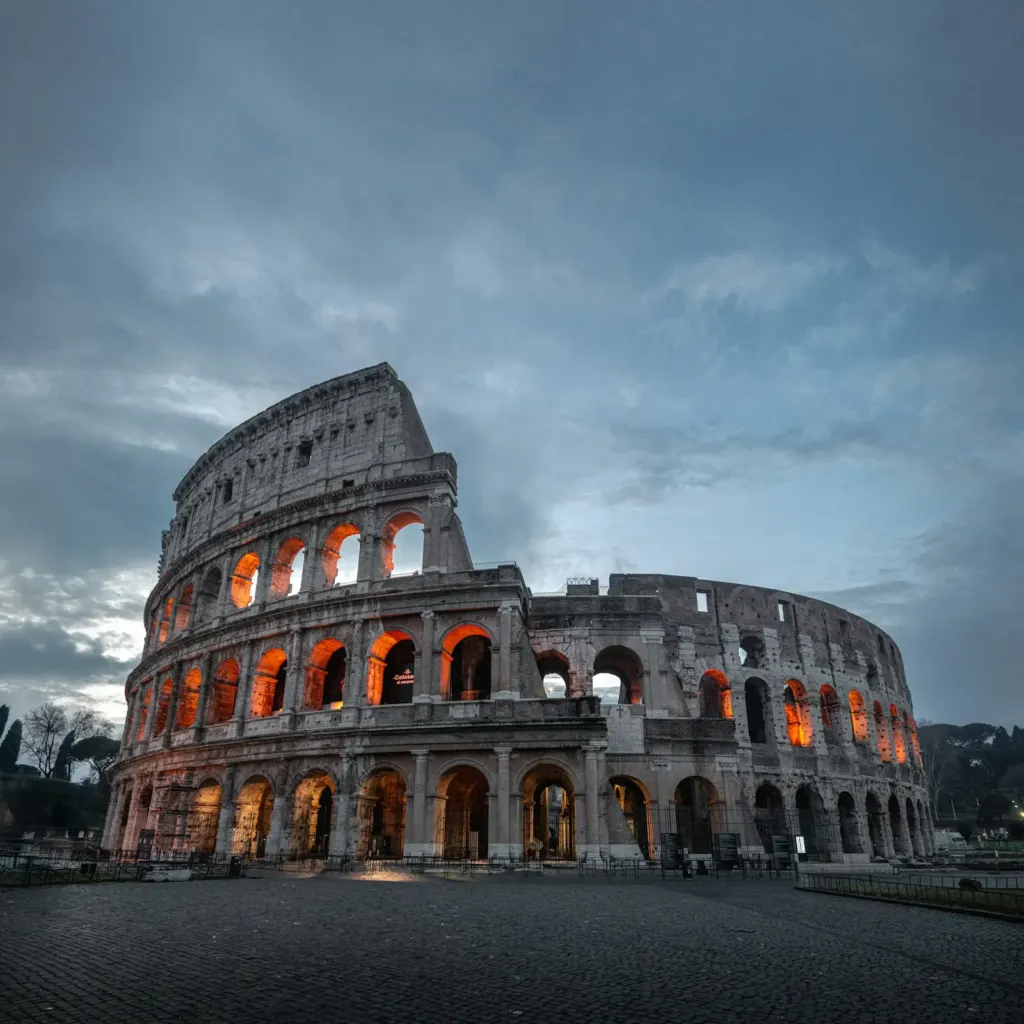
Plan on roughly two major activities per day, one in the morning and one in the afternoon, with a long lunch between them. The Colosseum, Roman Forum and Palatine Hill together are a half-day to a full morning for most visitors. The Vatican Museums and the Sistine Chapel usually take a morning or an afternoon, and St Peter’s Basilica adds more time on top. The Borghese Gallery is a booked slot of about two hours, with Villa Borghese’s park around it. Everything else, such as the Pantheon, Trevi Fountain, Piazza Navona and the Spanish Steps, is a walk rather than a visit.
Distances look small on the map but add up on foot, and the heat, queues and cobbles slow everyone down. That is why one day of plain wandering, with no tickets at all, is often the day visitors remember best.
What a day trip adds
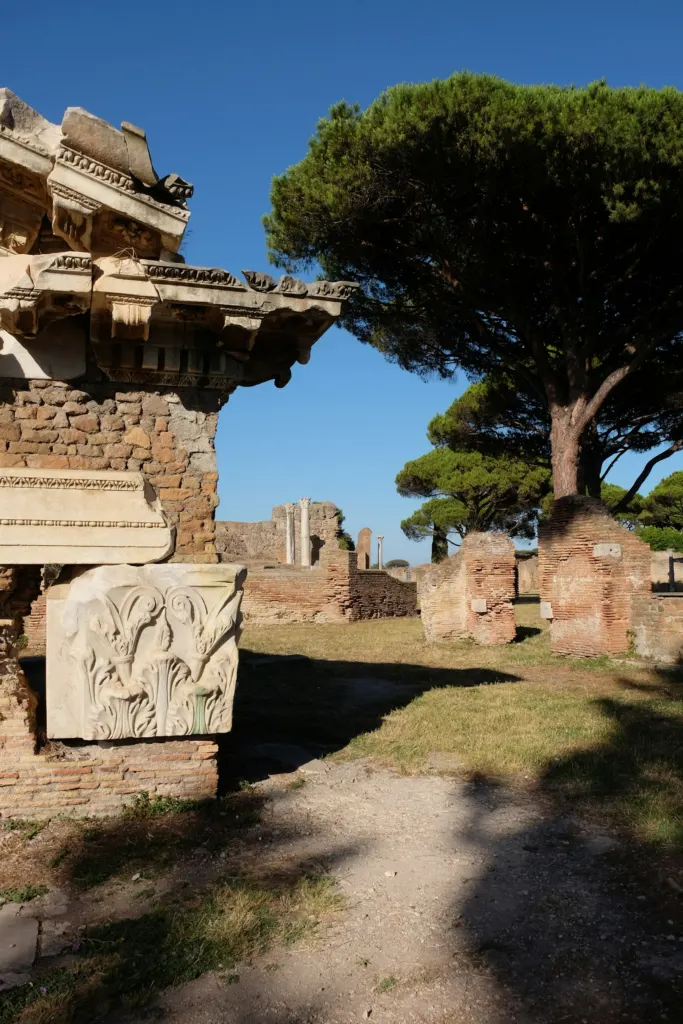
A day trip costs a full day, so decide before you arrive whether you want one. Ostia Antica, the ancient port, is the easiest and can be done in a half-day to a day. Tivoli, with Hadrian’s Villa and Villa d’Este, and Orvieto are comfortable full days. Pompeii, Florence and the Amalfi Coast are possible from Rome but involve several hours of travel each way, so they suit a stay of five days or more rather than a tight three. If you love ruins, the Ostia Antica guided visit is a gentle addition, and the Tivoli day suits a longer stay.
How to choose your length
- Time of year: in July and August the heat shortens your effective day; read how to handle Rome in summer heat and add a day if you need a midday break.
- Travelling with children: allow an extra day and see Rome with kids.
- Interest in food or neighbourhoods: a food-led trip benefits from extra days; try the food lover’s guide.
- Arrival and departure times: count partial days honestly. A midday arrival is half a day, not a full one.
Which days to book first
Because three sights run on timed or reserved entry, lock these before anything else: the Colosseum with Forum and Palatine, the Vatican Museums, and the Borghese Gallery. Then build your free time around them. A useful order is to book the Borghese slot first, since it admits a limited number of visitors per slot, then the Colosseum, then the Vatican. Check each site’s weekly closing day when you pick dates; our Vatican booking guide covers that museum’s pattern, and the Borghese ticket page covers the gallery.
A quick way to decide
- Count your full days, ignoring arrival and departure half-days.
- List the three or four sights you would regret missing.
- Give each of the big three half a day, and add one unplanned day for walking and food.
- If the total is more than your days, drop a sight or add a day. Do not shorten each visit to fit.
As a rule of thumb, first-time visitors who want the big sights and a relaxed pace should book four nights, while those on a tight schedule can still have a good trip in two or three days.
Mistakes to avoid
- Planning an interior visit for every morning and afternoon. Two big interiors a day is a realistic maximum.
- Squeezing a long day trip into a short stay. Pompeii and the Amalfi Coast are long days from Rome.
- Leaving ticket booking until you arrive. Timed entry at the Colosseum, Vatican and Borghese means you should lock times first and fit the rest around them.
Check current details
Closing days differ by site, and some museums close on Mondays. Check each official site when you build your days.