Rome in summer is hot, with afternoon temperatures commonly around 30 degrees C or more in July and August, and little shade at the big ancient sites. The fix is simple: do your outdoor sightseeing before about 11am, spend the hottest hours indoors or resting, and use the evenings, when the city is at its best.
That rhythm is how Romans live in summer, and it works for visitors too. Below is a practical plan, from how to structure a day to what to wear, what to book and how to stay safe. If you are still choosing dates, compare seasons in the best time to visit Rome.
How hot does Rome get in July and August?
Expect hot, bright days, often with highs around 30 degrees C and sometimes well above during heatwaves. Stone, paving and ruins hold heat, so it feels hotter in the Forum, on the Palatine, along the Appian Way and in Ostia Antica than in a shaded street. Mornings and evenings are noticeably gentler. Check the forecast for the week and any heat alerts before you plan outdoor sights.
The summer rule: avoid roughly 11am to 6pm outdoors
Treat the middle of the day as time off. Plan your outdoor sights for the first hours after opening, then retreat to a museum, a church, a long lunch or your room. Resume walking once the stone has cooled in the late afternoon. This is not laziness; in summer it is the plan that makes the trip enjoyable.
A sample summer day
- 7:30 to 8:00: a quick coffee and pastry at a bar, standing at the counter as locals do.
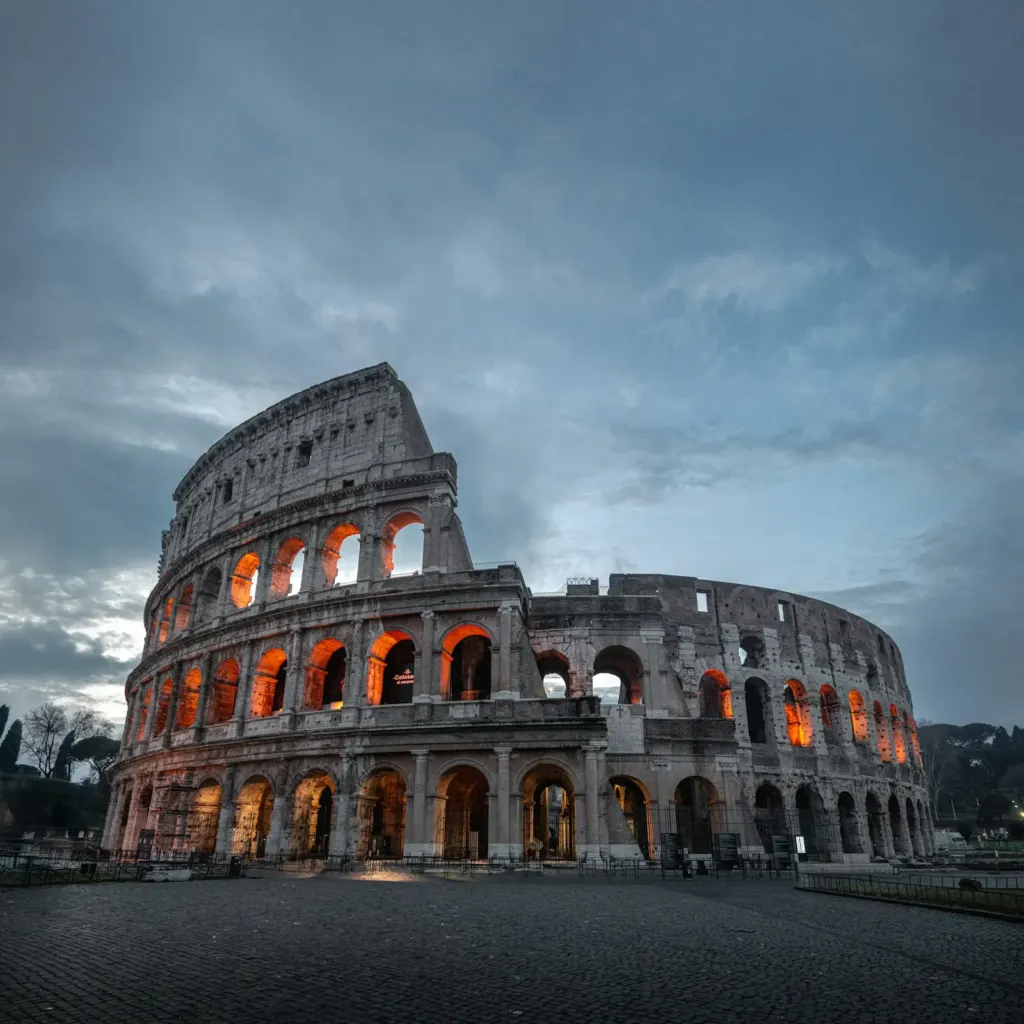
- 8:30 to 11:00: the open-air sight, such as the Colosseum, Forum and Palatine, while the light is soft. See how to visit without the stress.
- 11:00 to 16:00: a cool indoor activity, a long lunch in a shaded restaurant, and a rest.
- 16:30 to 19:00: an airy walk through shaded streets, a gallery, or the Pantheon area.
- 19:00 onward: aperitivo, a stroll to the fountains and a late dinner, when Romans actually eat.
Where to find shade and cool air
- Churches: reliably cool inside. Cover shoulders and knees; carry a light scarf.
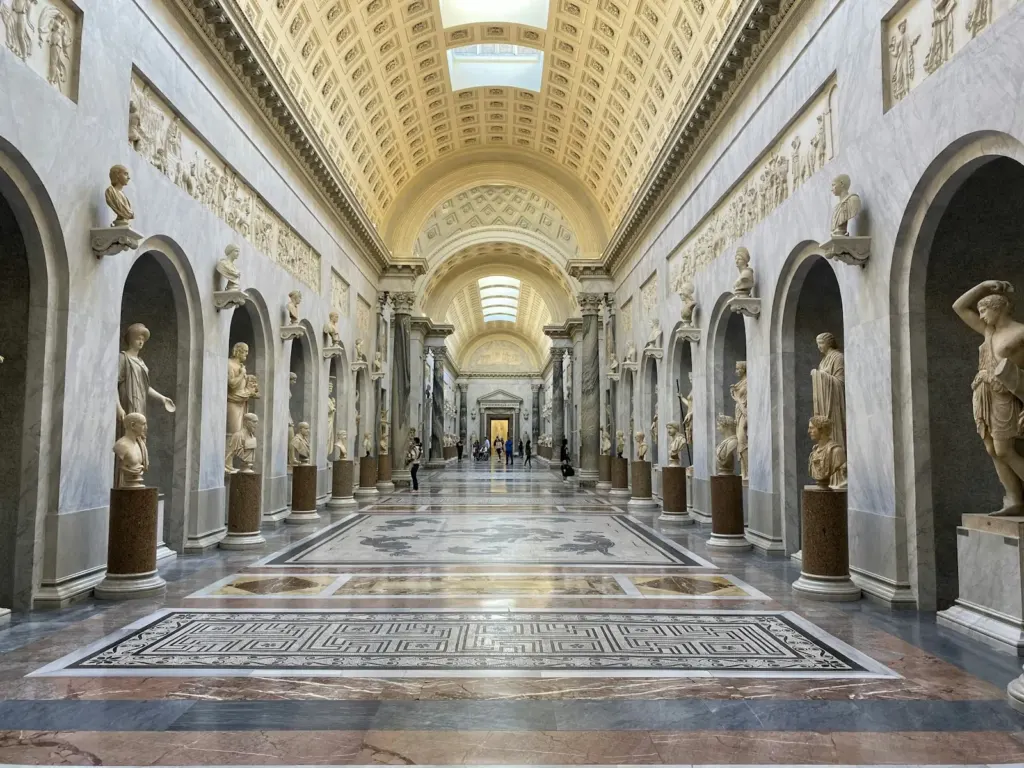
- Museums: many are air-conditioned in places, which makes them good midday options. Book timed entries.
- Catacombs: underground and cool all year round. See the Rome catacombs tour page.
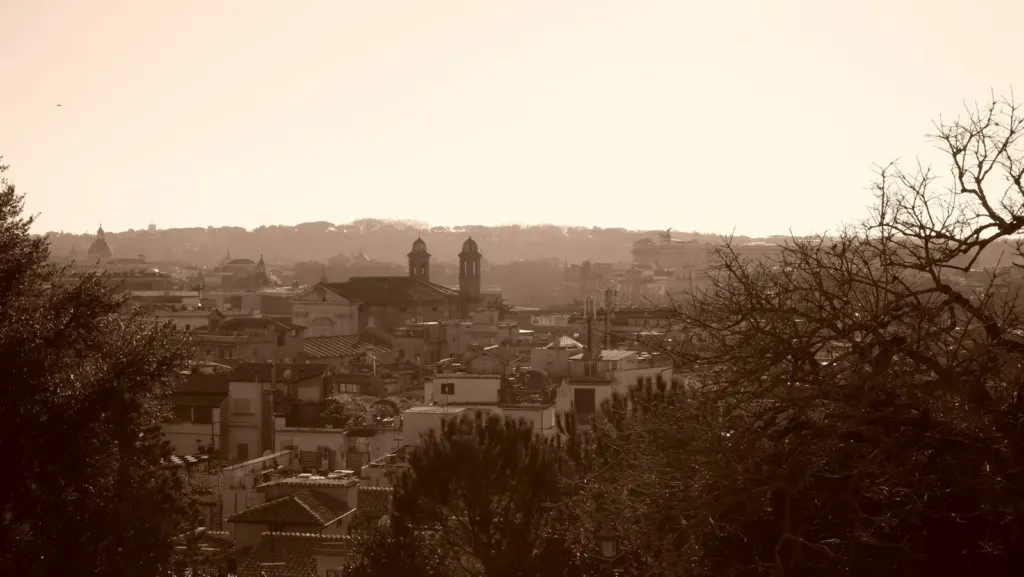
- Parks: Villa Borghese has shade, though it is a stroll rather than a refuge from midday sun.
- The Palatine: has more trees than the Forum, so it is the better outdoor option once you are in the archaeological area.
How do you stay cool in Rome?
Carry a refillable bottle and fill it at the free public drinking fountains known as nasoni, the small iron fountains found across the city. Wear a hat, sunglasses and sun cream. Choose light, breathable layers, but remember dress codes: shoulders and knees need covering in churches, St Peter’s Basilica and the Vatican Museums. A scarf or lightweight overshirt solves that. A small fan or cooling towel can help in queues.
Eat lightly: salads, fruit, gelato and granita suit the heat. Alcohol with a long lunch feels strong in July, so drink water alongside it.
Are Rome sights open on summer evenings?
Many are open into the evening, and some offer special night or extended openings in the season. The details change from year to year, so check each official site before you rely on a late slot. For options we list, see night tours in Rome, the Colosseum at night page and our Rome at night guide. Even without a ticket, the fountains and piazzas are free to enjoy after sunset.
Check current details: evening openings, closing days and any heat-related changes are published on the official sites of each attraction.
Tours that suit the heat
- Rome by night walking tour for sights after sunset.
- Tiber river sunset cruise for a breeze on the water.
- Catacombs of Rome underground tour for the cool.
- Pasta and tiramisu cooking class for an indoor midday activity.
- Vatican Museums early access tour to beat both the crowds and the heat.
Check start times and cancellation terms on each listing, as schedules can change in the hottest weeks. Browse more under night and sunset tours.
Sights to avoid in the middle of the day
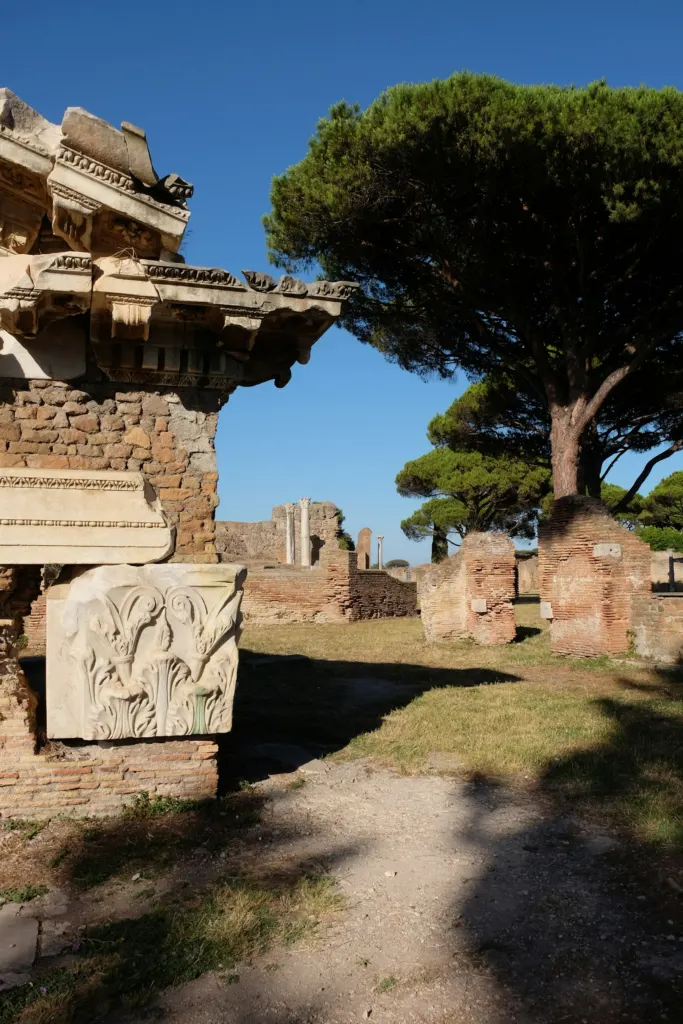
The Roman Forum, the Appian Way and Ostia Antica offer almost no shade and are best before late morning or in the last hours before closing. If you only have a midday slot, bring plenty of water and take breaks in whatever shade you find. Our Appian Way checklist has route ideas for an early start.
Does my hotel need air conditioning?
Yes, for July and August it is worth asking. Not all older properties have it, and some rooms with fans only stay warm at night. Check the listing, confirm with the property, and ask for a room away from the afternoon sun if you can. For help choosing an area, read where to stay in Rome.
Staying safe in the heat
Heat illness can bring headache, dizziness, nausea and heavy sweating. If you or a child feel unwell, move to shade, drink water and rest. Older travellers, young children and people with health conditions need extra care. In an emergency, call 112, the European emergency number. Check your travel insurance covers medical care.
Escape the city for a day
Tivoli’s gardens and fountains are a good summer escape, and the coast is within reach by train. See Rome day trips. Some local businesses close around Ferragosto in mid-August, so book restaurants ahead and check opening days.
What to pack
A wide-brimmed hat, sunglasses, sun cream, a refillable bottle, a light scarf for churches and comfortable shoes with grip. The ground in the Forum is uneven, so leave the fashion sandals at the hotel. For winter conditions, the opposite plan applies; see Rome in winter.
Heat, children and older travellers
Small children and older visitors tire first. Keep outdoor stretches short, schedule a sit-down every hour or so, and avoid pushing strollers over hot cobbles at midday. A hat for children, a spare shirt and regular water make a big difference. Gelato stops are a cooling strategy as much as a treat. For more on family trips, see Rome with kids and family tours in Rome.
Queues in the sun
The worst heat often comes while you stand in a line. Timed tickets and early slots shorten the wait outdoors, and water and a hat do the rest. If a queue has no shade and the sun is high, step out and return later rather than waiting. For how entry works, read skip-the-line explained.
What Rome does after dark
Summer is when the city comes alive late. Piazzas fill after nine, riverside bars open along the Tiber, and the monuments are lit. A relaxed walk from the Pantheon to Piazza Navona and the Trevi Fountain, with a gelato, is a classic summer evening. Trevi stays crowded late, so go a little later still if you want space.
Summer sightseeing, ranked by heat
| Sight | Shade | Best time in summer |
|---|---|---|
| Roman Forum | Very little | First slot or last hour |
| Palatine Hill | Some trees | Morning |
| Colosseum | Partial, inside | Early morning |
| Vatican Museums | Indoors, can feel warm in crowds | First slot |
| Catacombs | Underground and cool | Midday |
| Appian Way | Little | Early morning |