The best time to visit Rome is April to early June and mid-September to October. Days are warm enough for outdoor sightseeing, daylight is long, and the extreme heat of July and August has not arrived or has gone. If you want low prices and fewer crowds, go from January to early March, accepting cool and sometimes rainy days.
No month is perfect, because Rome’s biggest sights are busy for most of the year. The right month is the one that suits your priorities: weather, cost, crowds or events. The sections below walk through the year, then point you to the best dates for different travellers. These notes describe typical patterns, so treat them as guidance rather than a forecast.
Best time to visit Rome at a glance
| Months | Weather feel | Crowds | Prices | Verdict |
|---|---|---|---|---|
| December to February | Cool, some rain, occasional cold snaps | Low, apart from Christmas and New Year | Lowest outside holidays | Best for quiet museums and budgets |
| March to April | Mild, changeable, lengthening days | Rising; Easter is a spike | Rising | Good, if you book early |
| May to June | Warm to hot, sunny | High | High | Favourite for weather; book ahead |
| July and August | Hot, often around 30 degrees C or more | High at the main sights; locals leave in August | Mixed | Possible with an early-start plan |
| September and October | Warm, easing, more rain by late October | High, thinning | High in September | Often the best balance |
| November | Cooler and often wet | Low | Low | Good for museums and cooking classes |
What is the cheapest month to visit Rome?
January and February are typically the cheapest months for hotels and flights, once the Christmas and New Year period is over. Early November is also relatively low. Costs rise from Easter and stay high through spring, early summer, September and the first half of October. Exact prices depend on the year and the booking provider, so compare dates on your own search before committing.
January and February: quiet and cool
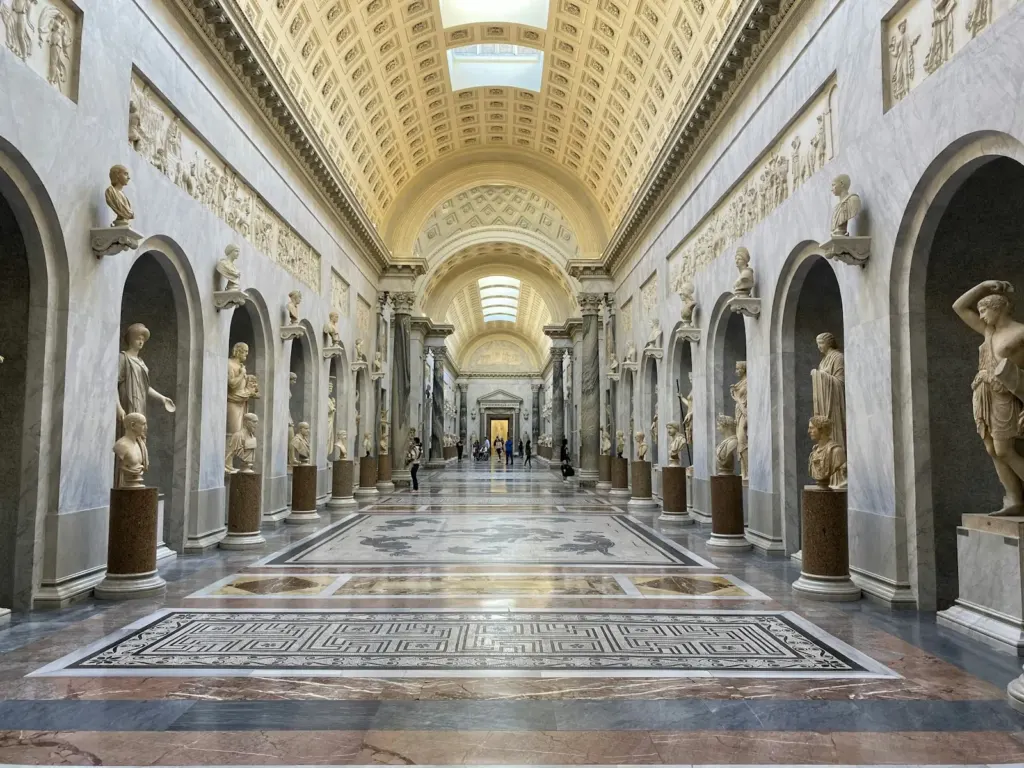
Winter is the best time to see the Vatican Museums and the Borghese Gallery without the full summer pressure. Mornings are cool, and there can be sharp, clear days between showers. Some restaurants take a holiday break in January. Read the dedicated Rome in winter guide for what to pack and what runs less often.
March and April: spring arrives
Gardens bloom, days lengthen and outdoor tables return. April can be warm one day and wet the next, so carry a light rain layer. Artichoke season runs through spring, so you will see carciofi on menus. Easter brings large crowds, extra services and tighter booking, so reserve accommodation and timed tickets early. Dates move each year, so check when Easter falls before choosing dates.
May and June: the sweet spot, with crowds
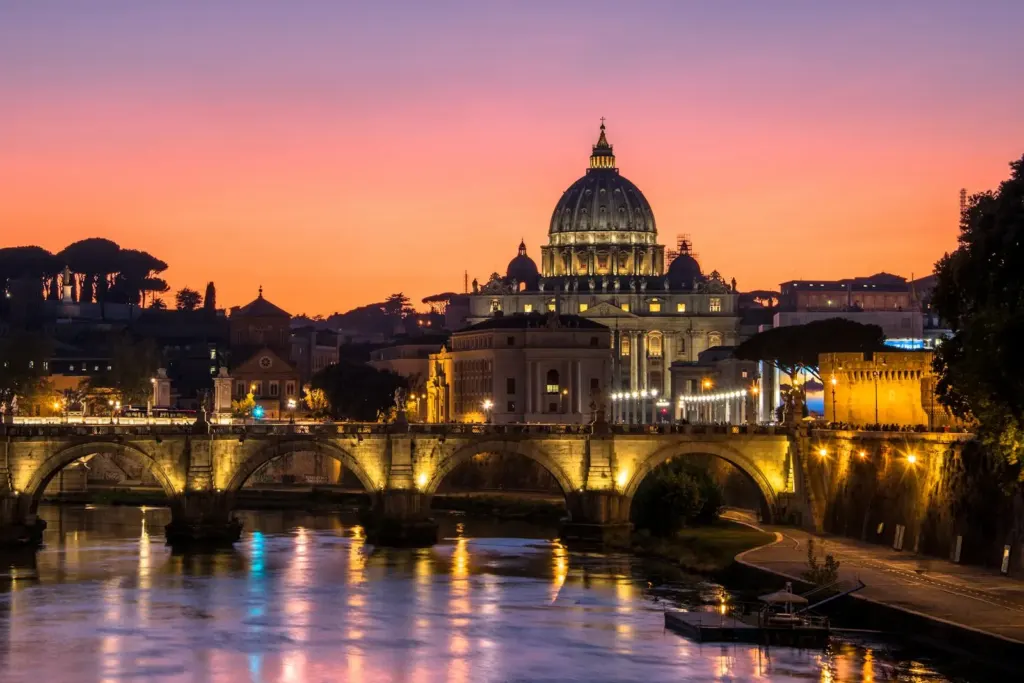
These are the favourite months for many visitors, with long light and outdoor dining. They are also busy. Book the Colosseum and the Vatican early, and plan sightseeing before midday. Evening tours, such as a Tiber river sunset cruise, work well now. Browse night tours in Rome for more evening ideas. The Festa della Repubblica on 2 June can affect transport and some openings.
Is Rome too hot in August?
July and August are hot. Afternoon temperatures commonly reach 30 degrees C or more, and heatwaves can push higher, with little shade at the Forum, Palatine and Appian Way. Sightseeing is manageable if you start early, rest at midday and go out again in the evening. Around Ferragosto (15 August), many local shops and restaurants close for a few days or weeks, though the major sights stay open. We cover tactics in Rome in summer.
September and October: golden light
Heat eases, the light is soft, and the sea and lakes are still warm for day trips. September is busy and still hot at midday; October is cooler, with more rain as the month goes on. Many visitors rate mid-September to mid-October as the best balance of weather and atmosphere, although it is not a quiet period.
November and early December: low season
November is among the wetter months, but also quiet. It is a good time for museums, cooking classes and long lunches. Christmas lights, nativity scenes and markets appear in December, and the Christmas to New Year period is busy again.
What month is least crowded in Rome?
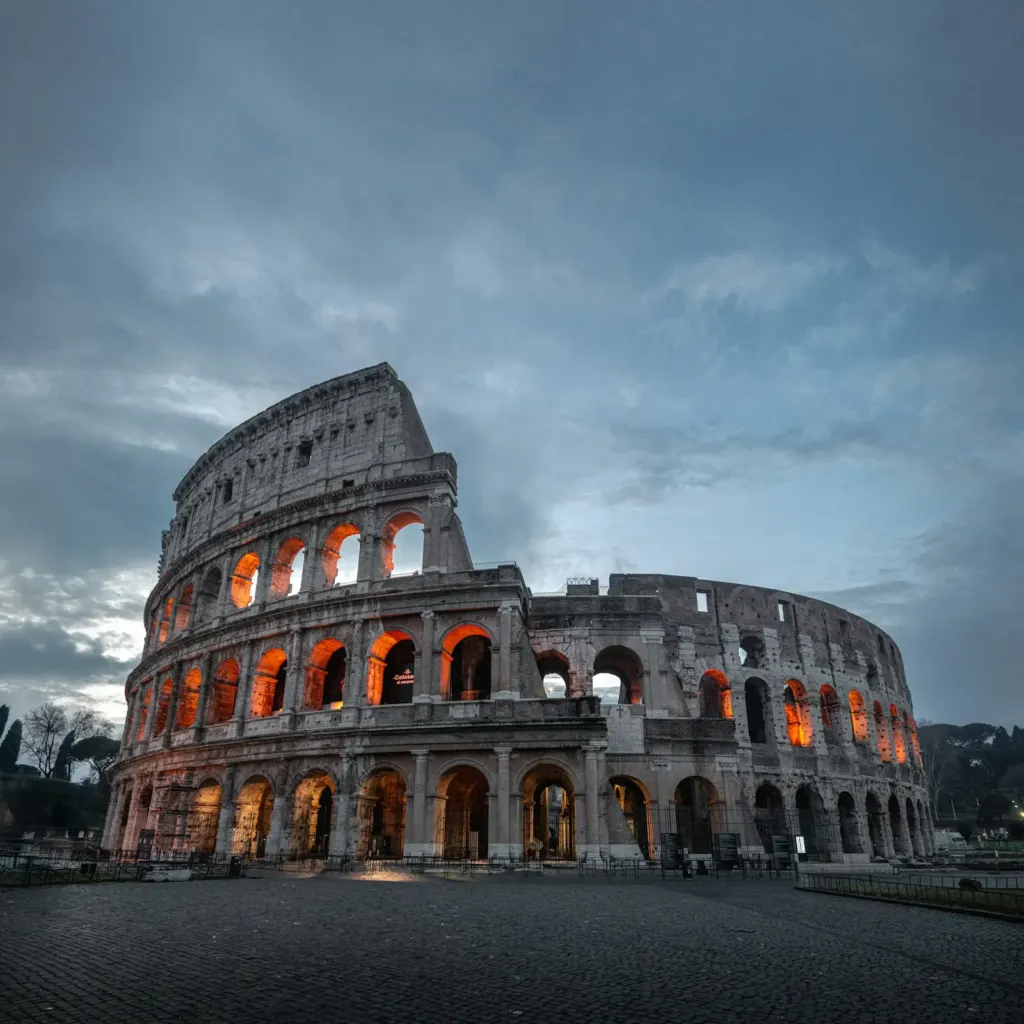
January, February and November are generally the least crowded months, apart from holiday weeks. Within any month, the crowd pattern is daily: the first hour after opening and the last hours before closing are calmer than late morning. Timed tickets, available through the official sites, help in all seasons. The Colosseum tips are in how to visit the Colosseum, Forum and Palatine.
Events and holidays to plan around
- Easter: big crowds and special services; the date moves.
- 25 April and 1 May: national holidays, with some closures and busy attractions.
- 2 June: Festa della Repubblica.
- Mid-August: Ferragosto, when many locals leave and some businesses close.
- Christmas and New Year: beautiful, busy, and some opening hours change.
Museums and shops can close on certain holidays, so check each official site for the specific date. Our free Sundays in Rome page explains how the monthly free-entry days work.
What to pack by season
- Winter: a warm coat, a waterproof layer and shoes with grip for wet stone.
- Spring and autumn: layers and a light rain jacket.
- Summer: sun protection, light clothing, a refillable bottle and a scarf to cover shoulders in churches.
Comfortable shoes matter in every season, because you will walk a lot on uneven stone.
Best time for different travellers
- First-timers: late April to early June, or mid-September to mid-October.
- Budget travellers: January to early March, and November. See budget Rome.
- Families: spring and early autumn avoid heat. See Rome with kids.
- Photographers: autumn and winter mornings for soft light and clear air.
- Food lovers: spring for artichokes, and winter for puntarelle and warming pastas.
Once you choose dates, work out the length of your stay with how many days in Rome, then browse the best tours in Rome.
Rain, daylight and what it means for sightseeing
Rome sees more rain between October and January than in summer, so build a plan B into those months: museums, galleries, a cooking class or a long lunch. In summer, rain is rare, and the weather question is heat, not wet. Daylight matters too. In winter the sun sets in the late afternoon, which shortens outdoor days, whereas in June light lasts well into the evening, making late tours and dinners easy.
Booking windows by season
As a rule of thumb, book accommodation and key tickets earliest for Easter, May, June, September and the Christmas to New Year period. In January, February and November there is usually more flexibility, though timed entries for the Vatican, Borghese and Colosseum still sell out on busy weekends. Official sites show availability, so check them rather than guessing. The Vatican booking guide explains the process.
Month by month in one line each
- January: cold, quiet and cheap; the post-holiday lull.
- February: crisp days, few crowds.
- March: unsettled but lengthening days; early blossoms.
- April: warming, showery, Easter crowds and the city’s founding anniversary on 21 April.
- May: warm, bright and busy; long evenings.
- June: hot start to summer, long daylight, busy sights.
- July: hot; early starts and long lunches.
- August: hottest; Ferragosto closures; the city feels half empty of locals.
- September: still warm, busy, golden light.
- October: mild, more rain late in the month.
- November: grey and quiet; low prices.
- December: lights and markets, busy around Christmas.
Which tours suit which season?
In spring and autumn, walking tours and day trips are at their best; see best walking tours in Rome and day trips. In summer, evening and indoor options are better, and in winter, museums and food experiences shine; see best food tours in Rome.
Choosing a base for your season
Your season also changes where you should sleep. In summer, air conditioning and a shaded or quiet street matter more than a perfect view; in winter, a warm room and a short walk to the sights matter more. See where to stay in Rome for a comparison of areas.
Shoulder-season tips
The shoulder months of March, early April, late October and November reward flexible travellers. Prices are lower than in May or September, queues are shorter, and you can often get a better table or a later ticket slot. The trade-off is weather: carry a compact umbrella and wear shoes that cope with wet stone. If you want to see the city at its calmest, an early weekday morning in these months is hard to beat.
Mixing seasons into one trip
If your dates are fixed, adapt the plan rather than the dates. In July, move outdoor sights to the first hours and use the middle of the day for museums. In January, move outdoor walks to the sunniest hours and use mornings for indoor sights. A guide to adapting is in Rome in 3 days, which you can reorder to match the weather on the day.