Is the Roma Pass worth it? Sometimes, but not as often as its marketing suggests. It bundles public transport with free or discounted entry to municipal and partner sights, so it pays off when you do a lot of paid attractions and ride buses and the metro every day. If your plan is the Colosseum, the Vatican and a lot of walking, booking those tickets directly is usually simpler and often cheaper.
This page gives you the sums to run yourself, rather than a blanket yes or no, because the answer depends on what you actually plan to see.
What the Roma Pass actually is
The Roma Pass is the city’s official tourist card, sold in 48-hour and 72-hour versions. Per Roma Capitale’s tourism site (Turismo Roma), at the time of writing the 48-hour pass costs EUR 38.00 and the 72-hour pass EUR 62.90, and the pass gives access to more than 100 attractions plus public transport. The validity clock starts at first use, either your first museum entry or your first transport ride.
- Transport: the pass covers Rome’s city buses, trams and metro within the municipality, plus the urban rail lines published by the pass. Airport trains such as the Leonardo Express to Fiumicino are not part of it, so check the transport list on romapass.it.
- Sights: the 48-hour pass includes one free entry and the 72-hour pass two, with reduced prices at the other participating sights. Confirm the current rule on romapass.it, since this is the part operators adjust most.
- Format: a phone app version or a physical card, sold at the Roma Capitale tourist infopoints.
What the Roma Pass does not cover
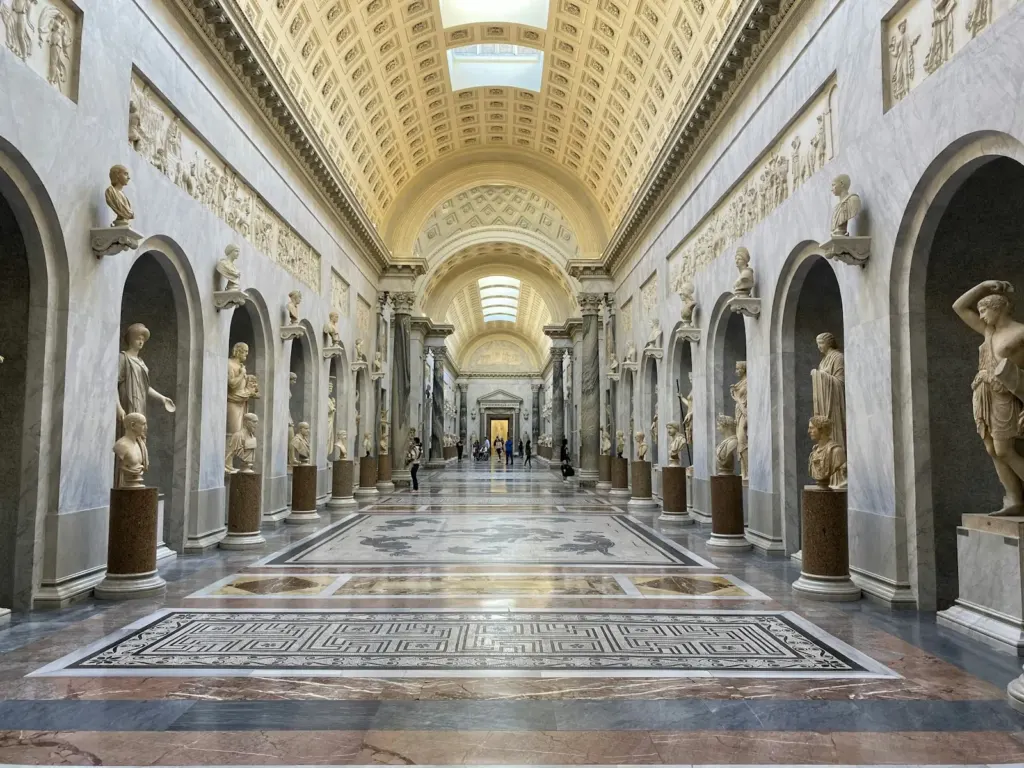
The Vatican Museums, the Sistine Chapel and St Peter’s Basilica sit in Vatican City, a separate state, and are not part of the Roma Pass. If the Vatican is on your list, you need a separate ticket, ideally booked in advance. The pass is also not a reservation: sights with timed entry still ask you to book a slot.
That matters in three places in particular:
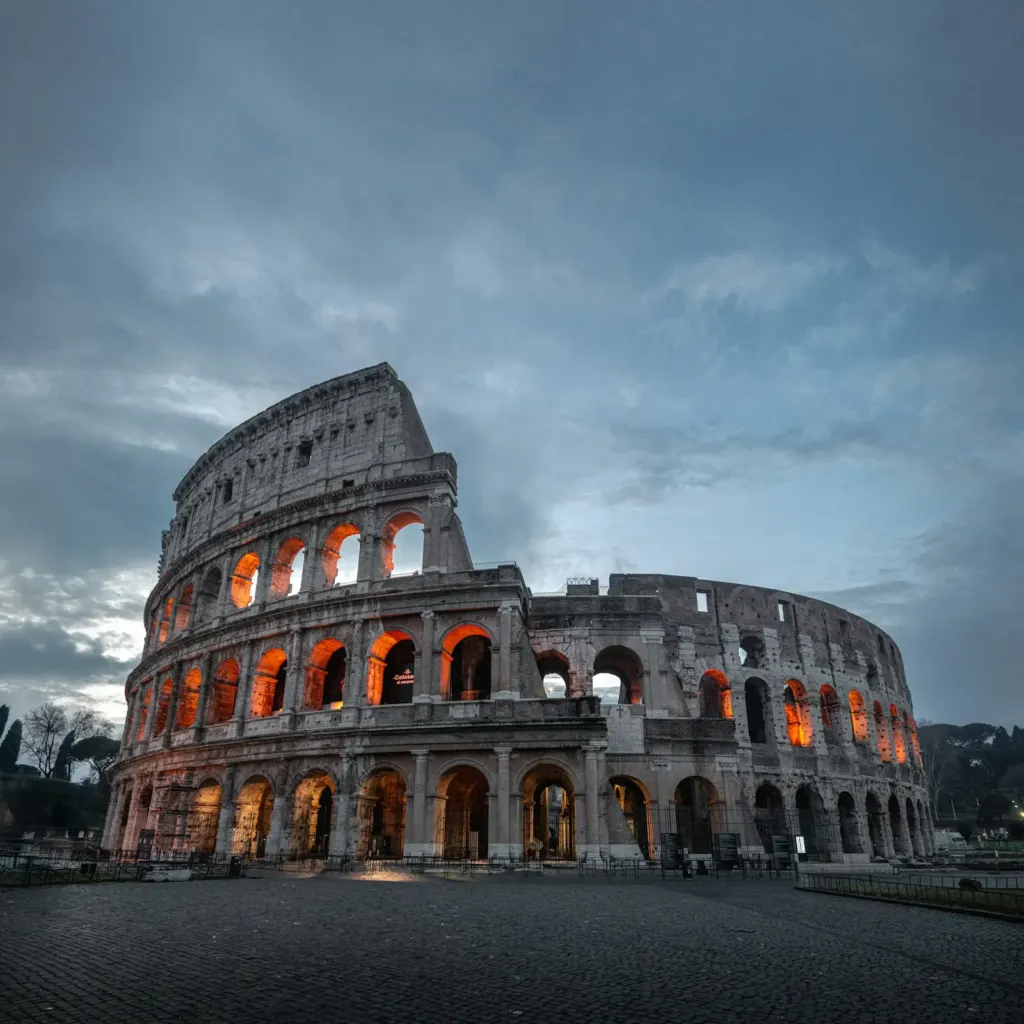
- Colosseum: the monument is run by the Parco archeologico del Colosseo, which sells timed tickets. A city card does not by itself give you a guaranteed time or a separate queue; check the Parco’s official site (colosseo.it) and the Roma Pass sight list for how the two interact on your dates. Our guide to Colosseum tickets and tours explains the booking options.
- Borghese Gallery: entry is by reserved timed slot only, so even a pass holder must book a slot first. See Borghese Gallery tickets.
- Guided or underground visits: special routes such as the Colosseum arena floor are separate products, not covered by a card.
The break-even sums
Work out your own break-even in four steps:
- List the paid sights you want that are on the pass, and note the full price of each on its official site.
- Take the full price of the sights the pass gives you free, and subtract the pass price.
- Add the discounts on any further sights.
- Add the transport you would genuinely use, counting single fares at the current city rate (check ATAC for the fare).
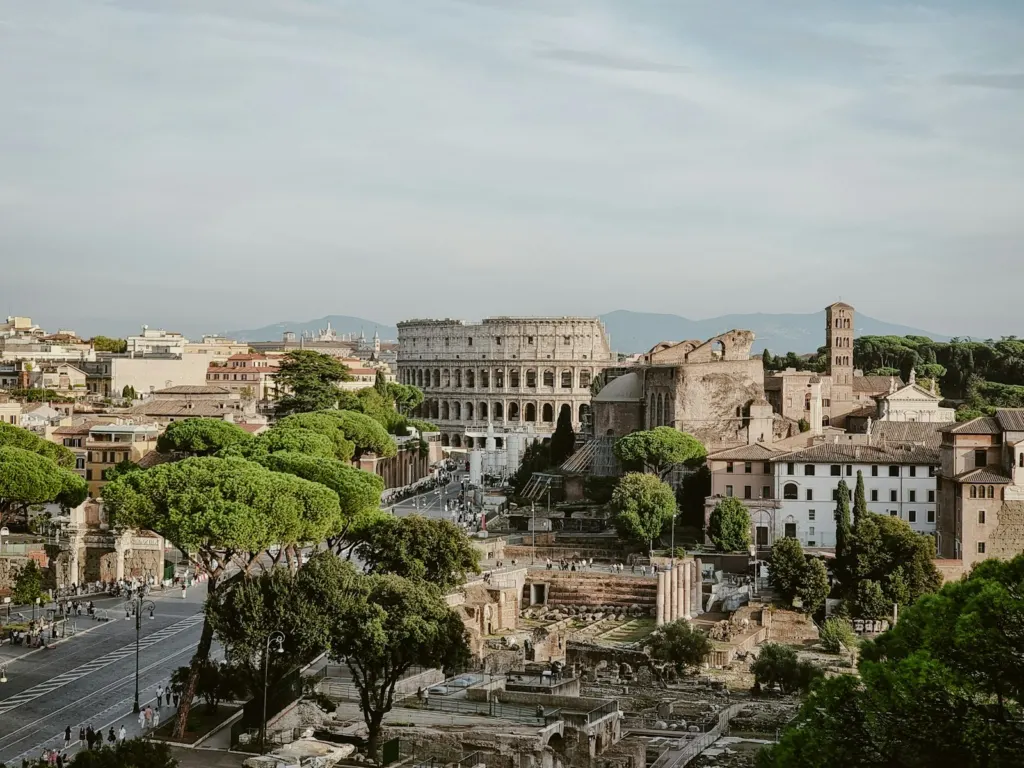
Most visitors find that the savings come mostly from transport, not museums, and that a stay centred on the historic centre needs very little transport because the main sights are walkable. Our guide to getting around Rome shows which links are actually worth using.
Who benefits and who does not
| Your trip | Pass worth it? | Why |
|---|---|---|
| 2 to 3 days, many paid sights, regular bus or metro use | Often yes | Free entries plus transport add up |
| Colosseum, Vatican and walking only | Usually no | The Vatican is excluded and you walk most of the day |
| Day trip or one-day stopover | No | Not enough time to use it |
| Staying outside the centre, commuting in daily | Possibly | Transport use is the whole value |
| Family with children | Check | Many sights are free or reduced for children; compare child prices before buying |
Roma Pass, Omnia or booking directly
The Omnia Vatican and Rome card is a separate product that bundles Vatican entry with a Rome card, so it is the comparison for visitors who want the Vatican included. Compare its current price on the official Omnia site with the cost of buying the Vatican ticket and a Roma Pass separately.
The alternative is to skip any card and book exactly what you want. One reserved slot for the Colosseum, Forum and Palatine and one for the Vatican gives you control over times, which matters more in busy months than a small saving. Our overview of skip-the-line tickets in Rome compares the main options, and what skip-the-line really means clears up the queue question.
A worked example
Imagine a three-day stay with the Colosseum area, the Capitoline Museums and one more paid sight on the pass list. Add up the full prices of those sights, take away what the free entries save, and add what you would spend on single bus or metro tickets. Then compare that total with the 72-hour pass price. If the pass comes out only a few euros ahead, it is not worth the extra planning, because the pass also pushes you to cram sights into a fixed 72-hour window. If it comes out clearly ahead, it is worth buying. Use current prices from each sight’s official page, because the numbers move.
The same exercise for a Colosseum, Vatican and walking trip usually shows the pass saving little, since the Vatican is excluded and you may take very few transport rides.
Practical tips if you do buy one
- Start the clock with your most expensive sight, not a bus ride, so the free entry is used when it saves the most.
- Book timed sights first, then buy the pass around those slots.
- Download the app version if you want to avoid collecting a physical card.
- Check which sights have a separate entrance for pass holders, and whether they still require you to reserve.
Mistakes to avoid
- Assuming the pass skips the Vatican queue. It does not include the Vatican at all.
- Buying a pass for a trip where you will spend two days at one site.
- Forgetting that the 48 or 72 hours run continuously, so a late-afternoon first use wastes time.
- Not booking Borghese or other timed sights before you arrive.
Check current details
Prices, the number of free entries and the list of participating sights are set by the pass operator and change from year to year. Check romapass.it and turismoroma.it before you buy.