The best walking tour in Rome depends on the theme you want: ancient ruins, food and history, a night stroll or golden-hour photography. Here is how to pick one, what the pace is like and what to wear.
Some booking links are affiliate links. If you book through them we may earn a commission at no extra cost to you, and it never changes our ranking. Read the disclosure.
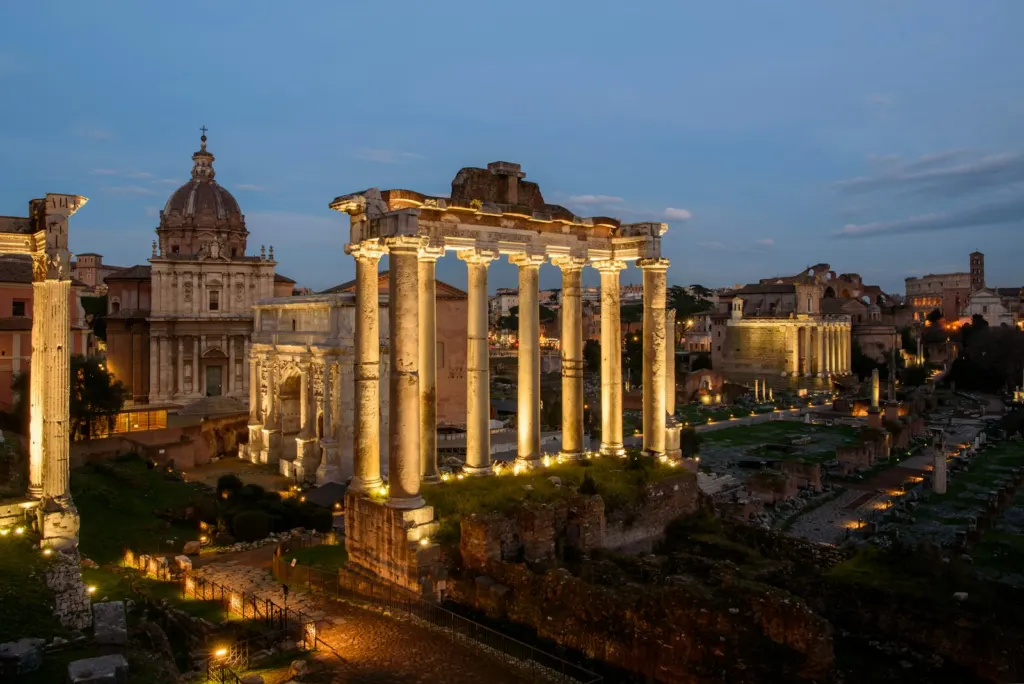
Why we picked it: A 2.5-hour morning guided walk through the Roman Forum and Palatine Hill with priority entry, headsets and an audio guide listed. Groups are capped at 15. Colosseum entry is not included. Free cancellation applies up to 24 hours before.
Best for: First-timers and history fans who want the Forum and Palatine explained.
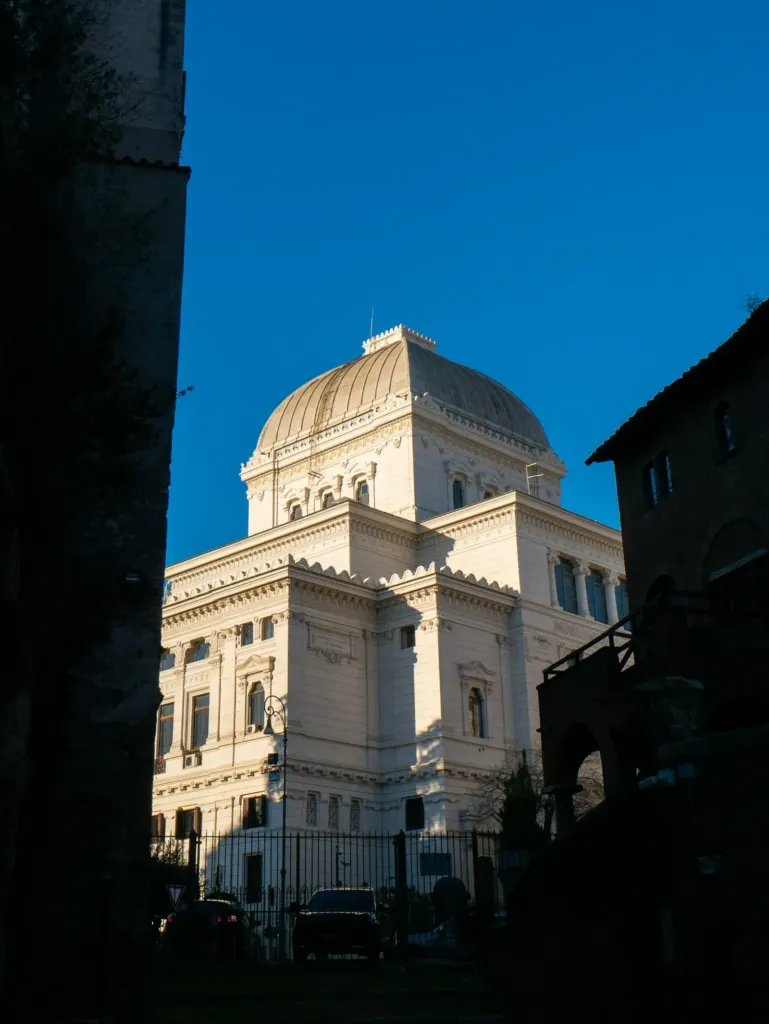
Why we picked it: A 3-hour late-morning walk through the Jewish Ghetto, starting at Portico d'Ottavia, mixing the district's history with Roman-Jewish cooking tastings. Guide and tastings are included, for up to 12 guests aged 8 and over. Free cancellation applies up to 24 hours before.
Best for: Food lovers and history fans who want context and tastings in one walk.
Why we picked it: A 2.5-hour evening walking tour from the Spanish Steps, passing the Trevi Fountain, Pantheon exterior and Piazza Navona. A local guide and headsets for busy areas are included, for up to 16 guests. Free cancellation applies up to 24 hours before.
Best for: Couples and photographers who prefer sightseeing after the day crowds ease.
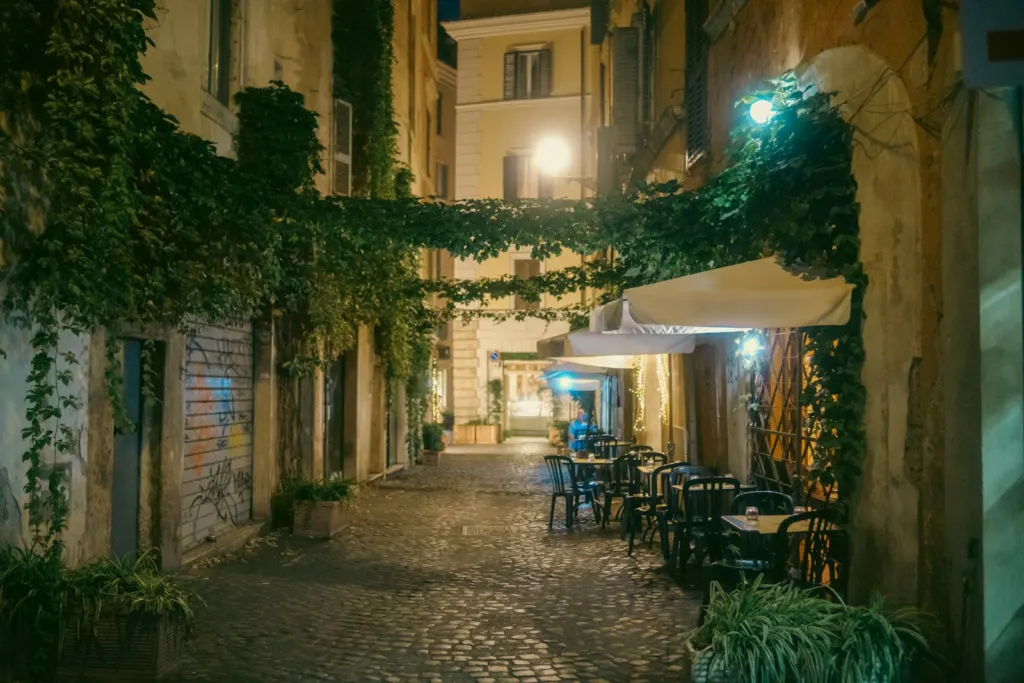
Why we picked it: A 3.5-hour evening walk with five or six tasting stops in Trastevere, covering Roman classics such as supplì, carbonara and porchetta. Food, wine, water and a local guide are included, with up to 10 guests. Free cancellation applies up to 24 hours before.
Best for: Couples, solo travellers and food lovers who want dinner covered by tastings.
Why we picked it: A 3-hour late-morning visit to Testaccio Market and the surrounding neighbourhood, built around tastings and classic Roman pasta. Guide and tastings are included, with a maximum of 10 guests and a minimum age of 10. Free cancellation applies up to 24 hours before.
Best for: Food lovers and history fans who want to eat their way through one local market.
Tastings and guide included
Small group, max 10
Free cancellation up to 24 hours before
Minimum age 10, so suitable for some older children
Drinks not included
Best on an empty stomach, as tastings can add up to a large meal
Why we picked it: A 3-hour late-afternoon walk starting at the Spanish Steps, focused on golden-hour light, composition tips and less obvious corners. Open to any camera or phone, in a group of up to 8, from age 12. Free cancellation applies up to 24 hours before.
Best for: Photographers and solo travellers who want guidance on light and framing.
Why we picked it: A 2.5-hour morning treasure hunt for families around ancient Rome, with a family guide, an activity pack and small prizes included. Groups are capped at 12 and the minimum age is 5. Free cancellation applies up to 24 hours before.
Best for: Families with young children who want history turned into a game.
Why we picked it: A 2.5-hour early-evening walk through Trastevere backstreets and small bars, built around the aperitivo tradition. Drinks, snacks and a guide are included, and groups are capped at 10. Free cancellation applies up to 24 hours before.
Best for: Couples and solo travellers who want an easy, social first evening in Rome.
The best walking tours in Rome are themed walks of about two and a half to three hours, led by a local guide in a group small enough to hear them. For most first-timers we rank the Roman Forum and Palatine Hill guided walk first: the ruins make the least sense without a guide, the group is capped at fifteen and entry is included. After that come the Jewish Ghetto history and food walk, an evening walk through the lit-up centre and neighbourhood food walks.
The Forum walk ranks highest because walking with a guide changes what you see there more than almost anywhere else in Rome. Other walks come close for different reasons: the Ghetto for history with tastings, the night walk for atmosphere, and the photography walk for light.
What this list covers, and what it does not
This is a ranked list of the walking tours in our current catalogue, not every walking tour in Rome. Order follows our published criteria on the How we rank page: theme, group size, length, difficulty, inclusions and cancellation terms. We do not list the many informal walks run by independent guides, so treat this as a curated shortlist. For per-tour pros and cons, see the cards.
Pick your theme
Ancient Rome
The Roman Forum and Palatine Hill walk is the classic. It involves uneven ground and steps, a moderate difficulty rating on our listing, and a start in the morning. If you want the Colosseum as well, see the Colosseum tours hub for combined options.
History with food
The Jewish Ghetto walk combines the story of one of the city’s oldest quarters with Roman-Jewish dishes along the way. Easy pace, late morning. Our food tours list covers the neighbourhood options in more depth.
Night and baroque Rome
Trevi, the Pantheon exterior and Piazza Navona, seen after dark. Easy pace and a good start for couples. The best night tours page compares this with a cruise and a Vespa ride.
Neighbourhood walks
Trastevere and Testaccio walks are slower, with stops for tastings. They are walks in name, but food leads. Trastevere also has a gentler aperitivo version.
Photography
A small-group walk timed for golden hour, with composition tips for any camera or phone.
Walks for children
For children, a treasure-hunt format keeps attention up. See family tours in Rome for more.
Why walk at all
Rome’s centre is dense and its best moments often sit between the headline sights: a courtyard glimpsed through a doorway, a fountain in a side square, a street that changes character after a corner. Walking is the way to find them, and a guide makes sure you do not walk past what matters. The city’s layers, from republic and empire to Renaissance and baroque, are stacked within a few streets of one another, so a good walking route is as much about reading the city as covering distance. A guided walk also solves practical problems such as where to stand, when to cross and which entrance to use.
How to choose between walks
Start with the theme you care about. Ancient history, food, art, atmosphere or photography each point to a different walk.
Check the group cap. Our walking listings cap groups between eight and sixteen. Smaller groups are easier to hear and keep together.
Check what is included. Entry tickets, headsets and tastings can be part of the price. The Forum walk, for instance, lists entry and headsets as included, which makes it simpler to compare with a ticket-only option.
Check the difficulty rating. Easy walks suit most people; moderate ones involve steps, hills or uneven ground.
Check the minimum age. It varies from five or six on some walks to adults only on drink-focused ones.
A walk for every kind of traveller
First-timers should start with the ancient-Rome walk, since that is the sight that most needs explaining. Repeat visitors often prefer neighbourhood walks that go beyond the headline sights. Couples tend to enjoy the night walk and the golden-hour photography walk. Families with younger children get the most from a game-style walk with an activity pack. Solo travellers do well on food walks, where the table is shared. If you are travelling with someone who cannot manage three hours on foot, mix one short walk with a seated or vehicle-based experience from our unique tours list.
Pace, steps and what to expect
Rome’s historic centre is compact, but cobblestones and heat make a three-hour walk feel longer. Most of our walks are rated easy; the Forum and Palatine is moderate because of hills, steps and uneven stone. Expect to be on your feet for the whole tour with short stops. If anyone in your group struggles with long walks, consider a vehicle-based option on our unique tours page.
Are there free walking tours in Rome?
Yes. Many independent guides offer tip-based walks where you pay what you think the tour was worth at the end. They can be good, but groups are often larger, content varies by guide and sites that need paid tickets are usually seen only from outside. A paid guided walk typically offers a fixed group cap, a defined route, headsets and, where relevant, entry tickets. The choice is about certainty versus flexibility; for places like the Forum, where entry has to be pre-arranged, a paid tour is usually more practical.
Walking tour or hop-on hop-off?
A walking tour gives you depth in one area; a hop-on hop-off bus gives you breadth across the city with less walking. Our comparison of hop-on hop-off versus walking tours goes through the trade-offs, and the hop-on hop-off bus page covers the bus option.
Compare the walk types
Theme
Pace
Time of day
Best for
Ancient Rome
Moderate, steps and uneven ground
Morning
History lovers and first-timers
History with food
Easy
Late morning
Curious eaters
Night walk
Easy
Evening
Couples and photographers
Neighbourhood food walk
Easy, with stops
Morning or evening
Food lovers
Photography walk
Easy
Late afternoon
Anyone who wants better photos
Family treasure hunt
Easy
Morning
Families with children
What to wear and bring
Comfortable closed shoes with grip: cobbles are slippery when polished or wet.
A hat, sunscreen and a refillable water bottle in summer. Many streets have drinking fountains, though check whether yours is working.
Covered shoulders and knees if the walk goes into churches.
A light layer for evenings.
A small bag, kept closed in crowds.
Combining a walk with a ticketed sight
A walk and a ticketed visit complement each other. A guided Forum and Palatine walk leaves you with context that makes a later visit to the Colosseum more meaningful; see the Colosseum tours hub for how the combined ticket works. A food walk in Trastevere pairs well with an afternoon at a museum because it fills the evening without needing any tickets. A night walk can follow a day of museum-going when you are tired but still want to see something. Think of walks as the connective tissue of a Rome trip: they fill the gaps between timed entries and keep the days balanced.
Summer timing
Midsummer afternoons in Rome are hot, and ancient sites have little shade. Morning and evening departures are more comfortable, so book an early or late slot where you can. In spring and autumn the timing matters less.
Booking and cancellation
Group caps on our walking listings range from eight to sixteen, so popular times fill early. Free cancellation windows run from 24 hours before the start; check your confirmation for exact terms.
Check current details: entry rules and ticket systems at the Forum and Palatine are managed by the Colosseum Archaeological Park, so confirm opening days on its official site. For more ideas, browse the best tours in Rome.
Frequently asked questions
What is the best walking tour in Rome?
For first-timers, a guided Roman Forum and Palatine Hill walk is the strongest choice because the ruins need explaining. For food and history, try the Jewish Ghetto walk; for atmosphere, an evening centre walk.
Is a walking tour worth it in Rome?
Yes, especially at historic sites with little signage. A guide explains what you are looking at, handles logistics like entry and keeps the route efficient, which saves time as well as effort.
How long are Rome walking tours?
Most themed walks run between two and a half and three and a half hours. Food walks may run slightly longer because of tasting stops.
Are there free walking tours in Rome?
Yes, tip-based walks are common. Groups can be larger and sites that require paid tickets are usually seen from outside, so a paid tour is better when you want entry and a small group.
What should I wear on a Rome walking tour?
Comfortable closed shoes with grip, light layers, sun protection in summer and covered shoulders and knees if the route enters churches. Bring water and keep your bag closed.
Is this every walking tour in Rome?
No. The list covers walking tours in our current catalogue only, ranked by our published criteria.