
Free
Rome, Italy
Rome in 1 Day: A Practical Itinerary
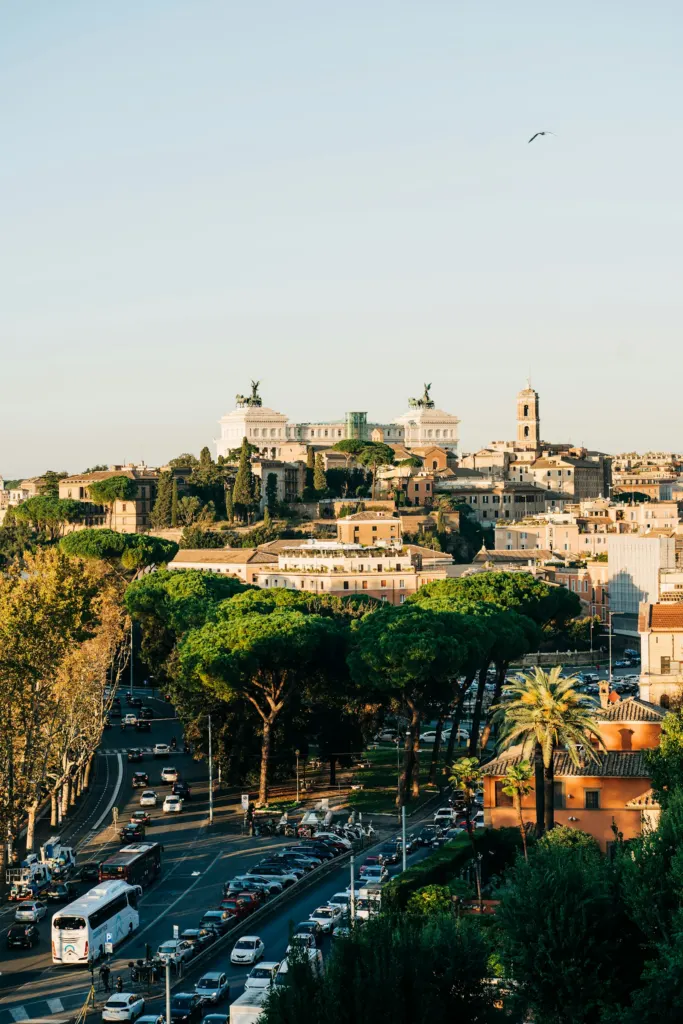
You can see the highlights of Rome in one day if you accept that you will not see everything. The best one-day itinerary spends the morning in ancient Rome (Colosseum, Roman Forum and Palatine Hill), takes a long lunch in Monti, and spends the afternoon walking the baroque centre: Capitoline Hill, the Pantheon, Piazza Navona, the Trevi Fountain and the Spanish Steps.
The trick is to link sights by geography instead of ticking a list, and to book the one timed ticket that matters before anything else. This plan covers about ten hours of walking, so wear comfortable shoes. If the Vatican is a priority, give it a separate morning rather than squeezing it in.
Is one day in Rome enough?
It is enough for a first impression and for the central landmarks, but not for a deep visit. You will walk a lot, you will skip many museums, and you will see the Vatican only if you sacrifice something else. If you can stretch to two days, our 2-day itinerary adds the Vatican, and the how many days in Rome guide helps you decide.
Should I do the Vatican or the Colosseum in one day?
Choose one. The Vatican Museums and the Colosseum are both timed, both busy and in opposite parts of the city, so doing both makes an exhausting day. If you must, see the Vatican and Colosseum in one day, which explains how. For most first-timers, the ancient route below gives the strongest sense of Rome. If the Vatican is your priority, take an early slot, see the museums and St Peter’s, and swap the afternoon for the centre. Our Vatican timing guide helps.
The best order to see Rome in a day
Morning: ancient Rome
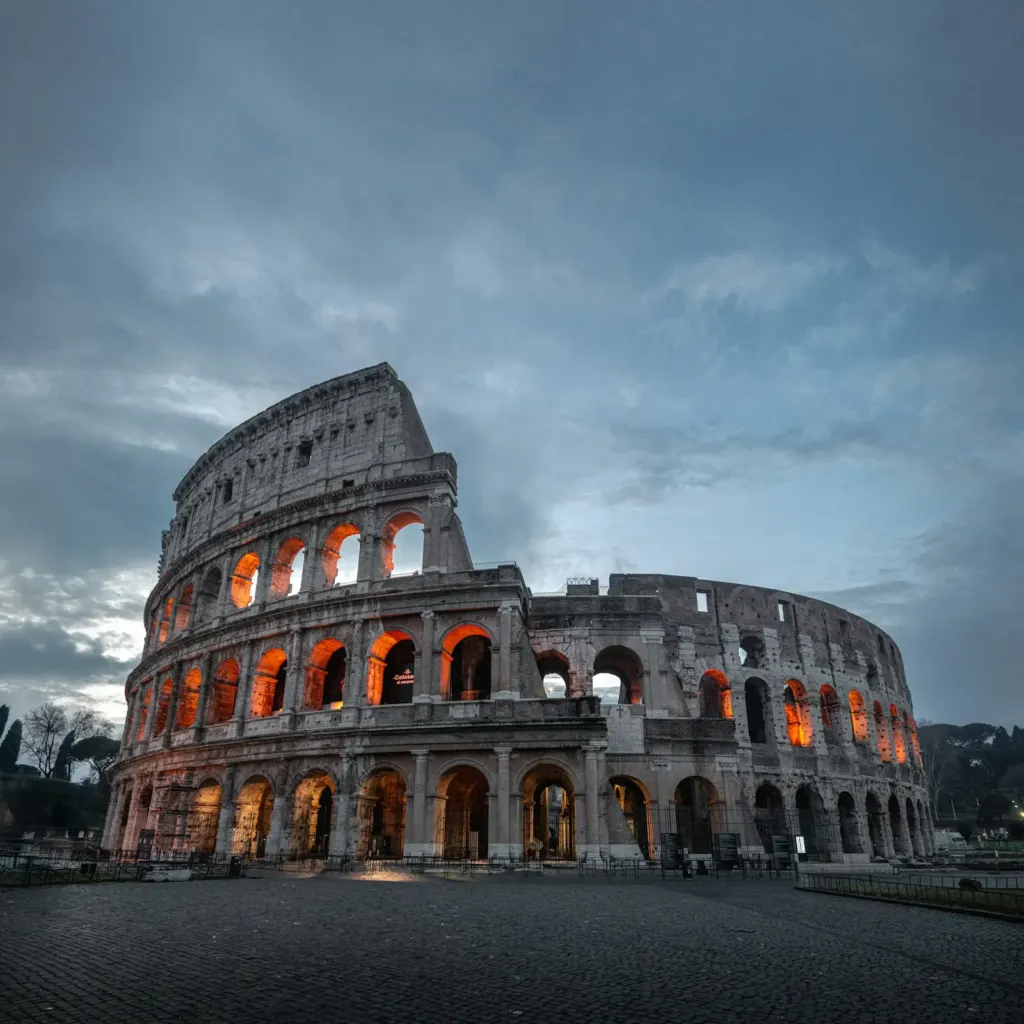
- Colosseum (from about 8:30am). Take the first timed slot of the day, when it is cooler and quieter. The standard ticket is timed-entry and is a combined ticket for the Colosseum, Roman Forum and Palatine Hill, so you can continue straight through. Book online in advance; the entry queue is the biggest time-waster in Rome. The Colosseum, Roman Forum and Palatine Skip-the-Line Entry (from EUR 59) is a timed option, and the Colosseum tours page compares others.
- Roman Forum. Walk through the ruins of the ancient civic centre on the same ticket. A guide helps here, because without one the Forum can look like scattered stones; see the Forum and Palatine page.
- Palatine Hill. Climb for views over the Forum and the Circus Maximus.
Lunch: Monti
Walk up to Monti, one of Rome’s nicest neighbourhoods, for a simple lunch away from the monuments. Prices rise nearest the Colosseum, so go a few streets in. For more on choosing, read where to eat in Rome.
Afternoon: the baroque centre
- Capitoline Hill. Piazza del Campidoglio, designed by Michelangelo, and a free view over the Forum.
- Pantheon. Look up at the oculus. The Pantheon now has its own entry rules, so check the official source before you go. See Pantheon and Piazza Navona.
- Piazza Navona. Bernini’s fountains and a coffee break.
- Trevi Fountain. Crowded at any hour, but the light is lovely late in the day. Check current rules on approaching the basin. See Trevi and the Spanish Steps.
- Spanish Steps. Climb for the evening light.
Evening
Book a trattoria for dinner. If you still have energy, the Rome by Night Walking Tour (from EUR 39) covers the classic squares with a guide. Our Rome at night guide offers other ideas.
Is a one-day tour of Rome worth it?
It can be, if you want logistics handled and a story told. A private guide can compress the route and reduce decision-making; the Private Rome Highlights Tour with Local Guide (from EUR 349) is our private option. For tired legs, the Rome Highlights by Golf Cart (from EUR 59) covers distance without walking. See also best tours in Rome and are guided tours in Rome worth it?
How do you get around Rome in one day?
Mostly on foot. The sights in this plan are linked by short walks, usually 10 to 20 minutes. The metro is limited, so use a bus, tram or taxi for longer hops, for example between the Colosseum area and the centre if you are tired. See getting around Rome for the system. Taxis are metered and are found at ranks.
Timing and pacing
Give the Colosseum about 1.5 hours, the Forum and Palatine together about 2 hours, and expect to spend 20 to 30 minutes at each of the Pantheon, Navona and Trevi. That leaves time for lunch and for the walks between sights. If you fall behind, drop the Palatine or the Spanish Steps first, not lunch. These are planning estimates, so adjust for the pace of your group and the length of queues on the day.
If it rains
Keep the Colosseum slot, which is partly covered, and move the Capitoline Museums indoors in place of the hill views. The Pantheon is a good wet-weather stop, and a long lunch fills the worst of a downpour. Bring a compact umbrella, since Rome’s cobbles are slippery when wet.
What to skip
- The Vatican, unless you swap the plan.
- Climbing every viewpoint. Pick the Palatine or the Capitoline, not both, if you are short of time.
- Museums with long queues. Skip any interior you have not pre-booked.
- The Borghese Gallery, catacombs and day trips. They belong on a longer stay.
How to adapt this plan
This route works best in spring or autumn, when you can walk comfortably for ten hours. In summer, take the first Colosseum slot, break for a long lunch in the middle of the day, and do the Pantheon, Navona and Trevi in the cool of the evening. See how to handle Rome in summer heat. If you are travelling with older relatives or small children, drop the Palatine and the Capitoline and take a taxi between the Forum area and the centre. A hop-on hop-off bus can also link the sights; see the Hop-On Hop-Off Bus Rome 24-Hour Pass (from EUR 32) and the comparison with walking tours.
Where should I eat on a day in Rome?
Have a cornetto and coffee at a bar counter before the Colosseum, lunch in Monti, a gelato in the afternoon and dinner away from the main squares. Pizza al taglio or a panino keeps the day moving if time is tight.
Booking checklist
- Book your timed Colosseum, Forum and Palatine ticket first; every other stop is free or flexible.
- If you want a guide, reserve it at the same time.
- Reserve dinner.
- Check opening hours before you set out; they change, and many sites close on Mondays.
- Carry a refillable water bottle and use the free nasoni fountains.
- Cover shoulders and knees for churches, and keep valuables close in crowds.
Check current details on colosseo.it and museivaticani.va, since prices, hours and rules change.
Day 1
- 08:30Colosseum
Start with the first timed slot to avoid heat and crowds
- 10:30Roman Forum
Walk through the ruins on the same ticket
- 11:45Palatine Hill
Climb for the views over the Forum and Circus Maximus
- 13:15Lunch in Monti
Eat in the side streets away from the monument
- 14:30Capitoline Hill
Piazza del Campidoglio and the view over the Forum
- 15:30Pantheon
Look up at the oculus, check entry rules
- 16:30Piazza Navona
Bernini's fountains and a coffee break
- 17:30Trevi Fountain
Toss a coin in where allowed
- 18:30Spanish Steps
Climb for the evening light
- 20:00Dinner
Book a trattoria in advance
What to skip
- Trying to enter the Vatican and the Colosseum on the same day
- Eating near the Trevi Fountain or Colosseum
- Booking back-to-back timed slots without travel buffer
More guides like this
Free
Rome tours: the complete guide
Best for First timers5 daysFree
Rome in 5 days
Best for First timers4 daysFree
Rome in 4 days
Best for First timersFrequently asked questions
Can you see Rome in one day?
You can see the main central landmarks in one day, but not everything. A well-ordered walking route covers ancient Rome in the morning and the baroque centre in the afternoon. Expect to skip the Vatican and most museums.
What is the best 1-day itinerary for Rome?
Start with a timed Colosseum, Forum and Palatine visit, have lunch in Monti, then walk to Capitoline Hill, the Pantheon, Piazza Navona, the Trevi Fountain and the Spanish Steps, finishing with dinner.
Should I do the Vatican or Colosseum in one day?
Choose one for a comfortable day. Both are timed, busy and in different parts of the city. For most first-timers the Colosseum route gives the strongest sense of Rome. If the Vatican matters more, give it the morning and walk the centre afterwards.
Is a one-day tour of Rome worth it?
It can be if you want logistics handled and context explained. A guided or private tour saves decisions, while a golf-cart or bus option helps if you cannot walk much. If you enjoy planning, the self-guided route works well.
What is the best order to see Rome in a day?
Go geographically: Colosseum, Forum and Palatine in the morning, lunch in Monti, then Capitoline Hill, Pantheon, Piazza Navona, Trevi and the Spanish Steps in the afternoon. This avoids backtracking.
Is one day in Rome enough?
It is enough for a first impression, not for a deep visit. If you can stretch to two or three days, you can add the Vatican and a slower pace.
How do you get around Rome in one day?
Mostly on foot, since the central sights are 10 to 20 minutes apart. Use a bus, tram or taxi for longer hops. The metro has limited coverage in the historic centre.
Keep exploring Rome
Related tours, guides and places.
- Tours and ticketsHalf-day tours in Rome
A half-day tour in Rome runs up to about four hours, enough for one major site or one…
- Tours and ticketsBest Tours in Rome
The best tour in Rome depends on what you want from it, but for most first-time visitors a…
- Tours and ticketsRome skip-the-line tickets
Skip-the-line in Rome means pre-booked, usually timed entry that avoids the ticket-office queue, not a way past security…
- DestinationColosseum
The Colosseum was begun by Emperor Vespasian around AD 70-72 and opened by his son Titus in AD…
- DestinationVatican City
Vatican City is an independent state inside Rome, home to St Peter's Basilica and Square and the Vatican…
- DestinationPantheon & Piazza Navona
The Pantheon is Rome's best-preserved ancient building and Piazza Navona a Baroque square on the site of a…