Small group
From€95Book now

The Roman Forum was the civic heart of ancient Rome and the Palatine Hill its imperial palace district. Here is what to see, a simple walking route and how long to allow.
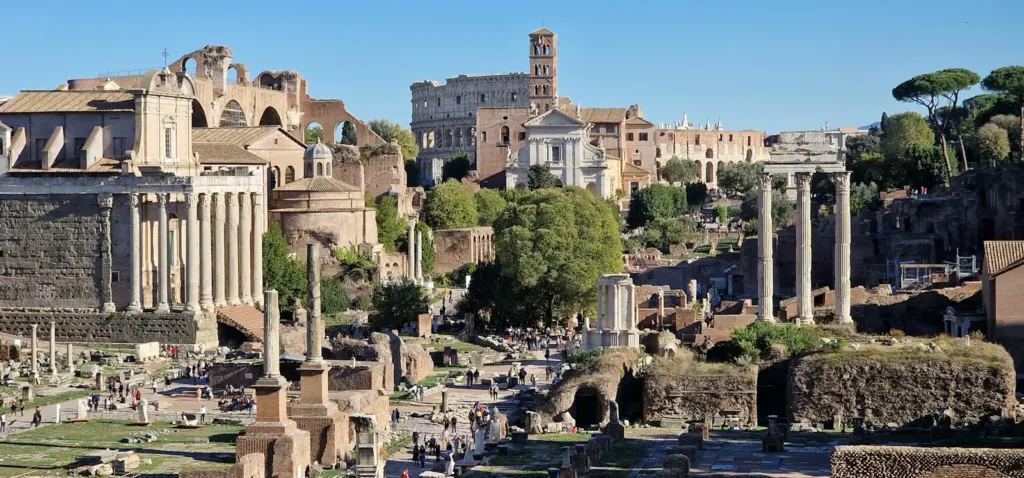
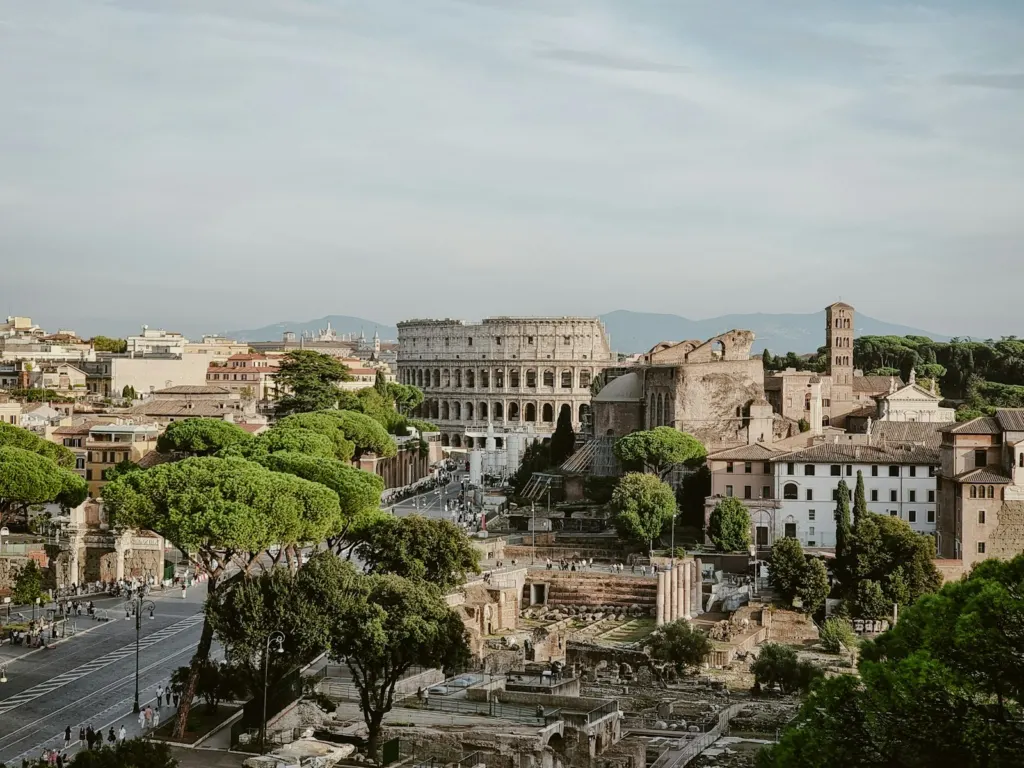
The Roman Forum was the political, religious and commercial centre of ancient Rome, and the Palatine Hill above it was where Rome’s emperors built their palaces. Together they form one archaeological park beside the Colosseum. The ruins are fragmentary and easy to misread, so a little background makes the visit far more rewarding. Yes, it is worth visiting, particularly if you spend the time to understand what you are looking at.
Tickets are bundled with the Colosseum, so book through the Colosseum hub; this page explains what you are going to see.
For anyone interested in ancient Rome, yes. It is the place where Roman politics, law and religion were conducted, and where triumphal processions ended. What remains are columns, foundations, arches and a few well-preserved buildings, set among pines and cypresses. If you prefer finished buildings, the Pantheon and Colosseum are more complete; if you want to feel the scale of the republic and empire, this is where it happened. Many visitors find it works best with a guide or audio guide, because there is little signage.
The Forum began as a marshy valley between the Capitoline and Palatine hills, drained by the Cloaca Maxima, which Romans traced to the early kings. By the Republic it was crowded with temples, law courts (basilicas), the Senate House and speakers’ platforms. Julius Caesar and Augustus rebuilt and expanded it, and later emperors added arches and new basilicas. After the empire declined, the area was gradually buried and became pasture; it was known as the Campo Vaccino (“cow field”) until excavations from the nineteenth century uncovered it.
The Palatine, according to tradition, is where Romulus founded Rome. Wealthy Republic-era Romans built houses there, Augustus lived there, and later emperors built enormous palaces. The English word “palace” comes from the hill’s name.
Yes. According to the Parco archeologico del Colosseo, the standard ticket covers the Colosseum, the Roman Forum and the Palatine Hill within a stated validity window, and each site is entered once. Some special areas need extra tickets or timed access. Is the Forum free? Not normally. Free-entry days exist under national rules, but are very crowded; see free Sundays in Rome. Check current details on the official site, because ticket names and rules change.
Our visit-without-the-stress guide gives an order that fits with the Colosseum.
Allow at least two hours; three if you explore the Palatine properly. Last entry is well before closing, so go earlier than you think.
For most visitors, yes. Signage is limited, many ruins look similar and the best stories are in the details. A guided walk, such as the Roman Forum and Palatine Hill guided walk, helps. An audio guide or a good map is the budget alternative. For the broader question see are guided tours in Rome worth it?
Early morning is best for light and temperature. In summer the site has little shade, so avoid midday and bring water; there are drinking fountains. See how to handle Rome in summer heat.
Metro Line B to Colosseo, then walk about five minutes. Entrances are near the Arch of Titus and on Via dei Fori Imperiali side. It is also walkable from Piazza Venezia and the Capitoline Museums. Wear flat, sturdy shoes: the ground is uneven.
The Colosseum is next door. For the story of the arena before you go in, read our Colosseum history guide.
Yes, if you are interested in ancient Rome. It is the civic centre of the empire, with arches, temples and the Senate House. The ruins are fragmentary, so a guide, audio guide or map adds a lot.
Yes. The standard Colosseum ticket covers the Roman Forum and Palatine Hill within a validity window. Special areas may need a separate ticket. Check the Parco archeologico del Colosseo website for current rules.
At least two hours, and about three if you explore the Palatine properly. Add time in summer for shade breaks, and remember that last entry is well before closing.
Not normally. It is ticketed, usually as part of the combined Colosseum ticket. Free-entry days exist under national rules but are very busy. Check the official site for current details.
For most people, yes. The site has little signage, and a guide turns piles of stone into a story. An audio guide is a lower-cost alternative.
First thing in the morning, or the last hours before closing. Midday in summer is hot and exposed. Spring and autumn are the most comfortable seasons.
Related tours, guides and places.
Unusual things to do in Rome mostly change how you travel or where you go: a scooter, an…
The best walking tour in Rome depends on the theme you want: ancient ruins, food and history, a…
A small-group tour in Rome keeps numbers low enough to hear the guide and move through crowded sites….
Rome is easier on a budget than most capitals: many of its best sights are free. Spend on…
Rome works well with children if you plan in short bursts. Pair one big sight with a game,…